 bluename
How to Keep Nepenthes Leaves Shiny: A Complete Care Guide for Vibrant Pitcher Plants
There's nothing quite like the dazzling sheen of a healthy Nepenthes. That glossy, almost lacquered finish on the leaves is more than just eye candy; it's a direct billboard for the plant's health and your skill as a grower. For American plant lovers, achieving and maintaining that signature shine can feel like an elusive goal. You provide the right soil, water diligently, and yet, the leaves develop a dull, lackluster appearance, or worse, unsightly spots and blemishes. This frustration is common, but the solution lies in understanding that leaf shine isn't a single step—it's the ultimate result of a holistic care routine. This guide will walk you through the exact environmental factors and maintenance practices that unlock the secret to perpetually glossy, vibrant Nepenthes leaves.
Understanding the "Why" Behind the Shine
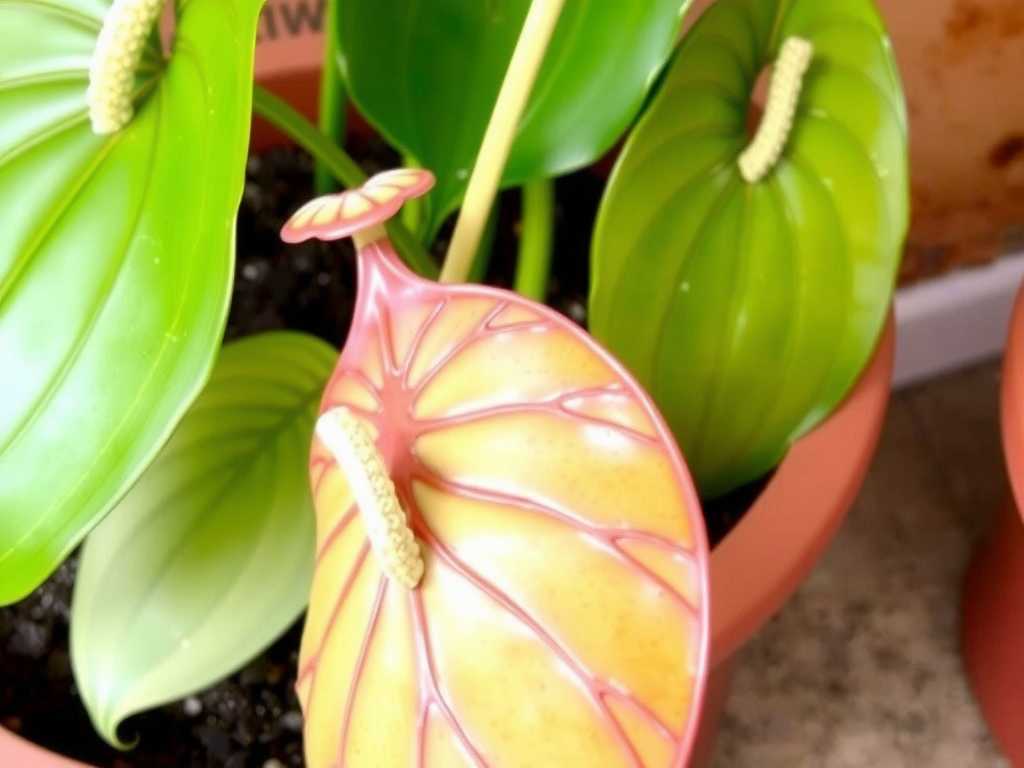
Before we dive into the how, let's understand the what. That glossy surface on a Nepenthes leaf is primarily due to a well-developed cuticle—a waxy, protective layer secreted by the plant. A robust cuticle does three critical things: it minimizes water loss (crucial for these humidity-loving plants), shields against certain pests and fungal spores, and yes, creates that beautiful reflective surface. When we talk about keeping Nepenthes leaves shiny, we are essentially talking about supporting the plant's ability to maintain this perfect, protective coat.
The Four Pillars of a Glossy Nepenthes: Light, Water, Humidity, and Nutrition
You cannot polish a Nepenthes to shine. The gloss comes from within, fostered by its environment. Think of these four factors as the non-negotiable foundation.
Optimal Lighting for Leaf Luster Light is the engine of photosynthesis and cuticle production. However, the type and intensity matter immensely.
- Bright, Indirect Light is King: Most popular Nepenthes hybrids thrive in very bright, filtered light. An east or south-facing window (with a sheer curtain) is often ideal. Direct, harsh afternoon sun, especially in hotter climates, can scorch leaves, causing permanent dull, brown patches.
- Signs of Good Light: Under perfect light, new leaves emerge with a healthy color and develop their shine as they harden off. The plant will also produce pitchers more reliably.
- Supplemental Lighting: For many indoor growers across the US, using full-spectrum LED grow lights is the most reliable method to provide consistent, intense indirect light. Experts like those at the International Carnivorous Plant Society (ICPS) often recommend LEDs for their efficiency and low heat output, which is perfect for maintaining leaf quality.
Water Quality: The Invisible Make-or-Break Factor This is arguably the most common pitfall for American growers. Nepenthes are extremely sensitive to dissolved minerals found in most tap water.
- The Mineral Menace: Minerals like calcium, magnesium, and chlorine can accumulate in the soil and on the leaf surface, clogging pores and creating a dull, white crust. This directly inhibits the leaf's natural shine and function.
- Safe Water Sources: Always use water with a low mineral content. The gold standards are:
- Rainwater or distilled water.
- Reverse Osmosis (RO) water.
- Water produced by a high-quality zero-water filter.
- Watering Technique: Water thoroughly until it runs freely from the drainage holes, then allow the growing medium to become slightly damp (not bone dry) before watering again. Consistent moisture without sogginess supports overall turgor and leaf health.
Humidity and Airflow: The Balancing Act Nepenthes are tropical plants that evolved in humid environments, but they also require fresh air.
- Humidity for Hydration: Moderate to high humidity (50-70% for most hybrids) helps the plant retain moisture, reducing stress and allowing it to invest energy in healthy leaf growth rather than mere survival. Low humidity can lead to shriveled pitcher tips and dull, stressed leaves.
- Airflow for Health: Stagnant, humid air is a breeding ground for fungal and bacterial issues that mar leaf surfaces. Gentle air circulation from a small, oscillating fan prevents this, strengthens stems, and promotes a robust cuticle. It’s the combination of humidity and airflow that creates the perfect environment for shiny pitcher plant leaves.
Strategic Feeding for Strength While they get nutrients from their traps, foliar feeding or a very dilute fertilizer applied to the soil can boost growth. A stronger plant grows shinier leaves.
- Less is More: Use a specialized orchid or epiphytic fertilizer at 1/4 strength or less, and only during the active growing season (spring-summer).
- The Natural Alternative: Allowing the plant to catch its own prey is often the safest and most balanced feeding method, contributing to overall vitality and that sought-after glossy appearance.
Maintenance Practices for Pristine Leaves
With the environment dialed in, a few simple maintenance habits will keep those leaves looking their best.
The Art of Safe Leaf Cleaning Dust is a shine-killer. It blocks light and can irritate the leaf surface.
- Method: Use a soft, damp cloth or a fine mist of your purified water. Gently wipe the leaf from base to tip, supporting it from underneath with your other hand.
- What to Avoid: Never use leaf shine products, oils, milk, or vinegar. These will clog the stomata (pores) and damage the delicate cuticle you're trying to preserve. The goal is to reveal the plant's natural shine, not coat it with an artificial one.
Pruning for Perfection and Health Sometimes, the best way to care for the whole plant is to remove a part.
- Remove Old Growth: As leaves naturally age, they will yellow and brown. Pruning these away with sterile scissors directs energy to new, shiny growth.
- Address Damage: If a leaf is severely scarred, discolored, or damaged, removing it improves the plant's appearance and health, preventing potential points of infection.
Troubleshooting Common Issues That Dull Your Plant
Even with great care, issues can arise. Here’s how to diagnose and fix them.
Dealing with Mineral Deposits and Water Spots If you see a white, chalky film on the leaves or pot, it's likely mineral buildup.
- Solution: Carefully wipe leaves with a cloth dampened with distilled water. For severe buildup, you may need to flush the pot thoroughly with distilled or RO water to leach minerals from the soil. Switching your water source is the permanent fix.
Managing Sunburn and Physical Damage Brown, crispy patches on the areas most exposed to light indicate sunburn. Physical tears or bruises also turn brown and dull.
- Solution: Relocate the plant to a spot with gentler light. Trim away severely burned leaves. Prevent physical damage by placing your Nepenthes in a low-traffic area.
Preventing and Treating Pest Infestations Sap-sucking pests like spider mites, mealybugs, and scale can drain the plant and leave behind honeydew, which leads to sooty mold—a surefire shine destroyer.
- Early Intervention: Regularly inspect the undersides of leaves. At first sign, isolate the plant.
- Treatment: Physically remove pests with a cotton swab dipped in isopropyl alcohol (70%). For larger infestations, use a insecticidal soap or neem oil solution, but test on a small area first and apply in low-light conditions to prevent leaf burn.
Why are the new leaves on my Nepenthes not shiny when they unfurl? New leaves often emerge with a softer, matte texture. The cuticle develops and hardens as the leaf matures. Ensure your plant is receiving consistent, bright indirect light and high humidity, as these are the key factors that signal the plant to develop a proper, protective glossy coating. Patience is key; give the leaf a week or two to fully harden off.
Can I use olive oil or mayonnaise to make my Nepenthes leaves shiny? Absolutely not. This is one of the most harmful pieces of advice for any plant, especially Nepenthes. Oils and food products will clog the leaf's stomata (its breathing pores), attract dust and pests, and promote fungal and bacterial growth. They will suffocate the leaf and cause permanent damage. The only safe cleaner is purified water on a soft cloth.
My plant's leaves are green and healthy but just not very glossy. What am I missing? This typically points to a subtle environmental factor. First, double-check your light source. It might be sufficient for growth but not intense enough to trigger robust cuticle development. Consider moving it to a brighter location or adding a gentle grow light. Second, reassess your water quality; even slightly hard water can slowly degrade the leaf's surface over time. Finally, ensure there is gentle air circulation, as this strengthens leaf tissues.
Achieving that captivating, glossy sheen on your Nepenthes is a clear indicator you've mastered its core needs. It’s a testament to providing the right balance of intense yet indirect light, pure water, balanced humidity with airflow, and gentle, informed care. Remember, shine is a symptom of health, not an isolated feature. By focusing on creating the ideal environment and avoiding common pitfalls like mineral-laden water or harsh chemicals, you’ll find your pitcher plant not only surviving but thriving, with each new leaf emerging as a vibrant, glossy testament to your skillful care. The journey is rewarding, and the result—a dazzling, healthy Nepenthes—is truly a sight to behold.





