 bluename
How to Care for Nepenthes in US Outdoor Beds: Your Ultimate Summer Care Guide
You’ve invested in the captivating beauty of pitcher plants, envisioning a lush, otherworldly display in your garden. But as the American summer sun climbs higher, you watch with growing anxiety. Your Nepenthes’ pitchers are drying up, new growth seems stunted, and the vibrant green is fading. The dream of a thriving outdoor carnivorous collection is wilting under the heat. This frustration is common, but entirely preventable. Successfully growing Nepenthes outdoors in summer isn’t about luck—it’s about understanding their unique needs and adapting your care to the season’s extremes. This guide will transform your approach, providing clear, actionable steps to ensure your pitcher plants not only survive but flourish in your summer garden beds.
Understanding Your Nepenthes: More Than Just a Plant
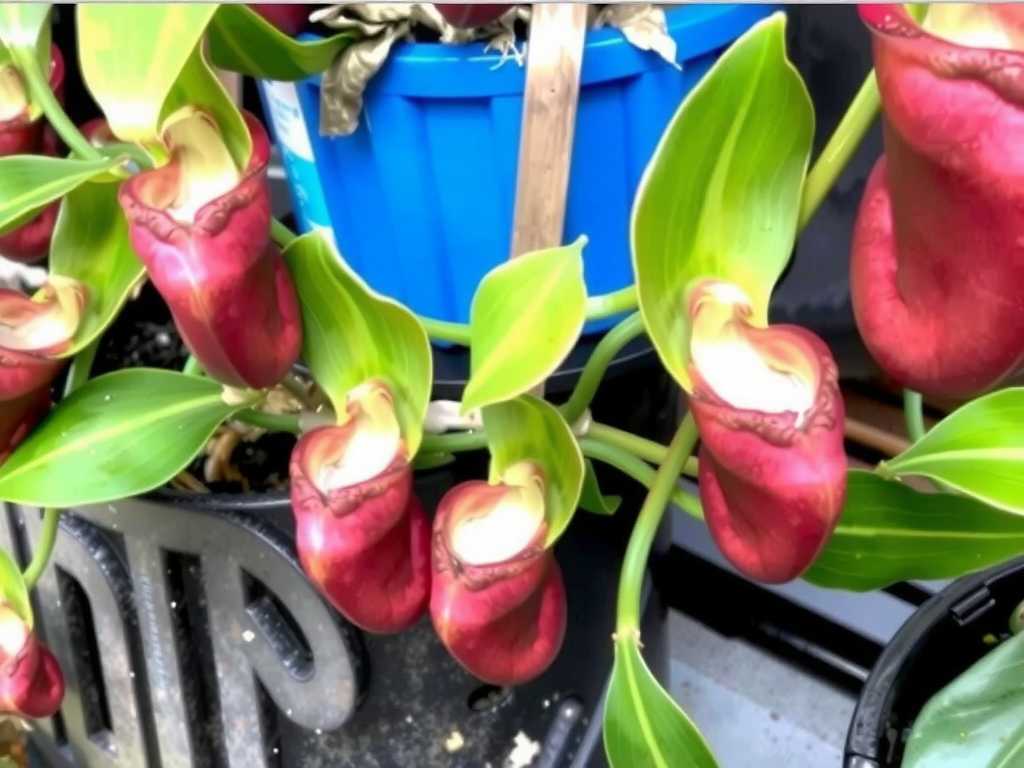
Nepenthes, or tropical pitcher plants, are not your typical garden perennials. Hailing from the humid, high-light environments of Southeast Asia, they have evolved specific mechanisms to thrive. Their iconic pitchers are modified leaves designed to trap insects, supplementing nutrients found in their naturally poor soil. When we place them in US outdoor beds, we must recreate key aspects of their native habitat, especially during the stressful summer months. The primary challenge lies in managing four critical factors: light intensity, temperature, humidity, and watering. Getting this balance wrong is the root of most summer failures, but with informed care, these plants can become stunning garden centerpieces.
Mastering Summer Light and Temperature Control
The intensity and duration of summer sunlight present the first major hurdle. While most lowland Nepenthes species and many robust hybrids appreciate bright light, the direct, midday sun in much of the US can scorch leaves and overheat the root zone.
- The Ideal Light Scenario: Aim for a site with dappled sunlight or morning sun with afternoon shade. A spot under a high-canopy tree that filters light is perfect. For open beds, consider using a 30-50% shade cloth. This protects the plants from scorching while providing the high light levels they crave.
- Managing Heat Stress: Nepenthes prefer a significant day-night temperature drop. Consistently high nighttime temperatures can halt pitcher production. Ensure your planting site has good air circulation to help moderate heat. Mulching, which we’ll discuss next, is also crucial for keeping roots cool. If you’re growing highland Nepenthes varieties outdoors, summer heat is particularly challenging, and they may require a shadier, cooler microclimate or even seasonal relocation to a protected area.
The Critical Role of Soil, Mulch, and Moisture
This is arguably the most important aspect of summer care for Nepenthes. The goal is to keep the root system consistently moist but never waterlogged, and, crucially, cool.
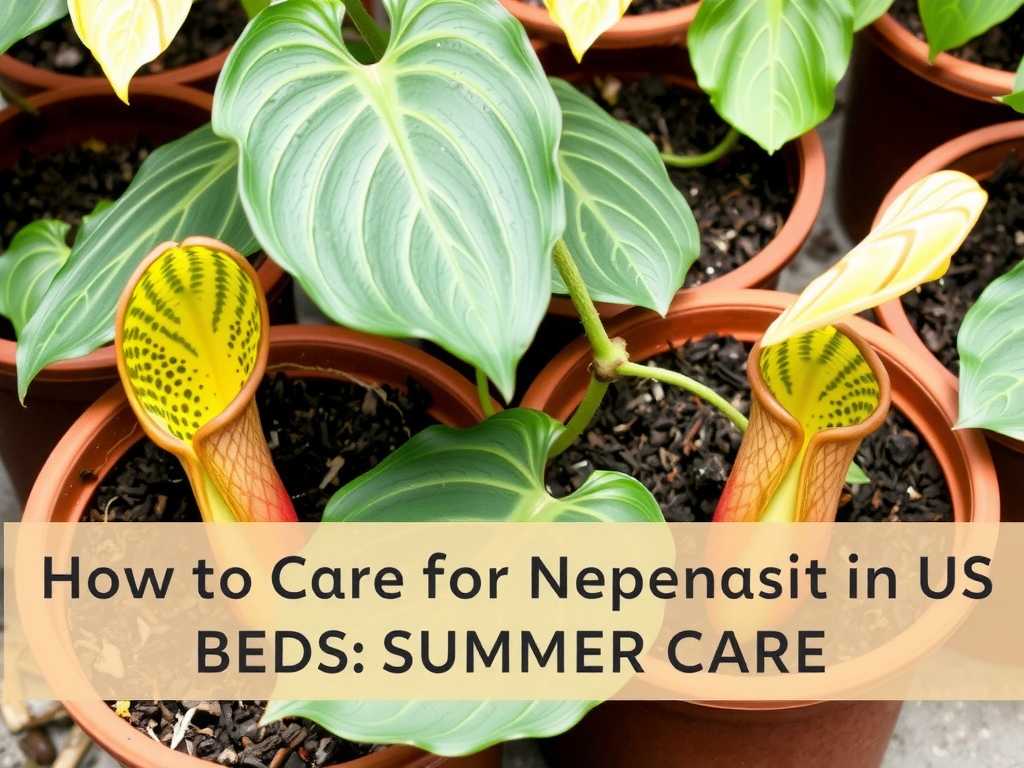
- The Perfect Outdoor Mix: Forget standard garden soil or compost—they will suffocate and kill your plants. A well-draining, acidic, and low-nutrient medium is essential. A proven mix for outdoor beds is a combination of long-fiber sphagnum moss, perlite, and orchid bark (like fir bark). This provides aeration, moisture retention, and excellent drainage.
- Mulching for Moisture and Cool Roots: Applying a top dressing of live or dried sphagnum moss over your soil surface is a game-changer. This layer acts as a superb mulch, dramatically reducing evaporation, keeping the root zone cool, and boosting local humidity. Replenish it as needed throughout the season.
- Smart Watering Practices: Water deeply and thoroughly when the top inch of the medium feels slightly damp. In peak summer, this may be daily. Always use low-mineral water—rainwater, distilled water, or reverse osmosis water are best. Tap water, with its dissolved salts, will slowly poison your plants. Water early in the morning to allow foliage to dry and to provide moisture before the day’s heat.
Optimizing Humidity and Providing Summer Nutrition
While often overstated for hardier hybrids, humidity still plays a key role in pitcher formation and overall plant health during hot, dry spells.
- Natural Humidity Boosts: Grouping your Nepenthes with other moisture-loving plants creates a beneficial microclimate. Placing the bed near a garden pond or water feature can also help. The sphagnum moss mulch mentioned earlier is your primary tool for maintaining root-zone humidity.
- Feeding Your Outdoor Pitcher Plants: In a garden setting, your Nepenthes will catch some insects on their own. However, you can assist. If pitchers seem empty, you can occasionally drop a small, dead insect (like a fly or ant) into an existing pitcher every few weeks. Never use fertilizer in the soil. A highly diluted, foliar orchid fertilizer applied sparingly to the leaves (not in the pitchers) once a month during peak growth can be beneficial, but err on the side of underfeeding. As expert grower and author of The Nepenthes Guide, Marcus Jones, notes: "Outdoor Nepenthes are more resilient feeders than we think. The summer insect boom often provides ample nutrition; our main job is to ensure they are hydrated and cool enough to digest it."
Seasonal Monitoring and Pest Vigilance
Regular observation is your best defense. Check leaves for signs of sunburn (reddish or bleached patches) and adjust shading accordingly. Monitor soil moisture closely. Summer also invites pests like aphids or scale. A strong jet of water can dislodge them, or you can use a horticultural oil or insecticidal soap spray, applied in the cooler evening hours. Always test on a small area first.
Preparing for the Transition to Fall
As summer wanes, your care will shift. Reduce watering frequency as temperatures drop and growth slows. Begin to assess if your outdoor bed is suitable for winter in your USDA zone. For many in the US, this is when Nepenthes must be brought indoors to a bright, humid space like a greenhouse or sunny window.
Frequently Asked Questions
Can I use my garden hose to water Nepenthes? It is strongly discouraged. Most municipal tap water contains minerals (like chlorine, fluoride, and salts) that accumulate in the soil and are toxic to Nepenthes. This buildup is a slow killer. Investing in a rainwater barrel or using distilled water is non-negotiable for long-term health.
My plant is growing lots of leaves but no new pitchers in summer. What’s wrong? This is typically a sign of insufficient humidity or light. While the plant has enough energy for leaf growth, the environmental cues for pitcher development aren’t met. Ensure it’s getting bright, indirect light and try boosting local humidity with sphagnum mulch and plant grouping. Also, check that nighttime temperatures are not excessively high.
Do I need to feed every pitcher on my plant? No, absolutely not. Each pitcher is an independent digestive organ. Feeding one or two pitchers per plant every 3-4 weeks during active summer growth is more than sufficient. Overfeeding can cause pitchers to rot prematurely. Think of it as supplementing their natural diet.
Success with Nepenthes in the summer garden comes down to mindful mimicry of their natural conditions. By prioritizing a cool root zone with the right soil and mulch, providing filtered light, watering correctly, and maintaining ambient humidity, you create a sanctuary where these extraordinary plants can thrive. The reward is a summer-long display of vigorous growth and spectacular, insect-trapping pitchers that are sure to be the most fascinating feature of your outdoor space. Start by assessing your light and mulch today—your Nepenthes will thank you.





