 bluename
How to Adjust Humidity for Nepenthes in US Western Dry Air: A Complete Survival Guide
If you're a Nepenthes (tropical pitcher plant) enthusiast living in the arid western United States, you know the struggle is real. The joy of seeing a new pitcher form can quickly turn to frustration as it browns and dies before opening. Your home's humidity might be a comfortable 30% for you, but for these rainforest natives, that's a desert-like crisis. Low humidity is the single biggest challenge to growing healthy, pitchering Nepenthes in states like Arizona, Nevada, Utah, Colorado, and parts of California. Without adequate atmospheric moisture, these plants simply cannot produce their iconic traps. This guide is dedicated to solving that exact problem. We will provide practical, effective strategies to adjust humidity for Nepenthes and create a microclimate where they can not just survive, but truly thrive in dry western air.
Understanding the Humidity Needs of Nepenthes
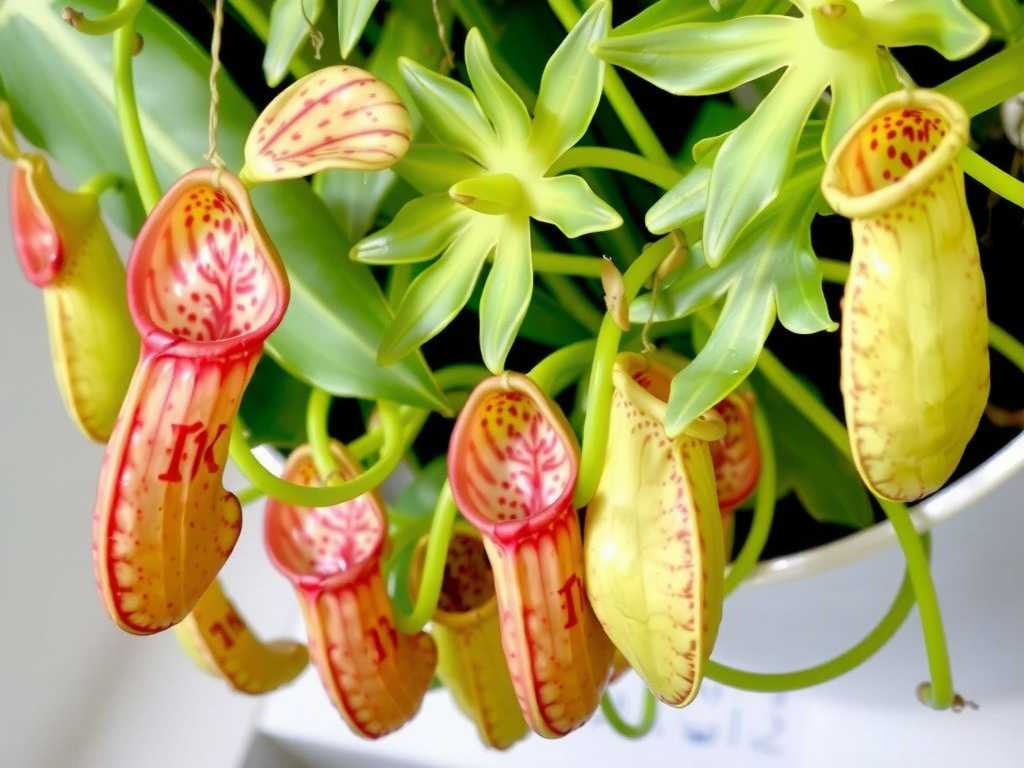
Not all Nepenthes are created equal. Their humidity requirements are closely tied to their native altitudes. Highland species, from cooler mountain forests, often tolerate slightly lower humidity (around 60-75%) if nights are cool. Lowland species, from steamy jungles, demand consistently high humidity, often 70-90%. However, in the bone-dry air of the West, even highland species will suffer and cease pitchering without intervention. Humidity is crucial because the peristome (the slippery, colorful rim of the pitcher) needs high moisture to develop properly and secrete nectar. In dry air, the developing pitcher bud loses moisture faster than the plant can supply it, leading to "abortion."
Expert grower and author of The Nepenthes Guide, Marcus Fisher, notes: "A Nepenthes can be perfectly healthy in low humidity—green leaves, good growth. But without that humid air, the pitcher trigger is never pulled. It's like having an athlete breathe thin air; they can walk, but they can't run."
Effective Methods to Increase Humidity for Your Pitcher Plants
You don't need to turn your entire home into a sauna. The goal is to create a localized humid environment around your plants. Here are the most effective tactics, from simple to more involved.
The Enclosure Method: Terrariums, Cabinets, and Grow Tents
This is the most reliable way to maintain high humidity for tropical plants in dry climates. An enclosure physically contains moisture, allowing you to control the environment precisely.
- Glass Terrariums/Vivariums: Excellent for smaller collections or specimen plants. They provide a clear view and can be beautifully landscaped. Use fans for air circulation to prevent mold.
- Indoor Greenhouse Cabinets: A popular and scalable solution. Using a wire shelving unit enclosed with clear plastic sheeting or acrylic panels creates a customizable "humidity hut." Equip with humidifiers, fans, and grow lights.
- Grow Tents: Designed for indoor horticulture, these are perfect for serious collectors. They are reflective, light-proof, and have ports for humidifiers, exhaust fans, and cords. They offer the highest level of environmental control.
Using Humidifiers: The Direct Approach
A humidifier is often the go-to tool. For best results, use it in conjunction with an enclosure.
- Ultrasonic Cool Mist Humidifiers: These are common and effective. Use distilled or reverse osmosis water to prevent mineral dust from coating your plants and leaves.
- Placement is Key: Never point the mist directly at the plants, as this can encourage leaf spot. Instead, let it fog up the enclosed space gently. A hygrometer is essential to monitor levels and avoid over-saturation (consistently above 90%), which can be detrimental.
The Humidity Tray: A Simple Boost
While insufficient on its own for the driest areas, a humidity tray is a helpful supplemental tactic. Fill a shallow waterproof tray with pebbles or LECA clay balls, add water to just below the top of the pebbles, and place your potted plant on top. As the water evaporates, it increases humidity immediately around the plant. This method might raise humidity by 5-15%, which can be the difference between a pitcher aborting or developing in a borderline environment.
Grouping Plants and Strategic Placement
Cluster your Nepenthes with other humidity-loving plants (like ferns, orchids, or mosses). This creates a communal transpiration zone where each plant contributes to the ambient moisture. Also, place your plants in naturally more humid rooms, such as bathrooms with good light (often from a skylight or window) or kitchens. Just ensure they still receive adequate light.
Optimizing the Entire Environment for Success
Humidity doesn't work in isolation. To successfully grow Nepenthes in arid climates, you must manage the other environmental factors that interact with moisture.
Light and Humidity: The Balancing Act
Nepenthes need bright, indirect light. In the West, southern or eastern windows are ideal. However, intense direct sun, especially through a hot window, can raise leaf temperature and increase transpiration (water loss), effectively counteracting your humidity efforts. If using powerful grow lights inside an enclosure, the added heat can also dry the air. The solution is to ensure your humidification system can keep pace, and to use fans to distribute the humid air evenly and cool the leaves slightly.
Watering Practices in Low-Humidity Conditions
Even with perfect air moisture, your watering routine is critical. Nepenthes prefer consistently moist but never waterlogged soil. In dry air, the potting media may dry out faster from the surface. Always water with pure water—rainwater, distilled, or reverse osmosis—as mineral buildup from tap water is a major killer. Water thoroughly until it drains from the pot, and let the top inch of the medium approach dryness before watering again. A moisture meter can prevent guesswork.
Air Circulation: The Non-Negotiable Partner to High Humidity
Stagnant, humid air is a recipe for fungal and bacterial diseases. Gentle air movement is essential to strengthen plant tissues, prevent mold on soil and leaves, and ensure gas exchange. Use small, oscillating fans or computer fans in your setup. The air should be moving enough to gently rustle the leaves. This mimics the natural breezes of their habitat and allows you to maintain high humidity safely.
Choosing the Right Nepenthes for Western Dry Air
While you can adapt the environment for any species, some Nepenthes are famously more adaptable to lower-humidity conditions. Starting with these can boost your confidence and success rate.
- Nepenthes x ventrata (N. ventricosa x alata): The undisputed champion of beginner and low-humidity adaptability. It pitchers reliably in windowsill conditions with 50%+ humidity.
- Nepenthes ventricosa: A highland species with charming, rounded pitchers. It is very tolerant of intermediate conditions.
- Nepenthes maxima and its hybrids: Known for vigor and adaptability, many hybrids with maxima in their lineage perform well.
- Nepenthes sanguinea: A robust highlander that can acclimate to less humid environments over time.
Hybrids (especially those involving the species above) are often your best bet, as they tend to inherit hybrid vigor and greater environmental tolerance from their parents.
Troubleshooting Common Humidity-Related Problems
- Brown, Crispy Pitcher Tips: The classic sign of air that is too dry during pitcher development. Increase humidity immediately, especially around new buds.
- No Pitchers Forming: The plant is healthy but not triggering pitcher production. The most likely culprits are insufficient light, humidity that is too low, or both. Address both parameters.
- Mold or Fungus on Soil/Leaves: Indicates high humidity but poor air circulation. Increase fan speed or add another fan. Ensure the plant is not sitting in soggy media.
Frequently Asked Questions
Can I mist my Nepenthes to raise humidity? While misting provides temporary relief, it is largely ineffective for raising ambient humidity and can promote leaf diseases if water sits in the crowns. It is not a substitute for the consistent humidity provided by an enclosure or humidifier.
What is the best humidifier for a Nepenthes grow tent? A cool-mist ultrasonic humidifier with a built-in humidistat (or paired with an external hygrometer/controller) is ideal. Look for one with a large tank to minimize daily refills. For larger tents, a "reptile fogger" with tubing can distribute moisture very effectively.
My humidity readings are high, but my pitchers still dry up. Why? Check the accuracy of your hygrometer; cheap analog models are often wrong. Calibrate it. Also, ensure the plant isn't in a hot spot (like direct sun or near a heat vent). High heat + high humidity causes excessive transpiration, and the plant can't move water to the pitcher fast enough. Improve air circulation to cool the leaf surface.
Successfully growing spectacular Nepenthes in the dry western U.S. is entirely achievable. It requires a shift in thinking—from caring for a single potted plant to managing a miniature, controlled ecosystem. By focusing on creating a stable, humid microclimate through enclosures, targeted humidification, and balanced air flow, you transform the challenge into a rewarding hobby. Start with a resilient hybrid, implement even one or two of the humidity-boosting strategies, and you'll be on your way to witnessing the incredible sight of a perfectly formed pitcher opening in your own home, a vibrant testament to your skill in replicating a slice of the tropics.





