 bluename
How to Care for Nepenthes for US Spring Blooming Success
You've nurtured your Nepenthes through the winter, and now spring is here—the prime season for explosive growth and spectacular pitcher production. Yet, instead of vibrant new traps, you see stalled growth, browning leaves, or worse, no pitchers at all. This frustrating scenario is common, but entirely avoidable. Achieving a successful Nepenthes bloom and vigorous spring growth hinges on understanding and replicating their specific seasonal needs. This guide will walk you through the essential steps to ensure your tropical pitcher plants not only survive but truly thrive this spring.
Understanding the Spring Shift for Nepenthes
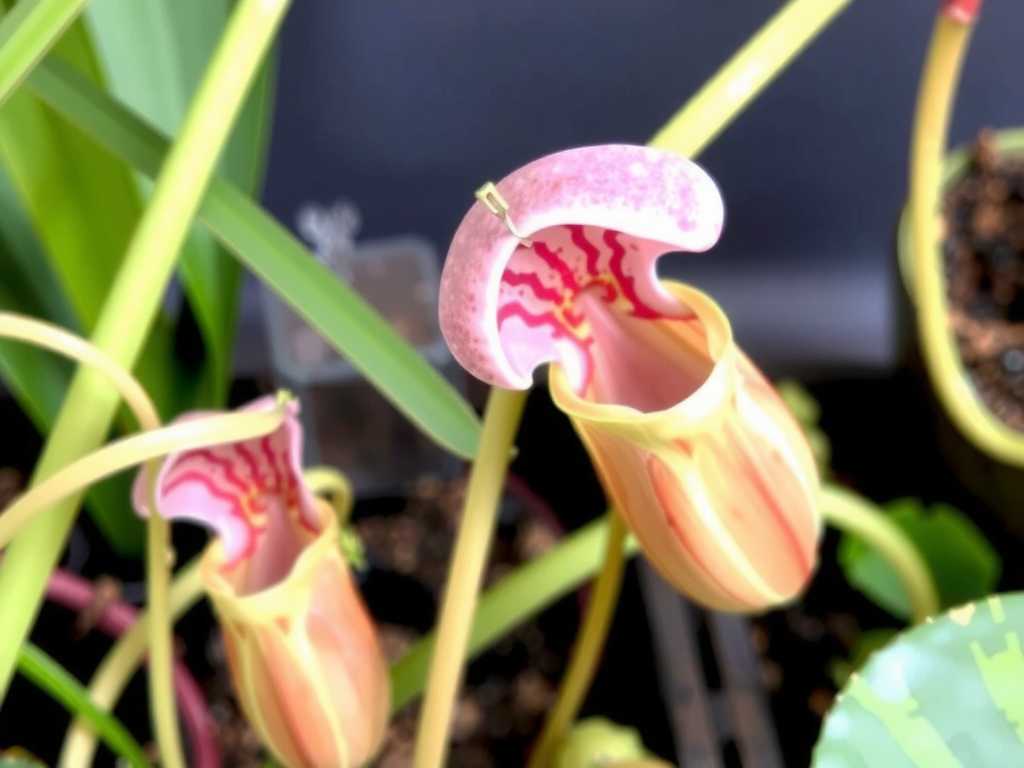
Spring in the United States brings longer days, increased light intensity, and generally rising temperatures. For your Nepenthes, this signals a shift from a slower winter metabolism to a period of rapid growth. Successfully caring for Nepenthes in spring means proactively adjusting their environment to support this natural surge. It's not just about more water or fertilizer; it's a synchronized dance of light, humidity, temperature, and nutrition.
Essential Spring Care Adjustments for Healthy Pitchers
Light: Fueling Photosynthesis and Pitcher Initiation
As daylight hours increase, so should your plant's access to bright, indirect light. Nepenthes need ample light to produce pitchers. Insufficient light is a primary reason for pitcherless plants.
- Optimal Placement: An east or south-facing window (with a sheer curtain for harsh afternoon sun) is ideal. For growers in northern states, a full southern exposure may be necessary.
- Supplementing with Grow Lights: If natural light is weak, supplement with full-spectrum LED grow lights. Aim for 12-14 hours of light per day. According to horticultural studies on carnivorous plants, light quality directly influences the size and coloration of pitcher traps.
- Acclimation is Key: Avoid suddenly moving a plant from low winter light to intense direct spring sun, which can cause severe leaf scorch. Gradually increase exposure over 1-2 weeks.
Water and Humidity: Mimicking the Tropical Dew Point
Spring growth demands consistent moisture, but "wet feet" remain a death sentence. The goal is consistently damp, well-aerated substrate.
- Watering Technique: Water thoroughly with distilled, rainwater, or reverse osmosis water when the top inch of the medium feels slightly dry. Ensure the pot drains completely. Never let the plant sit in a saucer of water.
- Humidity Management: While many intermediate Nepenthes adapt to household humidity (around 40-50%), spring pitcher development is boosted by levels above 60%. Use a humidifier, a pebble tray filled with water, or group plants together to create a microclimate. Expert grower and author of The Savage Garden, Peter D'Amato, often notes that a sudden drop in humidity is a common culprit for pitcher tips dying before they fully form.
Temperature: Encouraging Vigorous Growth
Most popular Nepenthes hybrids thrive in intermediate temperatures. Spring's natural warming trend is perfect, but be mindful of fluctuations.
- Day/Night Cycle: Aim for daytime temperatures between 75-85°F (24-29°C) and cooler nights around 60-70°F (15-21°C). This drop mimics their highland habitat and can stimulate growth.
- Avoiding Cold Drafts and Heat Blasts: Keep plants away from drafty windows at night and from direct blasts of hot, dry air from heating vents, which are still in use during early spring in many regions.
Feeding and Fertilization: Supporting Demanding Growth
While Nepenthes catch insects, a controlled feeding strategy in spring supercharges their development. Proper Nepenthes feeding in spring is about precision, not power.
- The "Less is More" Rule: Use a diluted, foliar-friendly orchid or epiphytic fertilizer at 1/4 to 1/2 the recommended strength.
- Application Method: Mist the solution lightly onto the leaves and developing pitchers every 3-4 weeks during active growth. Never pour fertilizer into the soil. Over-fertilization will burn roots and kill the plant.
- Natural Alternatives: If you prefer, you can gently drop a single, small, dead insect (like a dried bloodworm or fruit fly) into an existing pitcher every few weeks. This provides a slow-release nutrient source.
Repotting and Media: Refreshing the Foundation
Spring is the absolute best time for repotting Nepenthes, as the plant can quickly recover and establish new roots in its growing season.
- When to Repot: Repot every 1-2 years, or when the medium breaks down and becomes soggy, or the plant outgrows its pot.
- The Perfect Mix: Use an airy, soilless blend. A standard recipe is a 50:50 mix of long-fiber sphagnum moss and orchid bark (or perlite/chunky coco chips). This ensures perfect drainage and aeration.
- Pot Choice: Always use pots with ample drainage holes. Plastic or net pots are preferable to clay, which wicks moisture and salts away from the roots.
Troubleshooting Common Spring Issues
- No Pitcher Formation: The most common complaint. Re-evaluate light (needs more), humidity (may be too low), and watering (must be consistent with pure water).
- Brown Leaf Tips or Pitcher Death: Often indicates low humidity, mineral buildup from tap water, or underwatering.
- Leggy, Weak Growth: A clear sign of insufficient light. The plant is stretching to find a brighter spot.
- Pests (Aphids, Mealybugs): Spring growth attracts sap-sucking insects. Treat immediately with a diluted insecticidal soap spray, ensuring it's safe for delicate pitcher plants.
How often should I water my Nepenthes in spring? Watering frequency depends on your environment, but as a rule, water when the top layer of the planting medium begins to feel just slightly dry to the touch. This could be every 3-5 days in a warm, bright room. Always use low-mineral water and ensure perfect drainage.
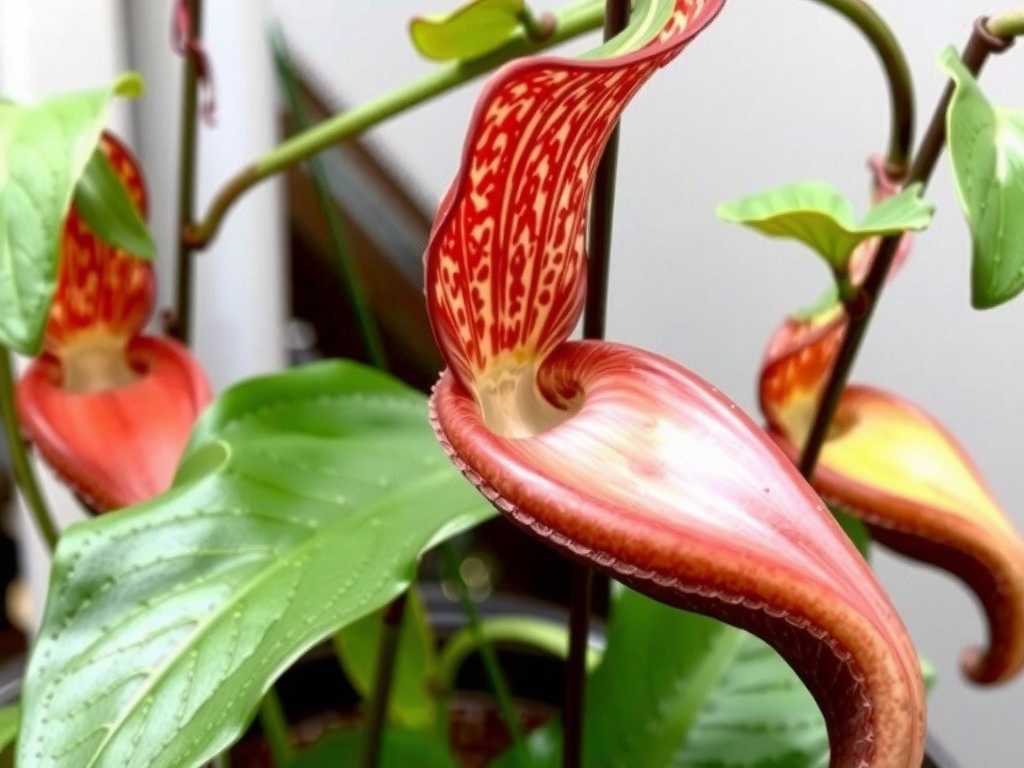
Can I put my indoor Nepenthes outside for the spring? Yes, this can be highly beneficial once nighttime temperatures are consistently above 50°F (10°C). Choose a shaded, sheltered spot (like under a tree or porch) to acclimate them. Outdoor placement often results in incredible color and growth due to natural light and humidity. Remember to check for pests more frequently.
My Nepenthes has a long vine but no pitchers. What should I do? This is typically a "high light, low humidity" issue. The vine is growing, but the plant lacks the humid conditions it needs to invest energy in forming pitchers. Increase local humidity around the growing tip, ensure it's getting bright indirect light, and consider providing a sturdy support like a moss pole for the vine to climb.
Spring is a season of renewal and remarkable potential for your Nepenthes. By thoughtfully adjusting light, moisture, and nutrition to align with the season's energy, you transition from basic maintenance to active cultivation. The reward is a plant that responds with vigorous vines, larger leaves, and an abundance of those fascinating, intricate pitchers. Paying close attention to your plant's signals—whether it's a new tendril or a slight change in leaf color—is the final, most important step. With these focused practices, you're not just waiting for growth; you're actively creating the conditions for a spectacular display of health and carnivorous beauty.





