 bluename
How to Care for Nepenthes Seedlings Through US Spring Frosts
That first glimpse of tiny, green Nepenthes seedlings sprouting is a thrill for any carnivorous plant enthusiast. But as the US spring season unfolds, that excitement can quickly turn to anxiety. Unpredictable late frosts pose a silent, deadly threat to these tropical and subtropical youngsters. One cold snap, one unexpected overnight freeze, and months of careful nurturing can be undone. Protecting these delicate seedlings isn't just about keeping them alive; it's about ensuring they develop the robust pitcher-producing vigor they're famous for. This guide is dedicated to navigating the precarious period of US spring frosts, providing you with a clear, actionable strategy to shield your precious Nepenthes seedlings from the cold and guide them into a thriving summer.
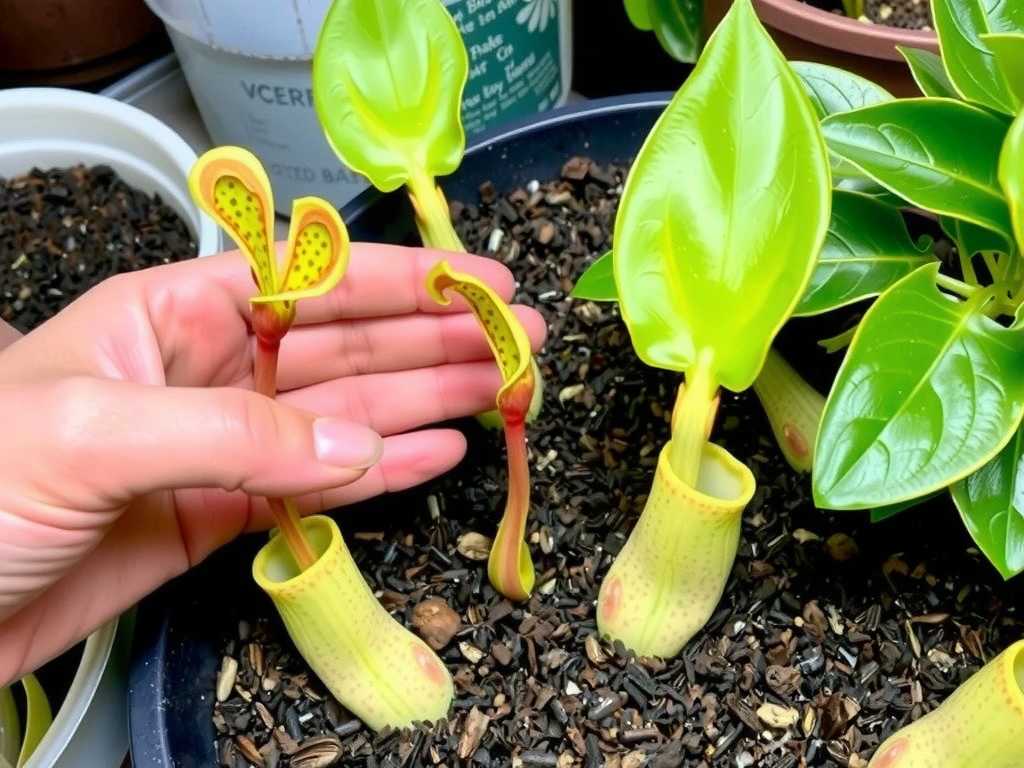
Understanding the Threat: Why Frost is a Seedling's Worst Enemy
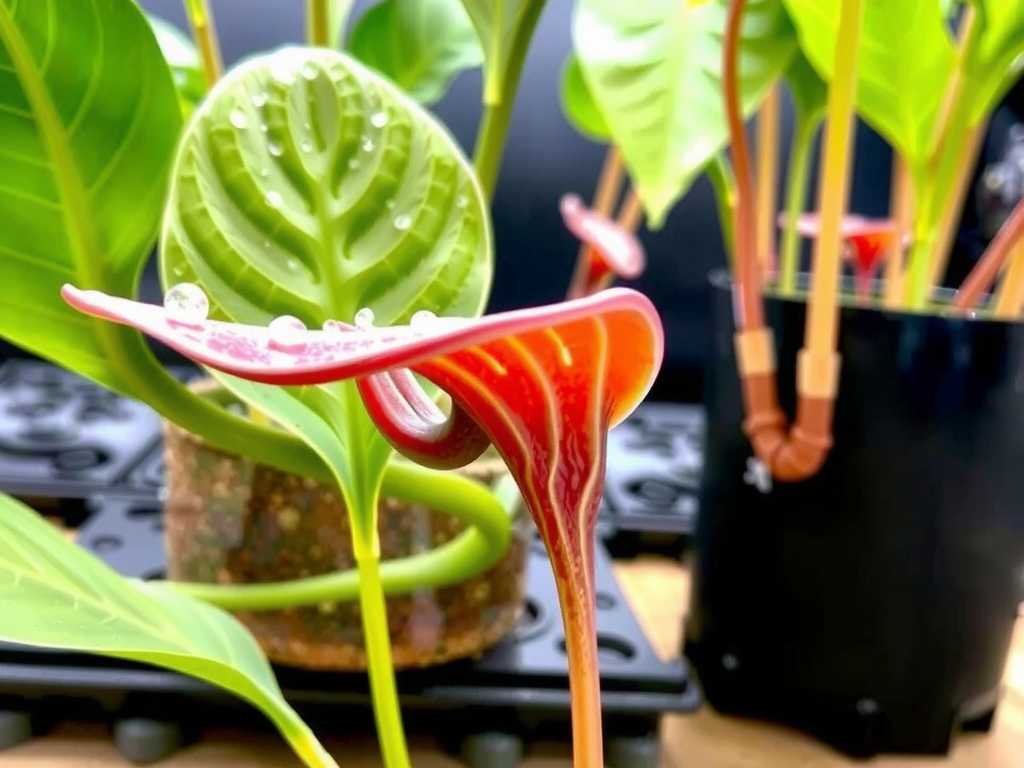
Nepenthes seedlings, even those from highland species adapted to cooler nights, lack the resilience of mature plants. Their cellular structure is tender, their root systems are shallow, and their vascular tissues are not fully developed. While a mature highland Nepenthes might tolerate a brief chill, a seedling faces catastrophic damage.
Frost damage occurs when ice crystals form inside the plant's cells, rupturing the cell walls. This leads to the telltale signs: blackened, water-soaked leaves, a sudden loss of turgor (limpness), and ultimately, collapse. The damage is often irreversible for such small plants. Furthermore, cold stress severely stunts growth, delaying pitcher development and weakening the plant's overall constitution, making it susceptible to fungal diseases like damping off.
Essential Pre-Frost Preparation: Setting Up for Success
The best defense against spring frosts begins long before the weather forecast warns of a cold night. Proactive care builds a stronger seedling that is better equipped to handle minor stresses.
Optimizing Seedling Health Before the Cold A healthy seedling is a more resilient seedling. Ensure your young Nepenthes are receiving consistent, appropriate care. They thrive in bright, indirect light (with some morning sun being ideal), consistently warm temperatures above 60°F (15°C), and high humidity, typically maintained in a terrarium, greenhouse, or humidity dome. As noted by horticulturist Dr. Alastair Robinson in a study of Nepenthes propagation, "Establishing a stable, warm, and humid microclimate from germination is the single most important factor for early seedling vigor." Water them with distilled, rainwater, or reverse osmosis water to prevent mineral burn, and keep them in a well-aerated, loose medium like long-fiber sphagnum moss or a perlite/peat mix.
Knowing Your Local Frost Dates and Microclimates Knowledge is power. Consult the USDA Plant Hardiness Zone map and local agricultural extensions for your area's average last frost date. However, always treat this as a guideline, not a guarantee. Spring weather is notoriously fickle. More importantly, understand your growing space's microclimate. A balcony, porch, or windowsill might be several degrees colder than your yard. Invest in a reliable minimum-maximum thermometer to track the actual lows your plants experience. Monitoring forecasts diligently in early spring is non-negotiable.
Creating a Protective Environment: Your First Line of Defense
When temperatures are predicted to dip near or below 40°F (4°C), it's time to act. Moving your seedlings is the most effective strategy.
Bringing Seedlings Indoors For most growers, this is the simplest solution. If your seedlings are in pots, bring the entire container inside to a warm, bright room. Avoid placing them directly over hot radiators or in cold drafts. A south or east-facing windowsill can work for a few nights. If you lack natural light, a basic LED grow light positioned a few feet above the seedlings will suffice temporarily to prevent etiolation.
Utilizing Indoor Microclimates If you lack windowsill space, create a temporary indoor microclimate. A large, clear plastic storage bin can act as a perfect mini-greenhouse. Place your seedling pots inside, and you can even add a small cup of warm water to boost humidity. Leave the lid slightly ajar for airflow during the day and close it at night to trap warmth. A small heat mat designed for seed starting, placed under the bin on a low setting, can provide a gentle and consistent bottom heat, effectively creating a safe, frost-free zone. This method is highly endorsed by expert growers for managing temperature-sensitive tropical seedlings.
Employing Protective Covers and Insulation
For seedlings grown in a greenhouse, cold frame, or on a sheltered patio, physical barriers can provide critical protection.
The Power of Frost Cloth and Row Covers Specialized horticultural frost cloth (also called floating row cover) is a lightweight, breathable fabric that can provide 2-4°F (1-2°C) of frost protection. Drape it over your seedlings or greenhouse benches before nightfall, ensuring it touches the ground to trap geothermal heat. Secure the edges. Unlike plastic, it allows moisture and some light to pass through and can be left on for several days during a cold spell without overheating plants.
DIY Insulation Techniques In a pinch, household items can be used. A simple cardboard box placed over seedlings for the night can offer surprising insulation. For individual small pots, placing a clear plastic cup or jar over the seedling creates a miniature cloche. Always remove these covers first thing in the morning to prevent heat buildup and allow for light and air circulation. Adding a layer of dry mulch, like sphagnum moss, on the soil surface can also help insulate the delicate root zone.
Post-Frost Recovery and Assessment
If you suspect your seedlings were exposed to cold, careful assessment and gentle care are crucial.
Identifying and Treating Frost Damage Do not immediately move a chilled plant into intense heat. Gradually warm it up in its protected environment. Signs of mild damage include slight leaf discoloration or a temporary droop. Severely damaged tissue will turn black and mushy. Using sterile scissors, you can carefully trim away only the most obviously dead parts. Avoid fertilizing or repotting a stressed seedling, as this adds further strain. Focus on providing stable, optimal warmth and humidity to support recovery.
Long-Term Hardening Off (Acclimatization) Once all danger of frost has completely passed and nighttime temperatures are consistently above 50°F (10°C), you can begin to harden off seedlings that will live outdoors for the summer. This process gradually acclimates them to outdoor conditions. Start by placing them in a fully shaded, sheltered spot for just a few hours a day, gradually increasing their time outside and exposure to dappled morning sun over 7-10 days. This careful transition prevents sunburn and wind shock, ensuring they adapt successfully to their new environment.
What is the lowest temperature a Nepenthes seedling can survive? There is no single safe number, as it varies by species and seedling health. As a strict rule of thumb, any temperature below 40°F (4°C) is dangerous, and exposure to 32°F (0°C) is almost always fatal. Highland species seedlings might tolerate brief dips to 45°F (7°C) if acclimated, but it's an unnecessary risk. Prevention is always safer than testing limits.
Can I use a heat lamp or space heater in my greenhouse for protection? While effective, these require extreme caution. Space heaters must be rated for greenhouse/outdoor use to prevent fire and should have automatic shut-off features. Heat lamps can create dangerous hot spots and dry out seedlings. A thermostatically controlled greenhouse heater or a soil heat mat is a far safer and more energy-efficient solution for dedicated setups.
My seedling survived a frost but stopped growing. What should I do? Stunted growth is a common after-effect of cold stress. The plant has diverted energy to repair cellular damage. Be patient. Maintain consistently ideal warm and humid conditions, ensure bright indirect light, and avoid any stressors like repotting or feeding. With time, as the roots and leaves recover, you should see new growth emerge from the center of the plant. This can take several weeks.
Successfully shepherding Nepenthes seedlings through the volatile spring season requires vigilance, preparation, and a willingness to act quickly. By understanding the specific vulnerability of young plants, preparing their growing environment, and implementing practical protective measures like bringing them indoors or using frost cloth, you transform a period of risk into one of confident care. The reward is a robust, healthy plant that will advance to the next stage of growth, ultimately developing the spectacular pitchers that make the effort so worthwhile. Consistent, attentive protection during these critical early weeks lays the foundation for a thriving Nepenthes collection for years to come.





