 bluename
How to Care for Nepenthes in USDA Zone 4 Indoor Growing
Do you dream of cultivating the exotic, pitcher-adorned vines of a tropical Nepenthes, but your reality is the harsh, cold winters of USDA Zone 4? You're not alone. Many carnivorous plant enthusiasts in cold climates face the daunting challenge of replicating a steamy jungle environment within their home. The common belief is that these botanical marvels are impossible to keep alive outside their native tropics. This guide is here to definitively prove otherwise. With a strategic approach focused on light, humidity, and temperature, you can successfully master the art of How to Care for Nepenthes in USDA Zone 4 Indoor Growing. It’s not about fighting your climate, but about creating a perfectly controlled microclimate where your pitcher plant will not just survive, but thrive and produce its stunning traps.
Understanding Your Plant and Your Climate
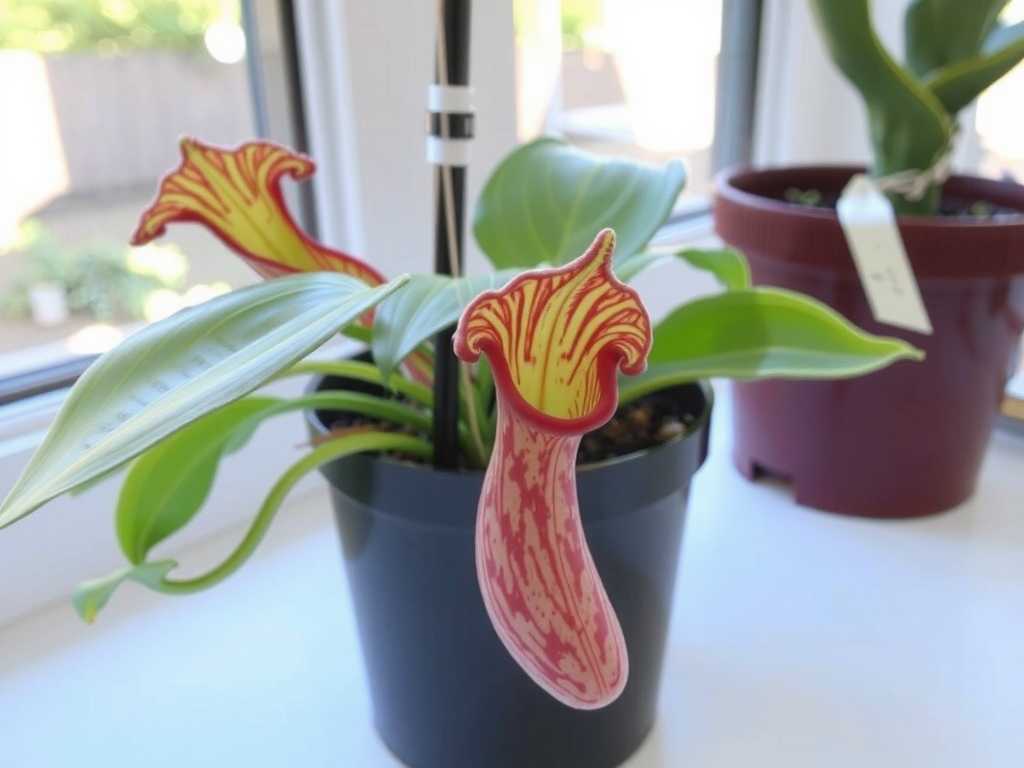
Before diving into care, it's crucial to understand what you're working with. Nepenthes, often called tropical pitcher plants, hail from the humid, warm, and bright environments of Southeast Asia. They are epiphytes in nature, meaning they often grow on other plants, enjoying excellent air circulation and consistent moisture. USDA Zone 4, characterized by minimum winter temperatures plummeting to -30 to -20 °F (-34 to -29 °C), presents a polar opposite. The key to success indoors is completely decoupling your plant's environment from the external winter. Your home becomes its personal, year-round tropical haven.
Choosing the Right Nepenthes for Beginners
Not all Nepenthes are created equal, especially for indoor cultivation in challenging climates. For Zone 4 growers, selecting a hardy, adaptable species or hybrid is half the battle won. Experts and seasoned collectors often recommend starting with robust, intermediate-to-highland hybrids.
- Nepenthes x 'Ventrata' (ventricosa x alata): This is arguably the most recommended beginner plant. It's tolerant of a wider range of humidity and temperature fluctuations, grows vigorously, and pitchers readily in sub-optimal conditions.
- Nepenthes sanguinea: A highland species known for its toughness and stunning red pitchers. It tolerates cooler nighttime temperatures better than pure lowlanders, making it a good fit for homes that get cooler at night.
- Nepenthes maxima hybrids: Many hybrids with N. maxima inherit its adaptability and impressive pitcher size.
Avoid true lowland species (like N. ampullaria or N. bicalcarata) initially, as they require constant, intense heat and humidity that can be more difficult and expensive to maintain in a dry, cold-climate home.
The Four Pillars of Indoor Nepenthes Care in Cold Climates
1. Mastering Light: The Energy Source
Light is non-negotiable. In the dim winter months of Zone 4, natural light from a south-facing window is often insufficient. Your plant needs bright, indirect light for 12-14 hours daily.
- Best Practice: Use strong artificial lighting. LED grow lights are ideal for indoor carnivorous plant care due to their low heat output and full spectrum. A quality LED panel or bulb placed 12-18 inches above the plant for 12-14 hours a day will fuel strong growth and pitcher production. According to a study on indoor plant physiology, consistent, adequate photosynthetic photon flux density (PPFD) is critical for plants like Nepenthes to maintain metabolic processes beyond mere survival, enabling them to allocate energy to trap development.
2. Conquering Humidity: The Constant Challenge
Dry, heated indoor air is the biggest killer of Nepenthes in winter. These plants require 50-70% relative humidity to form and maintain functional pitchers.
- The Enclosure Method: The most effective solution is a partial enclosure. A large terrarium, a clear storage tote with holes, or even a dedicated grow tent (like those used for indoor gardening) creates a controlled humid microclimate. This is far more efficient than misting, which offers only temporary relief.
- Humidifiers: A small ultrasonic humidifier placed near the plant collection can raise local humidity significantly. Use it in conjunction with pebble trays filled with water under the pots.
- Grouping Plants: Cluster your Nepenthes with other humidity-loving plants. Their collective transpiration raises the humidity in their immediate vicinity.
3. Regulating Temperature: Creating a Diurnal Cycle
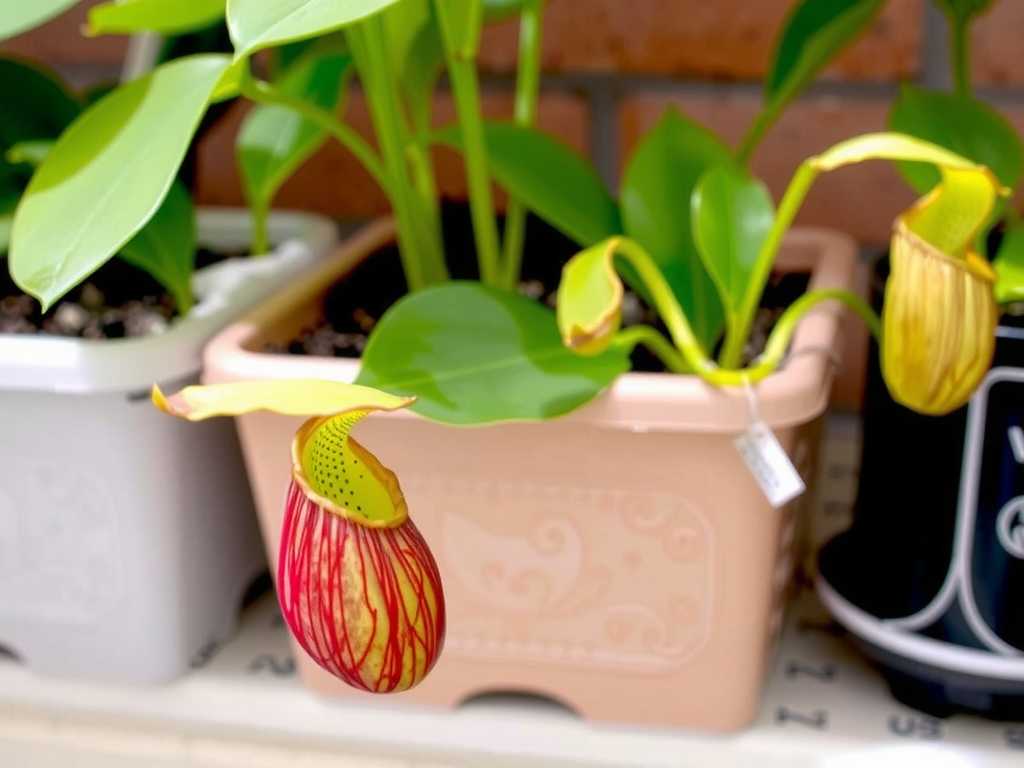
While your home is warm, mimicking a natural day-night temperature drop (a diurnal cycle) can be beneficial, especially for highland hybrids.
- Daytime: Aim for 70-85°F (21-29°C).
- Nighttime: A drop to 60-70°F (15-21°C) is ideal and often occurs naturally near a window in a Zone 4 winter. Avoid placing your plant directly over a hot radiator or in a cold draft. Consistency is more important than perfection.
4. Water, Soil, and Feeding: The Foundation
- Water: Use only low-mineral water. Rainwater, distilled water, or reverse osmosis water is mandatory. Tap water, even filtered, often contains dissolved minerals that will accumulate in the soil and slowly poison the plant. Keep the soil consistently moist but never waterlogged. Water thoroughly when the top inch of media feels slightly damp.
- Soil: Never use standard potting soil. Nepenthes require an acidic, airy, and well-draining mix. A standard recipe is a 1:1 mix of long-fiber sphagnum moss and horticultural perlite or orchid bark. This medium retains moisture while allowing oxygen to reach the roots.
- Feeding: Your plant gets nutrients from its pitchers, not its roots. If growing indoors without insects, you can occasionally feed pitchers by dropping a few small, dead insects (like dried bloodworms or a crushed fly) into them every few weeks. Never use fertilizer in the soil.
Troubleshooting Common Issues in an Indoor Setup
- No Pitchers Forming: This is the most common frustration. The cause is almost always insufficient light, low humidity, or both. Re-evaluate your grow light strength and duration, and increase humidity containment.
- Brown Leaf Tips or Pitchers: Usually a sign of low humidity or mineral burn from bad water. Check your water source and local humidity levels.
- Slow Growth or Pale Leaves: Typically indicates not enough light. Upgrade or move your grow light closer.
Advanced Tips for Thriving Plants
Once you've mastered the basics, you can optimize further. Consider automating your system with a timer for lights and a humidistat-controlled humidifier. Some growers use small computer fans inside terrariums to ensure air circulation and prevent mold, mimicking the gentle breezes of a mountain forest. Documenting your conditions with a simple digital hygrometer/thermometer provides invaluable data to correlate with your plant's health and growth spurts.
Frequently Asked Questions
Can I put my Nepenthes outside in Zone 4 during summer? Yes, with great care. Once nighttime temperatures are consistently above 50°F (10°C), you can acclimate it to a shaded, sheltered patio. It will enjoy the natural humidity and light. However, you must bring it back indoors long before the first fall frost. Always check for pests before bringing it back inside.
How often should I repot my indoor pitcher plant? Repot every 1-2 years, or when the medium breaks down and becomes soggy, or the plant outgrows its pot. The best time is in early spring as growth resumes. Use the fresh, airy soil mix described earlier.
Is it necessary to cut off the old, brown pitchers? Yes, it's good practice. Once a pitcher is completely brown and dry, you can trim it off at the tendril near the leaf. This keeps the plant looking tidy and may encourage it to produce new growth points.
Growing Nepenthes in USDA Zone 4 is a rewarding testament to a gardener's skill. It transforms the perceived limitation of a cold climate into an opportunity for creating a specialized, beautiful indoor ecosystem. By focusing on the pillars of strong artificial light, sustained high humidity, pure water, and the right soil, you create a pocket of the tropics right in your living room. Start with a resilient hybrid, be patient as you dial in your specific environment, and soon you'll be rewarded with the incredible sight of new, glistening pitchers unfurling against a backdrop of winter snow outside your window.





