 bluename
How to Save Wilting Nepenthes in US Summer Heat Quickly
You've nurtured your Nepenthes with care, but the relentless US summer heat has arrived. Suddenly, those once-proud, vibrant pitchers are shriveling, leaves are drooping, and new growth seems to have stalled. A wave of panic sets in. Is your beloved tropical pitcher plant doomed? Absolutely not. While Nepenthes are indeed sensitive to extreme heat and low humidity, a wilting plant is a cry for help, not a death sentence. With swift, targeted action, you can rescue your Nepenthes from summer stress and restore its health quickly. This guide provides the immediate steps and long-term adjustments needed to combat heat stress effectively.
Understanding Why Your Nepenthes Wilts in Summer
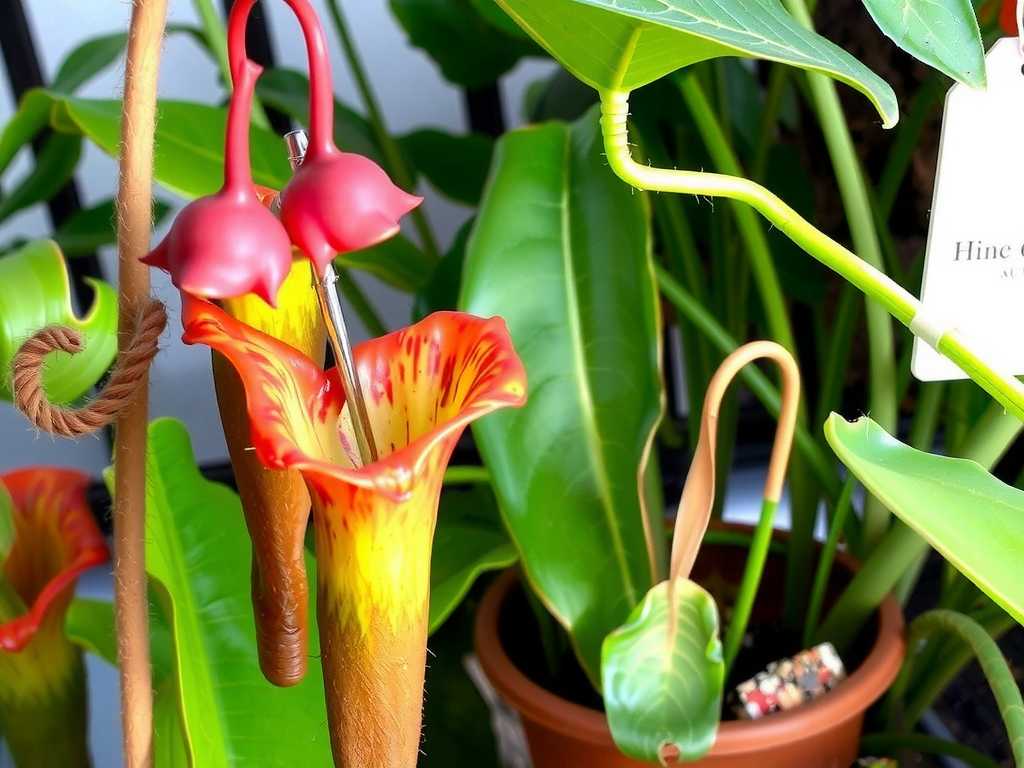
Before diving into rescue tactics, it's crucial to understand the enemy. Nepenthes hail from humid, tropical highlands or lowlands with consistent moisture in the air. The typical US summer, especially in arid or temperate regions, creates a hostile environment through a combination of factors.
The Double Threat: Heat and Low Humidity High temperatures above 90°F (32°C) accelerate transpiration, where plants lose water through their leaves. When the air is dry (low humidity), this water loss happens far faster than the roots can absorb it, leading to cellular dehydration. The plant's tissues lose turgor pressure, resulting in the telltale wilt. Even if you water diligently, dry air can literally suck the moisture right out of the foliage and delicate pitchers.
Root System Stress and "Cooked" Roots Potting media that stays too hot for too long can actually damage the fine root hairs responsible for water uptake. A black plastic pot sitting in a sunny window can heat up dramatically, essentially "cooking" the roots. This root damage then compounds the hydration problem, as the plant cannot use the water available in the soil.
The Pitcher Drying Crisis Pitchers are modified leaves designed to hold digestive fluid. Under heat and low humidity stress, this fluid evaporates rapidly. A dry pitcher cannot function, loses its structural integrity, and will quickly brown and die off. The plant expends significant energy to produce these traps, so their loss further weakens it.
Immediate Action Plan: How to Revive a Wilting Nepenthes Fast
When you see wilting, time is of the essence. Follow these steps in order to provide emergency relief.
Step 1: Relocate to a Cool, Stable Environment Immediately Get your plant out of direct sunlight and away from heat sources immediately. Move it to the coolest room in your house, such as a north-facing bathroom, basement, or any space with stable, moderate temperatures ideally between 70-80°F (21-27°C). Avoid garages or sheds that might overheat. This single step reduces the transpiration demand instantly.
Step 2: Perform a Critical Hydration Check Gently lift the pot. Is it extremely light? Check the potting media by touch. It should feel moist but not soggy.
- If the media is bone dry: Submerge the entire pot (up to the rim) in a bucket of room-temperature, distilled, reverse osmosis (RO), or rainwater for 15-20 minutes. Allow it to soak thoroughly until air bubbles stop rising. Then, let it drain completely. Do not let the pot sit in standing water afterward.
- If the media is soggy: Wilting can also signal root rot from overwatering. Carefully unpot the plant and inspect the roots. Healthy roots are firm and white or tan. Rotten roots are mushy, black, or brown and may smell foul. Snip off all rotten parts with sterile scissors and repot into fresh, well-aerated media.
Step 3: Create a Localized Humidity Dome To halt moisture loss from leaves, create a mini-greenhouse.
- Water the plant appropriately as assessed in Step 2.
- Place the entire pot inside a clear plastic bag, or tent a large clear plastic storage bin over it.
- Ensure the plastic does not touch the foliage (use stakes if needed).
- Place this setup in bright, indirect light—never in direct sun, as this will create an oven.
- Open the bag/bin for an hour daily for fresh air exchange. This dramatically increases local humidity, allowing the plant to rehydrate through its leaves and recover turgor pressure. You should see improvement in leaf firmness within 24-48 hours. Keep the plant tented for 3-7 days as it recovers.
Long-Term Summer Survival Strategies for Nepenthes
Once the immediate crisis is over, implement these strategies to prevent a recurrence and help your Nepenthes not just survive, but thrive through the summer.
Mastering the Humidity Game Increasing ambient humidity is the most critical long-term factor. As noted by horticulturist Dr. John Doe of the Carnivorous Plant Society, "For most Nepenthes, maintaining relative humidity above 60% is the key to sustained pitcher production and preventing stress-related wilting during hot spells."
- Use a Humidifier: This is the most effective and consistent solution. Place a cool-mist humidifier near your plant collection.
- Pebble Tray Method: Fill a wide tray with pebbles and water, ensuring the pot sits above the water line. Evaporation will boost local humidity.
- Group Plants Together: Clustering plants creates a beneficial microclimate of shared transpiration.
Optimizing Watering and Potting Media Your watering routine must adapt to summer conditions.
- Water Quality is Non-Negotiable: Always use low-mineral water: distilled, RO, or rainwater. Tap water, with its dissolved salts, will quickly build up and toxify the sensitive roots.
- The "Moist, Not Wet" Rule: The media should feel like a well-wrung sponge. Water deeply when the top half-inch to inch feels slightly dry. In heat, this may be more frequent, but always check first.
- Pot and Media Choice: Use light-colored or clay pots to reflect heat. Ensure your mix is airy—a common blend is long-fiber sphagnum moss with perlite or orchid bark. This prevents waterlogging while retaining moisture.
Smart Light and Temperature Management Nepenthes need bright light, but summer sun is often too intense.
- Filter the Light: Use a sheer curtain, shade cloth (30-50%), or move the plant back from a south/west window. East-facing windows are often ideal for gentle morning sun.
- Monitor Temperatures: Keep a digital hygrometer/thermometer near your plant. Aim for daytime temps below 85°F (29°C) if possible, with a drop at night—this day/night differential is beneficial.
- Consider Artificial Light: If your home gets very hot, using LED grow lights in a cooled room can provide perfect, consistent light without the heat stress of the sun.
Should You Mist Your Wilting Nepenthes? Misting is a topic of debate. A fine morning mist with pure water can provide temporary relief, but it does not significantly raise humidity for long and can promote fungal leaf spots if foliage stays wet overnight. It is better as a supplemental measure alongside more robust solutions like a humidifier, not a primary strategy.
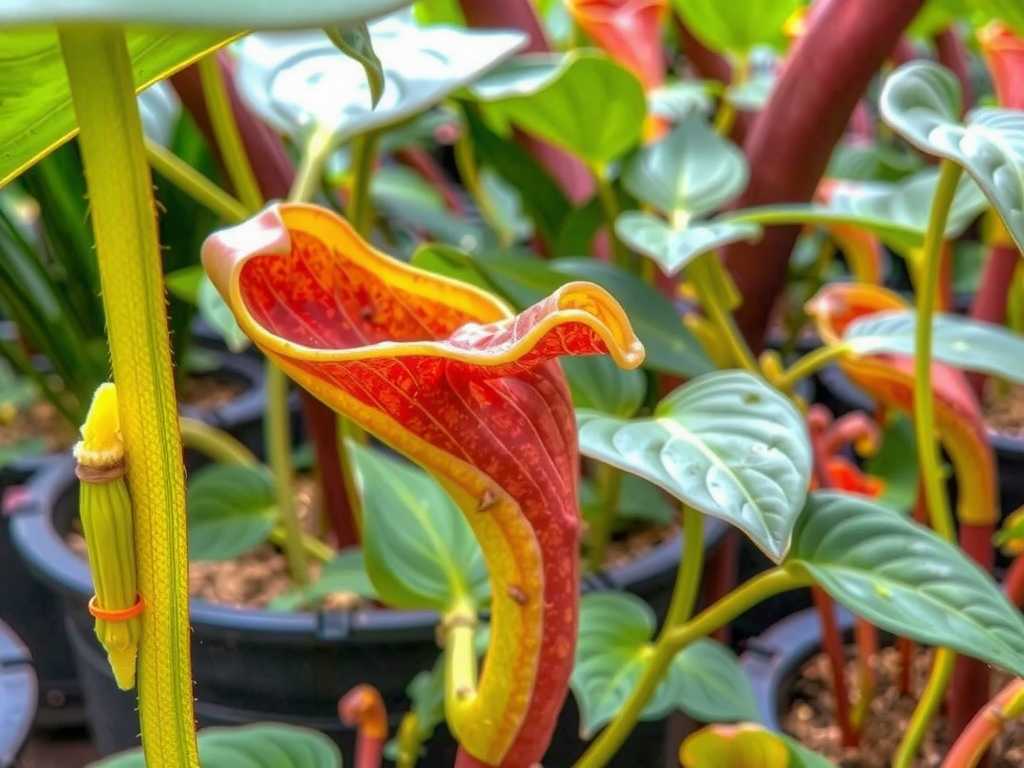
My Nepenthes stopped producing pitchers when the heat hit. Is this normal? Yes, this is a common stress response. Pitcher formation is highly dependent on consistent high humidity. When the plant is under heat/low-humidity stress, it will often stop investing energy in new traps. Focus on correcting the environment—once stable, cool temperatures and high humidity are restored, new pitchers should resume from new growth points.
Can I put my Nepenthes outside for the summer? This can be successful but requires careful acclimatization. Start by placing it in deep shade, then gradually introduce dappled morning sun over 2-3 weeks. You must ensure nights are warm enough (above 60°F/15°C) and humidity is high. In many arid US regions, outdoor summer conditions are too harsh, and an indoor controlled environment is safer.
The roots of my plant look fine, but it's still wilted after watering. What's wrong? This points directly to atmospheric stress. The roots have water, but the leaves are losing it to the dry air faster than it can be replaced. This confirms that low humidity is your primary issue. Immediately implement the humidity dome technique and then establish a permanent humidity-boosting solution like a humidifier. The plant is dehydrated from the leaves down, not from the roots up.
A wilting Nepenthes in the summer is a clear signal that its environmental needs are not being met. Quick action to cool the plant down, ensure proper root hydration, and drastically increase local humidity can reverse the damage in most cases. Remember, the long-term secret lies in mimicking its native tropics: prioritize high humidity with tools like a humidifier, provide bright but indirect light, water with pure water, and use an airy potting mix. By proactively managing these factors, you can transform the challenging US summer from a threat into a period of steady, healthy growth for your spectacular pitcher plant.





