 bluename
How to Care for Nepenthes in Closed Terrariums: A Complete Guide for US Homes
You've fallen in love with the otherworldly beauty of pitcher plants (Nepenthes) and the lush, miniature world of a closed terrarium. The idea of combining them seems perfect—a self-sustaining ecosystem showcasing these carnivorous wonders. But then, frustration sets in. Your Nepenthes' pitchers shrivel, growth stalls, or worse, the plant begins to rot. This common struggle leaves many US plant enthusiasts wondering if these two can ever truly coexist. The good news? With the right approach, it is absolutely possible to grow healthy, pitcher-producing Nepenthes in a sealed glass environment. This guide cuts through the confusion, providing a clear, step-by-step roadmap tailored for indoor gardeners across the United States.
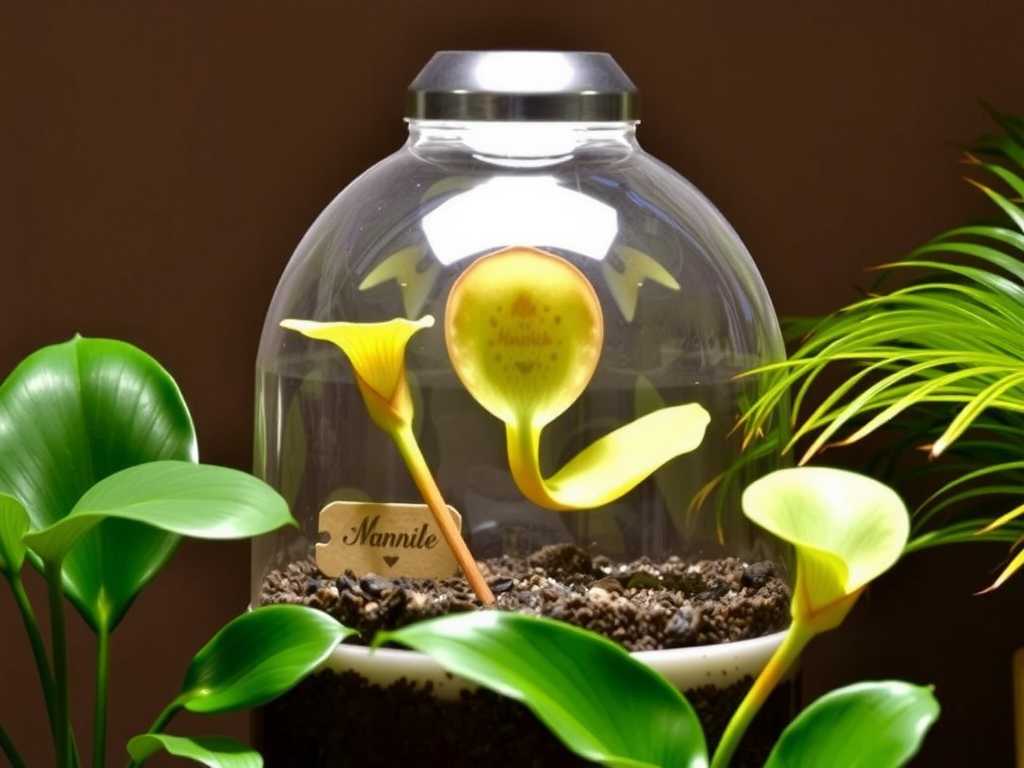
Understanding the Fundamental Challenge: Nepenthes vs. The Typical Terrarium
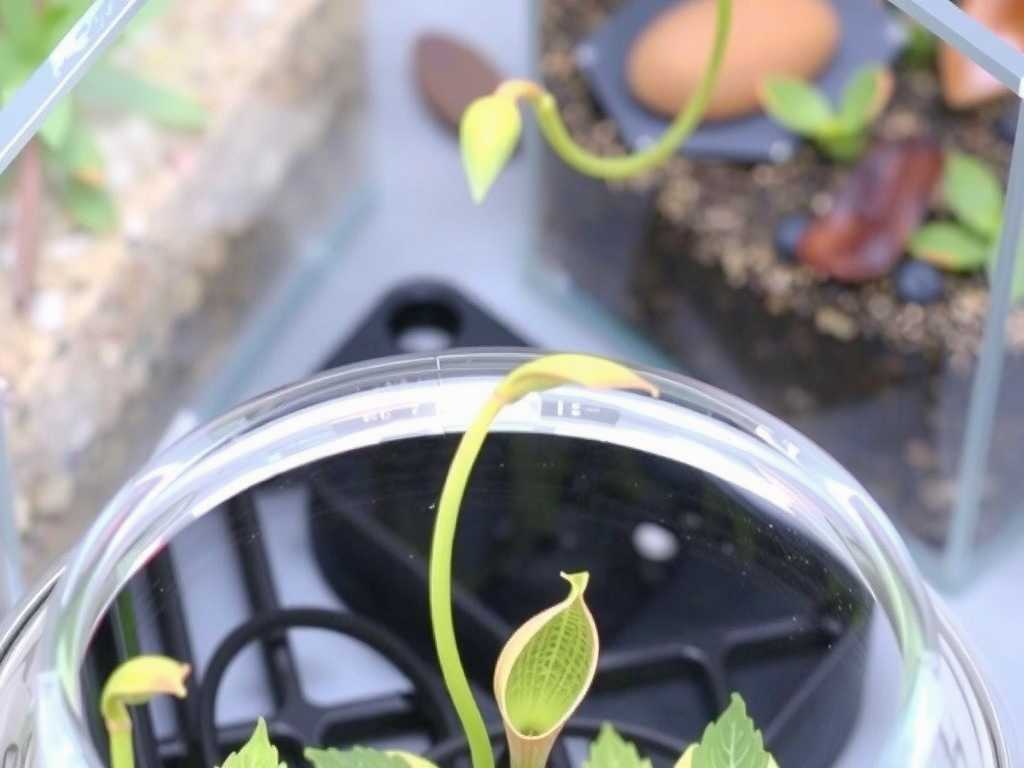
Most closed terrarium guides are written for moisture-loving, low-light plants like ferns and mosses. Nepenthes, however, break the mold. While they thrive in high humidity, they also demand bright light, excellent air circulation around their roots, and mineral-free water. A standard, perpetually soggy, and dark terrarium is a death sentence. Success hinges on meticulously balancing these opposing needs.
Selecting the Right Nepenthes Species for a Closed Environment
Not all pitcher plants are created equal for this project. Your single most important decision is choosing a species or hybrid adapted to consistent warmth and humidity.
- Best Candidates (Lowland & Intermediate Hybrids): Look for varieties that naturally grow in steamy jungle floors. These are your best bet for a closed terrarium Nepenthes.
- Nepenthes ampullaria: Excels in high humidity and lower light.
- Nepenthes gracilis: A tough, adaptable species.
- Nepenthes x ventrata: A wildly popular and resilient hybrid (N. ventricosa x N. alata).
- Hybrids with "Lady Luck" or "Bloody Mary": Often bred for vigor and adaptability to indoor conditions.
- Avoid (Highland Species): Steer clear of species like N. rajah, N. villosa, or N. lowii. They require dramatic day-night temperature drops and constant, cool airflow that is nearly impossible to achieve in a sealed US home terrarium.
Building Your Nepenthes Terrarium: A Step-by-Step Setup
A proper foundation is non-negotiable. This setup prioritizes root aeration and prevents waterlogging.
- The Container: Choose a glass vessel with a wide opening or a front-opening door for maintenance. A sealed glass cloche placed over a deep dish also works beautifully.
- The Drainage Layer: Start with a 1.5-2 inch layer of aquarium gravel or LECA (clay pebbles). This is your reservoir for excess water, keeping it away from roots.
- The Barrier: Place a sheet of horticultural mesh or a thin layer of sphagnum moss over the drainage layer to prevent soil from sifting down.
- The Critical Growing Medium: Do NOT use potting soil, compost, or fertilizer. These will kill your plant. Use a terrarium-safe Nepenthes mix:
- Formula 1: 50% Long-Fibered Sphagnum Moss, 50% Orchid Bark (fine grade).
- Formula 2: 1:1:1 ratio of Sphagnum Moss, Orchid Bark, and Perlite.
- This mix is acidic, nutrient-free, and retains moisture while remaining incredibly airy.
- Planting: Gently remove your Nepenthes from its nursery pot, teasing out the old media. Create a hole in your new mix and position the plant. The base of the stem should be level with the media surface. Do not bury it deeply.
- Hardscaping & Aesthetics: Add moisture-tolerant decor like cork bark rounds, dragon stone, or driftwood. These provide climbing support and enhance the natural look. You can add a carpet of live sphagnum moss on the soil surface to retain moisture and complete the biosphere aesthetic.
The Ongoing Care Regimen for a Thriving Plant
Setup is only half the battle. Consistent care tailored to a closed system is key.
- Lighting Requirements: This is the most common pitfall. Your terrarium needs bright, indirect light for Nepenthes. A north or east-facing windowsill is rarely sufficient, especially through glass.
- Solution: Use a powerful LED grow light placed 6-12 inches above the terrarium. Provide 12-14 hours of light daily. A timer ensures consistency. Look for full-spectrum lights; their effectiveness is well-documented in horticultural studies for promoting photosynthesis and pitcher formation.
- Watering and Humidity: The closed environment will recycle moisture, creating high humidity—which Nepenthes love. Watering is infrequent.
- Water: Use only distilled water, reverse osmosis (RO) water, or rainwater. Tap water contains minerals that will accumulate and poison the plant.
- Method: Water the growing medium directly until the drainage layer is slightly moistened. Then, seal the terrarium. Condensation should form on the glass. If it's completely clear and dry for over a day, add a small amount of water. If it's perpetually foggy, open the lid for a few hours to allow excess evaporation.
- Feeding Your Carnivorous Plant: In a closed terrarium, it won't catch insects. You must feed it to provide nitrogen.
- Method: Every 3-4 weeks during active growth, drop a single, small bloodworm (freeze-dried for fish, rehydrated) or a tiny piece of a crushed betta pellet into a few of the pitchers. Do not overfeed. Never use fertilizer in the soil.
- Maintenance and Pruning:
- Airflow: Periodically open the lid for an hour or two each week to allow fresh air exchange and prevent mold.
- Pruning: Trim away any completely brown or dead leaves at the stem to keep the environment clean.
- Cleaning: Wipe the inside glass with a paper towel to remove algae and maintain clarity for light penetration.
Troubleshooting Common Issues in a US Home Setting
- No Pitcher Formation: Almost always due to insufficient light. Upgrade your grow light. Low humidity is a secondary cause, but rare in a closed system.
- Yellowing Leaves: Often a sign of mineral burn from incorrect water or the slow death of an old leaf. Check your water source first.
- Mold or Fungus: Caused by stagnant air and decaying matter. Increase airing-out frequency, remove any dead plant material immediately, and ensure you are not overwatering.
- Plant Appears Limp or Rotting: The classic sign of "wet feet" and root rot. The growing medium is too dense or kept too wet. You may need to replant in a fresher, airier mix.
Frequently Asked Questions
Can I keep my Nepenthes terrarium in a bathroom with a window? A bathroom provides excellent humidity, but natural light is usually insufficient unless it's a large, south-facing window. You will likely still need supplemental grow lighting for healthy pitcher plant care in a terrarium.
Do I need to use a heating mat under the terrarium? For most recommended lowland hybrids in a typical US home (68-78°F), a heat mat is unnecessary and can overheat the roots. It's only advised if your home is consistently below 65°F.
How often should I completely change the soil in my closed terrarium? With the right media, a full change may not be needed for 2-3 years. The system is designed to be stable. Top-dress with fresh sphagnum moss annually and only repot if the plant outgrows the space or the media breaks down significantly.
Growing Nepenthes in a closed terrarium is a rewarding challenge that marries horticulture with art. By prioritizing bright, artificial light, an exceptionally well-draining and acidic medium, and pure water, you can create a stunning, self-regulating display. Remember, the sealed glass provides the humidity, but you must provide the sun and the airy foundation. Start with a resilient hybrid, be patient as it acclimates, and you'll be rewarded with a thriving, insect-trapping jewel in your home.





