 bluename
How to Fertilize Nepenthes in US Spring for Fast Growth
You've nurtured your Nepenthes through the winter, and now spring in the US is here. You're eagerly waiting for a burst of vigorous growth and a spectacular display of new, colorful pitchers. But instead, your plant seems sluggish, producing small leaves and few, if any, traps. The frustration is real. You know these carnivorous plants get nutrients from their prey, so the idea of fertilizing feels confusing and risky. Apply the wrong product or method, and you could burn the delicate roots or cause pitcher die-off, stunting your plant's growth for the entire season. The key to unlocking that fast, lush growth you desire lies not in avoiding fertilizer, but in mastering the unique, gentle art of spring feeding tailored to the US climate.
This guide will walk you through the exact steps to safely and effectively fertilize your Nepenthes this spring, turning potential frustration into flourishing success.
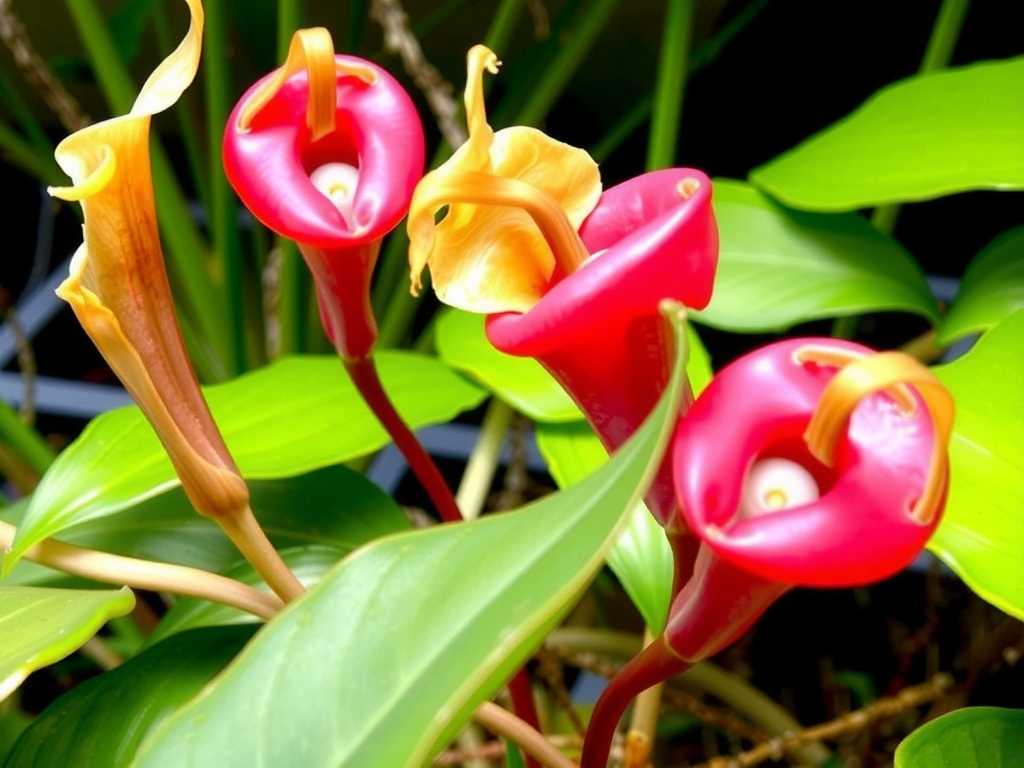
Understanding Nepenthes Nutrition: Beyond Bugs Alone
While Nepenthes are masterful insect trappers, relying solely on prey can be inconsistent, especially for indoor plants or during seasonal shifts. In their natural habitat, they receive a constant, minute trickle of nutrients from decaying matter in the canopy and from a vast number of small prey. Our homes and greenhouses can't replicate this perfectly. Strategic fertilization in spring supplements their diet, providing the essential building blocks—primarily nitrogen, phosphorus, and potassium—for rapid leaf expansion, robust vine development, and, crucially, the energy-intensive process of pitcher formation.
Spring in the US, with its increasing daylight and warmer temperatures, signals your Nepenthes to exit its slower winter metabolism. This is the prime time to support that natural growth surge. As noted by horticulturist and carnivorous plant expert Dr. Elaine Thompson, "Spring fertilization for Nepenthes isn't about forcing growth; it's about removing nutritional limitations so the plant can achieve its full genetic potential during its natural active period."
Preparing for Spring Fertilization: The Foundation
Before you apply a single drop of fertilizer, success depends on two critical factors: your plant's health and your water quality.
Assess Your Plant's Health Only fertilize a Nepenthes that is actively growing and appears healthy. Signs of active growth include new, expanding leaves from the crown or vine. Do not fertilize a plant that is dormant, stressed from recent repotting, suffering from root rot, or severely dehydrated. Fertilizing a weak plant will add stress, not relieve it. Ensure your plant is in appropriate, well-aerated media like long-fiber sphagnum moss or a chunky orchid mix, and receiving plenty of bright, indirect light.
The Critical Role of Water Quality This cannot be overstated. Nepenthes are extremely sensitive to dissolved minerals and chemicals found in tap water, such as chlorine, chloramines, and salts. These can build up in the potting medium, burning roots and causing leaf tip burn. Always use pure water. The gold standard is rainwater, distilled water, or reverse osmosis (RO) water. This pure base is essential for both regular watering and for diluting your fertilizer.
Choosing the Right Fertilizer for Fast Growth
Selecting a suitable product is half the battle. The goal is to provide nutrients without the toxic salt buildup of standard garden fertilizers.
Recommended Fertilizer Types
- Orchid Fertilizers: These are often excellent choices as they are formulated for epiphytic plants with similar low-mineral tolerance. Look for balanced, water-soluble formulas (with equal or near-equal N-P-K ratios like 20-20-20 or 30-10-10).
- Specialized Carnivorous Plant Fertilizers: Brands like Maxsea or Foliage-Pro offer formulas that are gentle and effective. Maxsea 16-16-16 is a popular, seaweed-based option renowned for its safety and results.
- Diluted General Purpose Fertilizers: In a pinch, a standard water-soluble fertilizer can be used, but it must be diluted to a much weaker strength than for typical houseplants.
What to Avoid Avoid slow-release pellets, soil granules, or any fertilizer not designed for epiphytic or sensitive plants. These release concentrations of salts that can quickly damage Nepenthes roots.
The Best Fertilization Methods for US Spring Conditions
With your healthy plant, pure water, and appropriate fertilizer in hand, you can choose the safest application method. The overarching rule is "weakly, weekly." A very dilute solution applied regularly is far safer and more effective than a strong dose occasionally.
1. Foliar Feeding: The Safest and Most Recommended Method This involves misting the diluted fertilizer solution directly onto the leaves, particularly the undersides and the growing tip (meristem). This method bypasses the sensitive roots entirely.
- Dilution: Dilute your fertilizer to 1/4 to 1/2 of the recommended strength on the package. For example, if the label says 1 teaspoon per gallon, use ¼ to ½ teaspoon per gallon of pure water.
- Application: Use a fine mist spray bottle. In the early morning or on a cloudy day, lightly mist the foliage until it beads slightly. Avoid drenching the soil media. Do this once every 2-4 weeks during spring.
- Benefit for Fast Growth: Foliar feeding provides a quick nutrient boost directly to the sites of photosynthesis, encouraging rapid leaf development.
2. Pitcher Feeding: Mimicking Nature This method delivers nutrients directly into the pitchers, simulating natural prey capture.
- Dilution: Use an even more dilute solution—about 1/8 to 1/4 standard strength.
- Application: Using a dropper or pipette, add a few milliliters (enough to fill the pitcher no more than 1/4 full) of the diluted solution into a few of the larger, established pitchers. Never overfill, as this can rot the pitcher.
- Benefit for Fast Growth: The nutrients are absorbed directly by the pitcher's digestive glands, providing energy specifically for producing more and larger traps.
3. Root Feeding: The Advanced Technique Applying dilute fertilizer to the potting media is riskier but can be effective for large, established plants in very free-draining media.
- Critical Dilution: Dilute fertilizer to 1/8 to 1/4 strength.
- Application: Water the plant with this solution as you would with pure water, ensuring it drains freely from the bottom. Only do this once per month at most during peak spring growth, and flush the pot thoroughly with pure water the next time it needs watering to prevent salt accumulation.
Creating the Ideal Spring Environment for Nutrient Uptake
Fertilizer alone won't create fast growth; it must be paired with optimal spring care.
- Light: Provide as much bright, indirect light as possible. An east or south-facing window (with diffusion) or grow lights for 12-14 hours are ideal. More light means more energy to use the nutrients you provide.
- Humidity: Spring growth demands higher humidity (60-80%) for proper pitcher formation and to reduce plant stress. Use a humidifier or a pebble tray.
- Temperature: Most intermediate and highland Nepenthes enjoy the cool nights and warm days typical of US spring. This diurnal swing encourages robust growth and pitchering.
Monitoring and Adjusting Your Fertilization Routine
Observe your plant closely after you begin fertilizing.
- Signs of Success: New leaves emerge larger and faster. Existing leaves deepen in color. New pitcher buds form and develop successfully.
- Signs of Over-Fertilization (Burn): Leaf tips or edges turning brown or black. Sudden pitcher yellowing and die-off. A white crust of salts on the pot or media surface. If you see this, stop fertilizing immediately and flush the pot repeatedly with pure water.
Should I fertilize my Nepenthes in spring if it's catching bugs? Yes, you still can, but you may reduce the frequency or concentration. Even with prey, a gentle foliar or pitcher feeding can provide a more complete and consistent nutrient profile, ensuring the fastest possible growth during this key season.
Can I use fish emulsion or worm tea to fertilize my pitcher plant? While organic options like these are sometimes used, they can be messy, smell unpleasant indoors, and may clog the delicate pores in the potting media. A balanced, water-soluble chemical fertilizer, highly diluted, is often cleaner, more precise, and just as effective when applied correctly.
My Nepenthes stopped producing pitchers after I fertilized it. What did I do wrong? This is often caused by either over-fertilization (salt stress) or by applying fertilizer too strongly via the roots. Pitcher production is highly sensitive to changes in root environment. Switch to the safer foliar or pitcher-feeding methods at a very dilute strength, ensure your water is pure, and give the plant optimal light and humidity. The pitchers should return with new growth.
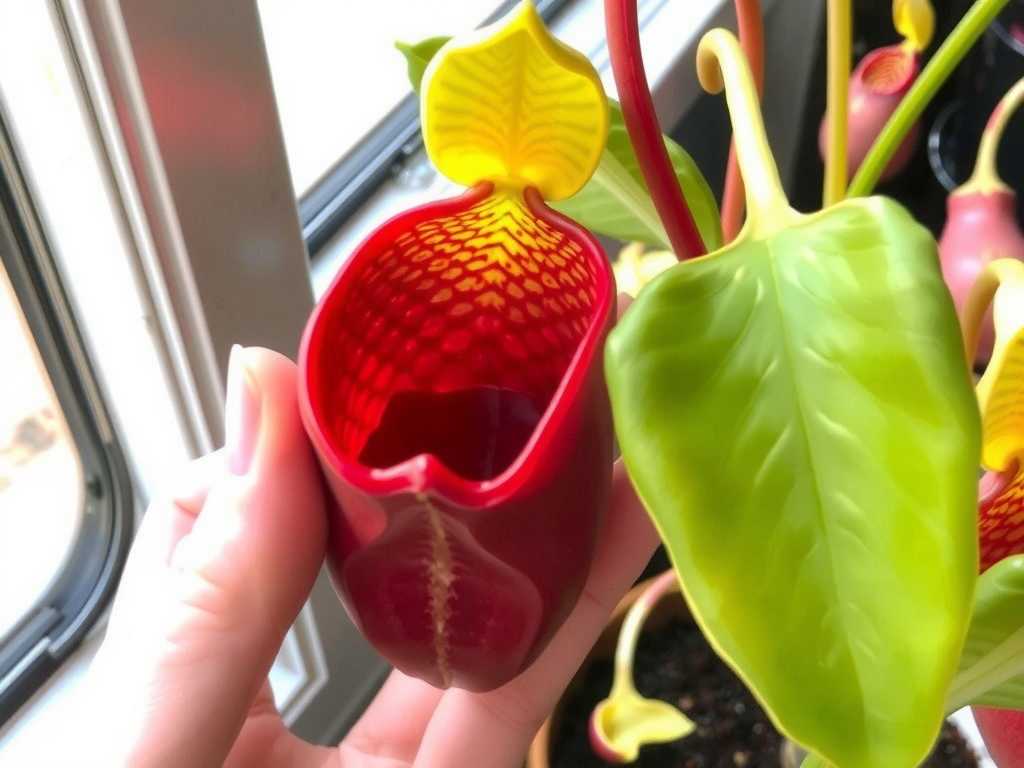
Mastering spring fertilization for your Nepenthes transforms it from a mere survivor into a thriving spectacle. By starting with a healthy plant, insisting on pure water, selecting a gentle fertilizer, and applying it weakly and weekly through safe methods like foliar spraying, you provide the essential support for its natural growth cycle. Pair this nutritional strategy with strong light and high humidity, and you'll witness a significant acceleration in leaf expansion and pitcher development. Remember, patience and consistency are key. Observe your plant, adjust as needed, and enjoy the rewarding process of guiding your Nepenthes toward its most vigorous and beautiful spring growth yet.





