 bluename
How to Care for Nepenthes in North American Apartment Balconies
You love the exotic, alien beauty of pitcher plants, but you live in a city apartment. You’ve seen stunning photos of Nepenthes cascading from baskets, their intricate pitchers glistening. Yet, every attempt ends with a sad, pitcher-less vine struggling on your balcony. The dream of growing these tropical carnivores seems impossible with limited space, harsh sun, and dry air. What if you could turn that challenging balcony into a thriving Nepenthes haven? It’s not only possible; it can be incredibly rewarding. This guide will walk you through the exact steps to successfully grow healthy, pitcher-producing Nepenthes on your North American apartment balcony.
Understanding Your Balcony’s Microclimate
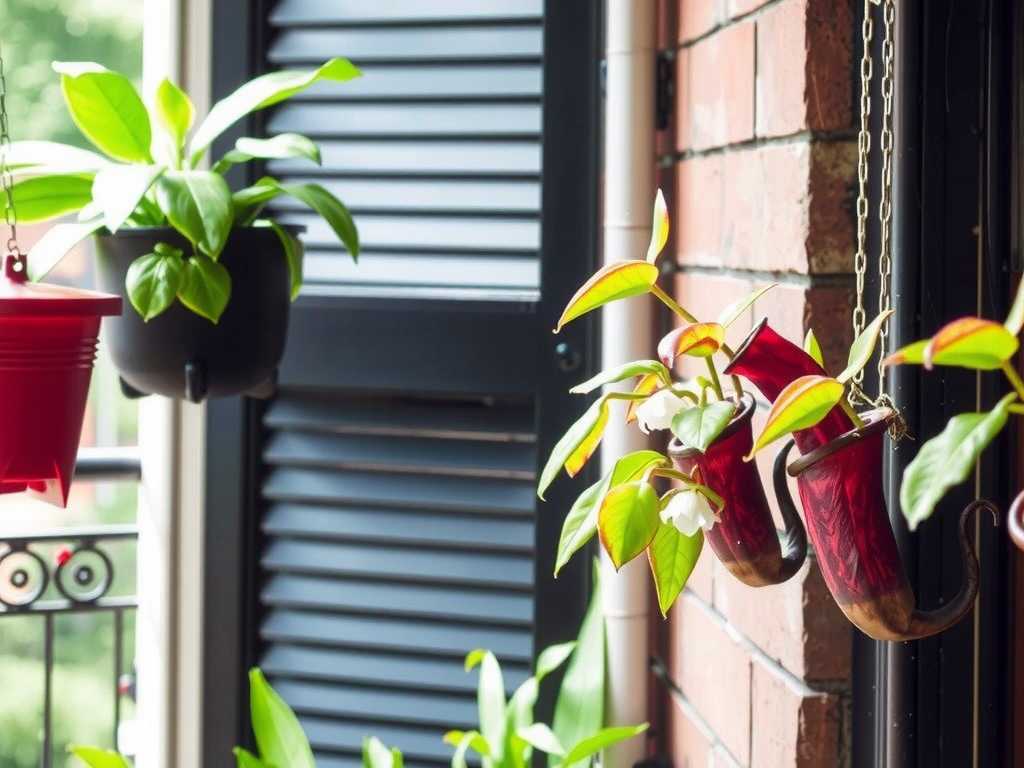
Before you buy a single plant, become a detective. Your balcony’s specific conditions will dictate everything. Spend a week observing. How many hours of direct sunlight does it receive? Morning sun is gentler than the intense afternoon rays. Is it shaded by other buildings? Note the wind patterns—is it a windy corridor or a sheltered nook? Humidity is the biggest hurdle. Use a hygrometer to measure the relative humidity at different times of the day. Most North American balconies, especially in arid or temperate climates, have humidity levels far below the 60%+ that Nepenthes prefer. This initial audit is your most crucial step.
Selecting the Right Nepenthes Species and Hybrids
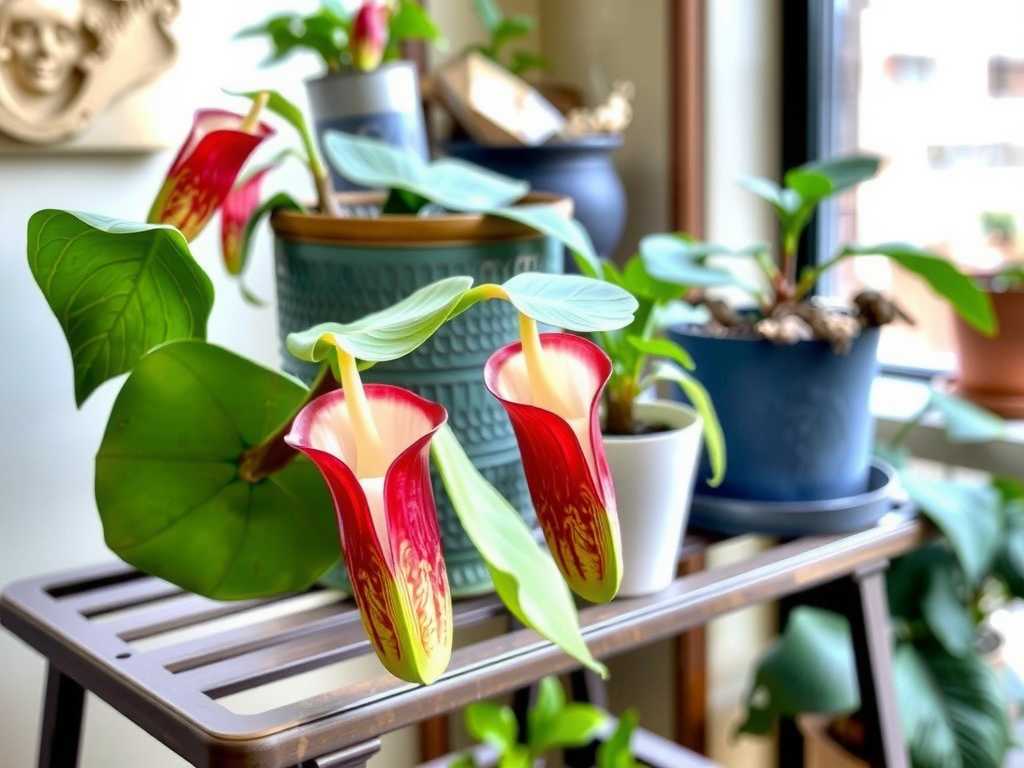
You cannot fight nature, so work with it. For most balcony growers, starting with hardy, adaptable hybrids is the key to success. Avoid the ultra-highland or lowland species that demand strict conditions.
Ideal Beginner Varieties for Balconies Focus on robust intermediates and hybrids known for their tolerance. Nepenthes x ventrata is the undisputed champion for beginners. It’s forgiving, grows quickly, and pitchers reliably in a wide range of conditions. Nepenthes ‘St. Gaya’ and Nepenthes ‘Bloody Mary’ are also excellent choices, offering stunning color and proven resilience. These plants have been bred for vigor, making them perfect for the variable environment of a balcony.
Where to Source Healthy Plants Always purchase from reputable carnivorous plant nurseries, not generic garden centers. Experts like those at California Carnivores or Carnivero not only provide healthy, well-established plants but also offer invaluable species-specific advice. As horticulturist and author Peter D’Amato notes, “Starting with a plant adapted to less-than-perfect humidity gives the new grower an instant advantage and a confidence boost.”
Mastering the Four Pillars of Balcony Care
Success hinges on balancing four core elements: light, water, humidity, and substrate.
Optimal Light Exposure and Acclimation Nepenthes need bright, filtered light. Direct, scorching afternoon sun on a south or west-facing balcony can burn leaves. East-facing balconies with morning sun are often ideal. For harsher exposures, use a 30-50% shade cloth. It diffuses light, creating the dappled sunlight of a forest canopy. Crucially, always acclimate new plants. Gradually introduce them to your balcony light over 2-3 weeks to prevent shock.
Watering Practices for Container Growth Forget everything you know about watering houseplants. Nepenthes hate mineral-rich water. Tap water, with its dissolved salts, will slowly poison them. You must use only rainwater, distilled water, or reverse osmosis water. Water thoroughly until it runs freely from the drainage holes, then allow the substrate to become slightly damp—not bone dry—before watering again. The goal is consistently moist, not soggy. A moisture meter can remove the guesswork.
Creative Humidity Solutions for Dry Air Low humidity is the main reason Nepenthes fail to produce pitchers. The pitcher is a humidity-dependent organ. You must artificially raise the local humidity.
- The Tray Method: Place your pot on a wide, shallow tray filled with pebbles and a half-inch of water. The pot sits above the water, and evaporation creates a humid microclimate.
- Grouping Plants: Cluster your Nepenthes with other plants. Their collective transpiration raises humidity in the immediate area.
- Protective Enclosures: For very dry or windy balconies, consider a mini-greenhouse cabinet or a clear plastic storage bin with ventilation holes. This creates a controlled, humid environment.
The Perfect Potting Mix Never use garden soil or standard potting mix. Nepenthes are epiphytes requiring an airy, acidic, nutrient-free medium. A standard and effective mix is a 1:1 ratio of long-fiber sphagnum moss to orchid bark or perlite. This provides moisture retention, aeration, and excellent drainage. Re-pot every 1-2 years to refresh the medium.
Seasonal Management and Troubleshooting
Your care must change with the seasons. Summer may require more frequent watering and shading. Winter is the biggest test.
Overwintering Nepenthes on a Balcony This depends entirely on your USDA Hardiness Zone. If your balcony temperatures consistently drop below 50°F (10°C), you must bring plants indoors. A bright, humid bathroom window or a grow tent with LED lights works perfectly. For milder climates (Zone 9+), many hardy hybrids can tolerate brief dips into the 40s if kept drier. Always research your specific plant’s tolerance.
Common Problems and Their Fixes
- No Pitchers: The #1 sign of low humidity or insufficient light. Review your humidity strategies and light exposure.
- Brown Leaf Tips: Usually caused by low humidity or, less commonly, using tap water.
- Yellowing Leaves: Can indicate overwatering, poor drainage, or natural senescence of old leaves.
- Pests: Watch for aphids or mealybugs. Treat with a diluted insecticidal soap spray, ensuring you rinse the pitchers afterward to avoid harming them.
What is the easiest Nepenthes to grow on a balcony? Nepenthes x ventrata is universally considered the easiest and most adaptable. It’s a prolific grower and pitcher producer, tolerating a wider range of humidity and temperature fluctuations than most other varieties, making it the perfect balcony starter plant.
Can I use tap water if I let it sit out overnight? No. Letting water sit only evaporates chlorine, not the dissolved mineral salts (like calcium and magnesium) that are harmful to Nepenthes. These salts accumulate in the potting mix and damage the roots. Consistent use of rainwater, distilled, or reverse osmosis water is non-negotiable for long-term health.
My plant is growing vines but no new pitchers. What’s wrong? This is almost always an environmental signal. Vining growth without pitchers typically means the plant has enough light and water to grow vegetatively, but the humidity is too low to trigger pitcher formation. Focus on boosting local humidity with pebble trays, grouping plants, or partial enclosure. Also, ensure it’s receiving enough bright, indirect light.
Growing Nepenthes on an apartment balcony is a exercise in microclimate management. It requires observation, adaptation, and a commitment to mimicking their native tropical habitat. By choosing the right hardy hybrids, mastering the balance of filtered light, pure water, and boosted humidity, and adjusting your care with the seasons, you can achieve the impossible. Your balcony can transform from a concrete ledge into a captivating display of living sculpture, where each new pitcher is a testament to your successful partnership with these remarkable plants.





