 bluename
How to Care for Nepenthes in USDA Zone 8 for Spring Planting: A Grower’s Diary
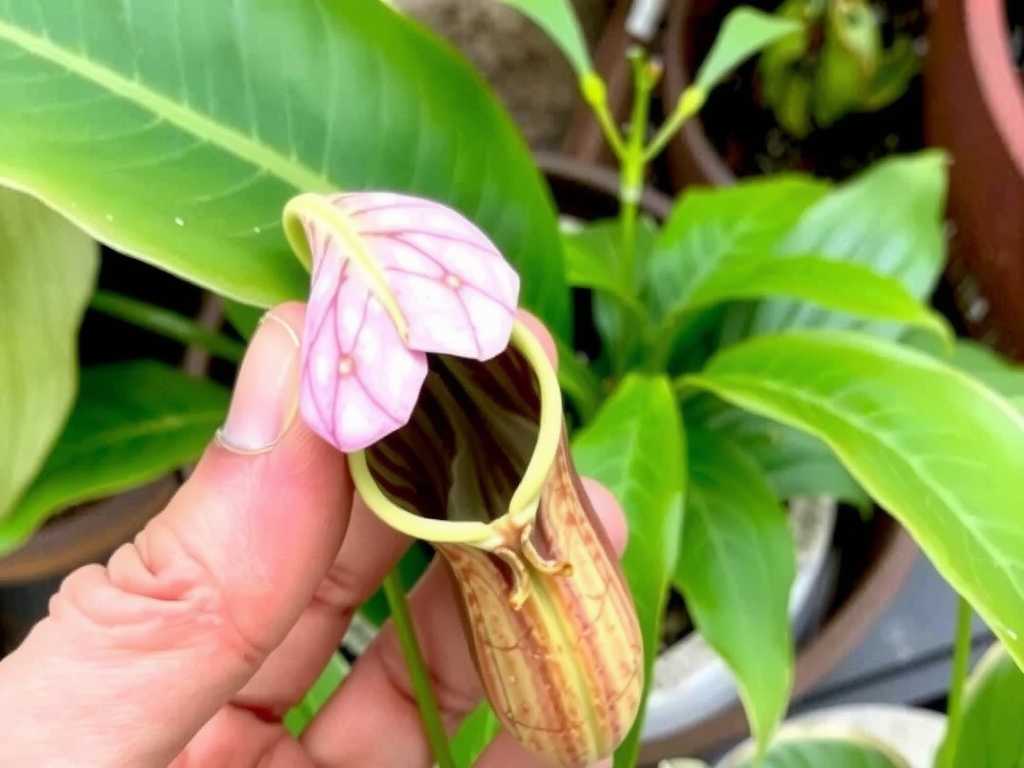
Spring in USDA Zone 8 is a season of both promise and peril for gardeners like me. The last frost whispers a retreat, and the urge to get tropical treasures like pitcher plants (Nepenthes) out into the warming air is almost overwhelming. But that’s the precise moment where many of us, lulled by the sunshine, make costly mistakes. I know because I’ve made them. The heartbreak of watching a prized Nepenthes, nurtured indoors all winter, succumb to a late cold snap or simply fail to thrive in our unique climate is a real pain point. For years, I struggled with the balance. My pitchers would brown, growth would stall, and the spectacular traps I longed for were absent. It felt like a constant battle against the elements.
Then, I decided to treat a spring planting not as a single event, but as a carefully managed two-week transition and beyond. I focused on adapting general Nepenthes care principles to the specific challenges of Zone 8’s spring—its fluctuating temperatures, variable humidity, and intense, often sudden, sunlight. This guide is the result of that hands-on, trial-and-error journey. I’ll walk you through my exact process, the results I observed over a critical 14-day period, the pitfalls I encountered, and the solutions that finally led to vigorous growth and happy, pitcher-producing plants.
Understanding the Zone 8 Spring and Your Nepenthes
First, let’s define our arena. USDA Zone 8, with average minimum winter lows of 10-20°F, is far from the steamy, equatorial highlands or lowlands where most Nepenthes originate. Our spring is not their native habitat. According to the American Pitcher Plant Society (APPS), the key to success with Nepenthes in non-tropical climates is understanding and replicating their core needs: bright, filtered light, consistently high humidity, moist but well-aerated soil, and, crucially, stable warm temperatures. Spring here directly threatens two of these: temperature stability and humidity.
My goal for spring planting isn’t about putting them in the ground—most Nepenthes are best kept in pots for control. It’s about successfully moving them from their protected winter indoor spot to a permanent, favorable outdoor location for the growing season. This transition is the most critical phase.
My Two-Week Spring Transition Protocol
I developed this protocol using a robust Nepenthes x ventrata, a common and relatively forgiving hybrid, as my test subject. The principles apply to many intermediate and highland hybrids suitable for Zone 8.
Week 1: The Acclimation Phase (Days 1-7)
The biggest mistake is going from a windowsill to full patio sun in one day. It’s a recipe for severe leaf scorch.
- Day 1-3: The Shady Introduction. On a consistently mild day where nighttime forecasts are securely above 50°F, I placed my Nepenthes in its pot in a fully shaded, sheltered spot on my north-facing patio. This spot is protected from wind. The purpose here is purely to acclimate it to outdoor temperature swings and breeze, not to light. I watered it thoroughly with rainwater the morning of the move. Humidity is often higher outdoors, which the plant immediately enjoyed.
- Observation & Pitfall (Day 2): I noticed the surface of the sphagnum moss dried faster than indoors, even in shade. The breeze was accelerating evaporation. Solution: I began a routine of checking surface moisture daily, not just by a weekly schedule. Light misting of the moss (not the pitchers) in the morning helped.
- Day 4-7: Introducing Dappled Light. After three days with no signs of stress (no wilting or reddening), I moved it to a spot that receives only gentle, dappled morning sun—perhaps 1-2 hours through a tree filter. The rest of the day remains bright but shaded. This begins the crucial light acclimation.
- Observation (Day 5-7): I observed the newest leaf growth appeared to tighten up and become slightly more robust. The plant was responding positively to the stronger, full-spectrum light compared to my grow lights. No new pitchers yet, but existing ones remained plump.
Week 2: Ramping Up and Problem-Solving (Days 8-14)
This is where confidence can lead to a misstep. Patience remains key.
- Day 8-10: Increasing Sun Exposure. I moved the plant to a location where it receives 3-4 hours of direct, but preferably morning, sun. An east-facing location is ideal. I am now vigilant about watering, as the increased light and warmth increase consumption.
- The Major Pitfall Encountered (Day 9): A surprise weather forecast predicted an unseasonal overnight low of 42°F. This is the Zone 8 spring gamble. Solution: I did not panic and bring it back into a hot, dry house. Instead, I moved it to my sheltered, insulated garage for just that night. A sudden return to dry indoor air can shock the plant as much as chill. A frost cloth or temporary plastic cover can also work if the plant is too large to move easily.
- Day 11-14: Stabilization and Monitoring. After the cold scare, temperatures stabilized. I returned the plant to its 3-4 hour sun location. I began to see the first tangible sign of success: the tendril at the end of a newly hardened leaf began to swell. A new pitcher was initiating!
- Observation (End of Week 2): The plant was fully acclimated. Leaves were a healthy, vibrant color with no burn. The growth point was active. Most importantly, that swelling pitcher was confirmation the plant was not just surviving, but thriving in its new environment. The two-week transition was complete.
Long-Term Spring and Summer Care in Zone 8
With the plant acclimated, ongoing care shifts to optimizing conditions for pitcher production and growth.
Creating the Ideal Microclimate
Our ambient humidity is often too low. Grouping plants together creates a beneficial microclimate. I place my Nepenthes pot on a wide, shallow tray filled with pebbles and water (the pot sits on the pebbles, not in the water). As the water evaporates, it locally boosts humidity. For expert validation, the International Carnivorous Plant Society (ICPS) notes that while some tough hybrids tolerate lower humidity, consistent humidity above 50% is a primary driver for reliable pitcher formation.
The Right Soil and Watering Rhythm
Never use garden soil or standard potting mix. I use a mix of long-fiber sphagnum moss, orchid bark, and perlite (about a 50:30:20 ratio). This is airy, moisture-retentive yet fast-draining. I water with distilled water or rainwater only, keeping the medium consistently damp but never soggy. In the increasing spring heat, this often means watering every 2-3 days. I always water until it flows freely from the drainage holes.
Feeding: A Controversial but Helpful Tip
Nepenthes get nutrients from their pitchers. But what if they aren’t producing many yet? I learned a technique discussed by expert growers like those at the San Diego Carnivorous Plant Society: very occasionally, I use a highly diluted (1/4 strength) orchid fertilizer, applied as a mist to the leaves only, once a month during active growth. I never pour it into the soil. This gave my plants a boost until their own pitcher traps became functional. Important: This is an advanced technique; when in doubt, skip it. Over-fertilization is a sure killer.
What to Do When Pitchers Dry Up
It’s normal for old pitchers to brown and die, especially after an environmental change. If new pitchers are drying before opening, it’s almost always a low humidity issue. Re-evaluate your microclimate strategies. Misting the developing pitcher lightly can sometimes help it over the hump.
Common Questions from Fellow Zone 8 Growers
Can I leave my Nepenthes outside year-round in Zone 8? Almost certainly not. While our winters are mild, even the hardiest Nepenthes hybrids cannot withstand a freeze or prolonged temperatures near or below freezing. They must be brought indoors or into a heated greenhouse before the first fall frost. My rule is to bring them in when nighttime temps consistently dip below 50°F.
Which Nepenthes species or hybrids are best for our climate? Focus on intermediate and highland species hybrids, as they appreciate the cooler nights our springs and falls provide. Nepenthes x ventrata, N. maxima hybrids, N. sanguinea, and N. fusca hybrids have all performed well for me. Avoid true lowland species like N. ampullaria or N. bicalcarata, which require constant, intense heat.
My plant survived but isn’t producing pitchers. What am I missing? The most common culprits are insufficient light and low humidity. After acclimation, Nepenthes need several hours of direct or very strong filtered light daily. If light is adequate, double down on humidity tricks—the pebble tray, grouping plants, or even using a small outdoor humidifier in a very sheltered corner. Patience is also key; pitcher production often resumes strongly once the plant is fully settled and in active summer growth.
Success with Nepenthes in Zone 8 is a testament to the gardener’s skill in microclimate creation. It requires respecting the plant’s needs while cleverly navigating the local climate’s quirks. That two-week spring transition period is your most important investment. By gradually introducing your plant to the great outdoors, diligently monitoring water and weather, and creating a humid, bright pocket for it to call home, you can enjoy the incredible spectacle of these carnivorous wonders right in your own garden. The moment that first perfectly formed pitcher unfurls under the open sky, you’ll know the careful effort was worth it.





