 bluename
How to Treat Nepenthes Pests Common in North American Gardens
There’s nothing quite as disheartening for a carnivorous plant enthusiast as watching a prized Nepenthes, a plant evolved to be the predator, become the prey. You’ve provided the perfect humidity, the right light, and that delicate balance of pure water, only to find tiny invaders setting up camp on your pitcher plant. If you’re in North America and have noticed strange spots, webbing, or a general decline in your tropical pitcher plant’s health, you’re not alone. I’ve been there, staring at a beautiful Nepenthes ventrata suddenly speckled with damage, feeling a mix of concern and frustration. In this guide, I’ll walk you through exactly how I identified and eradicated two of the most common pests plaguing North American Nepenthes growers: spider mites and scale insects. This isn’t just theory; it’s a battle-tested, two-week protocol born from my own mistakes and eventual success.
Understanding Your Enemy: Common Culprits in Our Collections
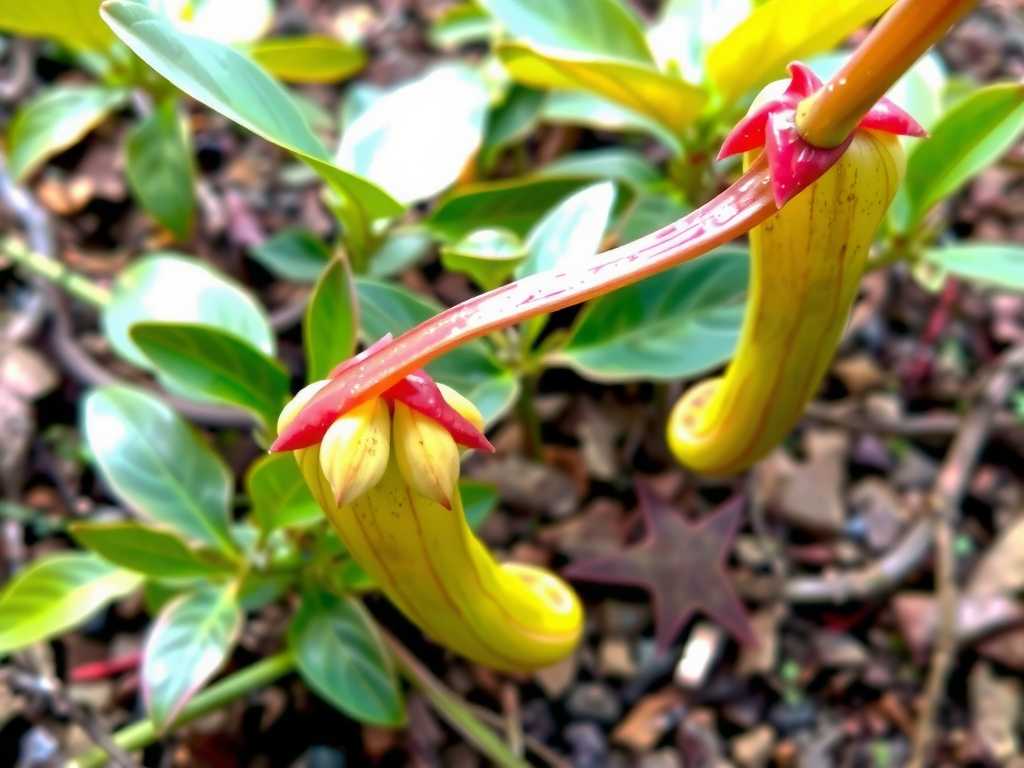
Before you can fight an infestation, you need to know what you’re up against. In our indoor grow spaces, greenhouses, and outdoor summer setups, a few pests are particularly prevalent.
The Sneaky Sap-Suckers: Spider Mites These are arguably the most common and destructive pest for indoor Nepenthes. They’re not insects but arachnids, tiny and often unnoticed until their damage is severe. I first spotted them as faint, dusty-looking speckling on the upper surfaces of leaves. Upon closer inspection with a 10x jeweler’s loupe—a crucial tool—I saw the telltale signs: microscopic, moving dots and the finest silken webbing, especially where the leaf meets the stem or under the leaf rim. They pierce plant cells and suck out the chlorophyll, leaving behind a stippled, pale appearance. The American Horticultural Society (AHS) notes that spider mites thrive in warm, dry conditions, which can ironically occur even near our humidifiers if there are stagnant air pockets.
The Stubborn Shields: Scale Insects Scale can be trickier. They often look like small, brownish or tan bumps on stems and the backs of leaves. I mistook a small infestation for a bit of hardened sap or a natural blemish for far too long. There are two main types: soft scale and armored scale. The immobile adults latch on and feed, while the tiny “crawlers” move to new locations. Their feeding weakens the plant and can lead to sooty mold growth on the sticky honeydew they excrete. According to resources from reputable societies like the Royal Horticultural Society (RHS), scale insects are a persistent problem because their protective shell makes them resistant to many contact sprays.
A Note on Fungus Gnats While more a nuisance than a direct threat to healthy Nepenthes, fungus gnat larvae in the soil can damage delicate new roots. Their presence often signals overly moist media. I include them here because an integrated pest management approach means addressing the entire environment.
My Two-Week, Step-by-Step Treatment and Observation Journal
When I confirmed a combined, light infestation of spider mites and scale on my Nepenthes sanguinea, I committed to a full two-week process. Consistency is key, as most treatments only affect the mobile nymphs and adults, not the eggs.
Week 1: The Initial Assault and a Critical Mistake
Day 1-2: Isolation and Physical Removal My first step was immediate isolation. I moved the affected plant to a separate room, away from my main collection. For the scale, I took a cotton swab dipped in 70% isopropyl alcohol and gently dabbed every single bump I could find. The alcohol dissolves the waxy coating, killing the scale on contact. For the spider mites, I gave the entire plant a thorough shower under lukewarm water in my sink, gently washing the leaves to dislodge mites and webbing. This physical removal is a vital first strike.
Day 3: The First Chemical Treatment – My Error Here’s where I made my first big mistake. Eager to hit hard, I used a premixed insecticidal soap spray. However, I failed to test it on a single leaf first and applied it in the late afternoon when the plant was still in bright light. Within hours, the newest, most tender leaves showed signs of phytotoxicity—black, burned edges. I had stressed the plant further. The fix: I immediately rinsed the plant again to dilute any residual soap. I learned that any treatment, even organic ones like insecticidal soap or horticultural oil, must be applied in the cooler, dimmer evening hours and always tested on a small area first.
Day 5: Switching to a Safer, Targeted Approach After the plant recovered for a day, I applied a new treatment. I switched to a dedicated miticide/insecticide containing natural, plant-derived pyrethrins, which are often recommended for use on delicate plants when used correctly. Following the label to the letter, I sprayed thoroughly, ensuring I hit the undersides of leaves and stem junctions. I placed the plant in a shady recovery spot for the night.
Week 2: Persistence and Breaking the Cycle
Day 8: The Second Application and Close Observation Spider mite eggs hatch on a 3-5 day cycle. To catch the next generation, a second application 5-7 days after the first is non-negotiable. On Day 8, I repeated the pyrethrin spray treatment exactly as before. During my daily inspection with the loupe, I saw a drastic reduction in mobile mites. The alcohol-dabbed scale spots had dried up and fallen off.
Day 10-12: Introducing Biological Controls To bolster my defense and add a sustainable layer of protection, I introduced a biological control agent: Amblyseius californicus predatory mites. These are harmless to plants and humans but voracious predators of spider mite eggs and juveniles. I ordered them online and gently sprinkled the bottle’s contents on the leaves. This is a fantastic, long-term strategy endorsed by integrated pest management (IPM) principles. The RHS highlights the effectiveness of predatory mites in enclosed environments like terrariums or grow tents.
Day 14: Assessment and Reintegration After two weeks, my N. sanguinea showed no signs of living pests. New growth was emerging clean and healthy, with no stippling. The old damage remained—a reminder—but did not spread. I kept the plant isolated for another three days of observation before cautiously returning it to its usual spot, now as a vigilant monitor for any outbreaks.
Building a Fortress: Prevention is Always Better Than Cure
Winning the battle is one thing; preventing the war is another. My infestation likely came from a new plant I brought home without quarantining. Here’s my new, non-negotiable protocol:
- Quarantine All New Plants: Every new arrival now spends a minimum of 30 days in a separate room. I inspect it thoroughly with my loupe before it ever nears my main collection.
- Optimize Plant Health: A stressed plant is a target. I ensure consistent humidity (using humidifiers and pebble trays), appropriate light (bright, indirect LED grow lights), and clean water. A strong Nepenthes is more resilient.
- Regular Inspection Ritual: Every weekend, I do a “pest patrol.” I look under leaves, at new growth, and around pitchers. Early detection makes everything easier.
- Maintain Airflow: Stagnant air favors pests. I use a small, oscillating fan on a low setting to provide gentle air circulation, which spider mites despise.
What’s the absolute safest treatment for a very young or delicate Nepenthes? For seedlings or recently rooted cuttings, the safest first step is always mechanical removal. Use a strong jet of water or a soft brush dipped in soapy water (castile soap works well) to physically dislodge pests. Dabbing scale with alcohol on a fine brush is also effective. Hold off on any sprays until the plant is more established, and always test first.
I’ve treated my plant, but the brown spots from the damage remain. Will they go away? No, the existing leaf damage will not heal or turn green again. The damaged tissue is permanent. Don’t be discouraged—this is normal. Your focus should be on the new growth. If the new leaves emerging from the crown are clean and healthy, your treatment was successful. You can only trim off fully browned leaves.
Can I use systemic insecticides in my Nepenthes soil? I strongly advise against it. Systemic insecticides are taken up by the plant’s roots and distributed throughout its tissues, including the nectar and digestive fluids of the pitchers. Nepenthes are carnivorous; their pitchers are designed to trap and absorb nutrients from insects. Introducing systemic chemicals can contaminate this process and may harm the very ecological function of the plant. Stick to contact treatments and biological controls.
Dealing with pests is an almost inevitable part of the Nepenthes growing journey in North America. The key is not to panic but to act methodically and persistently. By correctly identifying the pest, employing a staged treatment plan over a minimum two-week period, and learning from missteps like improper spray application, you can rescue your plant. Ultimately, shifting your focus from reactive treatment to proactive prevention—through quarantine, optimal care, and regular inspections—will save you endless trouble and keep your carnivorous collection thriving, pest-free, and producing those magnificent, intricate pitchers we all love to see.





