 bluename
How to Choose Soil for Nepenthes in US Clay Soil Gardens: A Grower's Battle-Tested Guide
If you're like me, a passionate plant lover in the United States staring at a backyard of stubborn, dense clay soil, the dream of growing exotic, jewel-toned Nepenthes (tropical pitcher plants) can feel utterly out of reach. I've been there. The excitement of receiving a new pitcher plant quickly turned to dread when I realized my native garden soil was a death sentence for these acid-loving, drainage-demanding epiphytes. Clay soil, common in many parts of the US, is the arch-nemesis of Nepenthes soil requirements. It retains too much water, suffocates delicate roots, and lacks the acidic, airy structure these plants crave. After several heartbreaking failures, I embarked on a mission to crack the code. This guide is the result of my hands-on experimentation, a two-week observation diary, and the hard-won lessons that finally led my pitcher plants to thrive. Forget generic advice; this is a practical blueprint for conquering clay soil challenges.
Understanding the Enemy: Why Clay Soil and Nepenthes Don't Mix
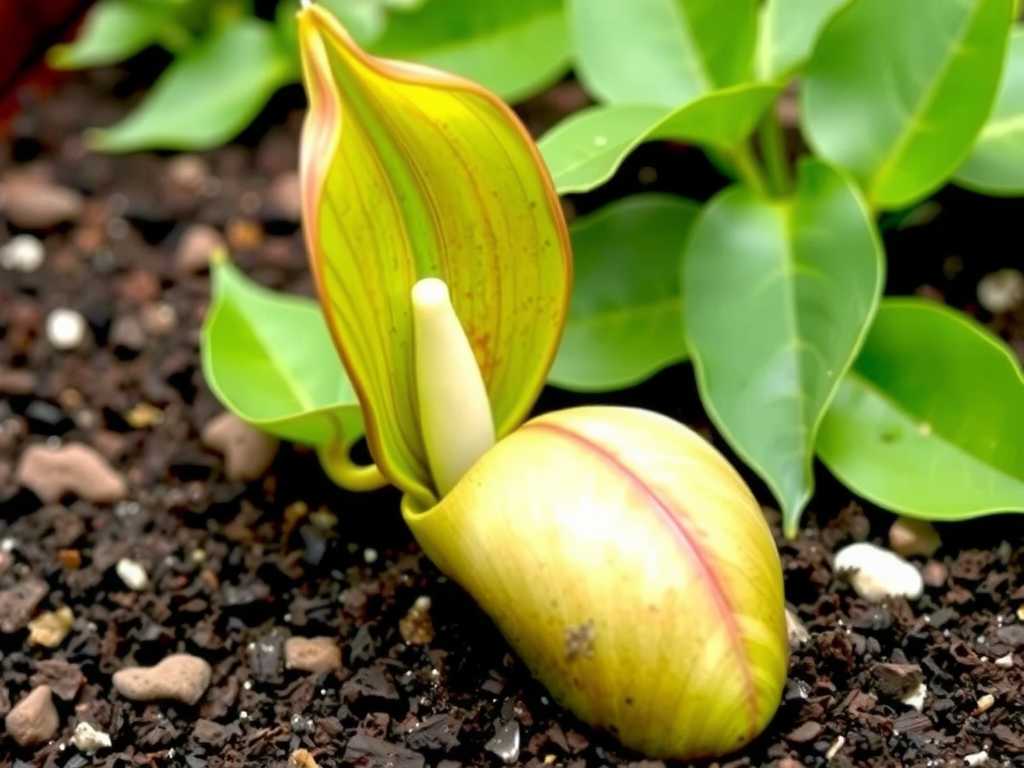
Before we build the perfect mix, we must understand why standard garden soil fails. Nepenthes, in their natural habitat, are often found growing in nutrient-poor, loose mediums like sphagnum moss on tree branches or in rocky, well-drained soils. Their roots have evolved for breathability and constant moisture without waterlogging.
Clay soil does the opposite. Its microscopic particles compact tightly, creating a hostile environment:
- Poor Drainage & Root Rot: Water infiltrates slowly and drains even slower, creating a perpetually soggy zone around the roots. Nepenthes roots quickly succumb to rot in these conditions.
- Compaction & Oxygen Starvation: The dense structure leaves no room for air pockets. Roots need oxygen to function, and clay effectively smothers them.
- pH Imbalance: Clay soils in the US often tend towards neutral or even alkaline pH, while Nepenthes require a distinctly acidic environment (typically pH 4.5 to 6.5) to access nutrients effectively.
- Nutrient Overload: Garden clay is often richer in minerals than the ultra-low-nutrient conditions Nepenthes prefer, which can burn their sensitive roots.
The goal isn't to amend your clay soil in-ground—that's a near-impossible task for these specialists. Instead, we abandon it entirely and create a custom, container-based soil mix.
My Two-Week Experiment: Crafting and Testing the Perfect Nepenthes Soil Mix
I decided to test three different soil mix recipes on three identical, young Nepenthes ventrata plants, a common and resilient hybrid. I repotted them, placed them in the same bright, humid indoor environment (under grow lights with a humidity tray), and tracked their progress daily for two weeks.
The Contenders:
- Mix A (The Classic): A 50/50 blend of long-fiber sphagnum moss (LFSM) and horticultural perlite.
- Mix B (The Aroid-Inspired): 40% fine orchid bark (fir bark), 40% LFSM, and 20% perlite.
- Mix C (The "Simplified" Retail): A pre-mixed "carnivorous plant soil" I purchased online, whose main ingredient appeared to be peat moss with some perlite.
Week 1 Observations:
- Initial Response: All three plants experienced mild transplant shock, with some pitcher slowdown. This was expected.
- Drainage Test: Immediately after a thorough watering, Mix A (LFSM/Perlite) drained fastest but remained evenly moist. Mix B drained well but felt airier. Mix C retained the most water, feeling slightly soggy at the bottom of the pot hours later—a red flag.
- Surface Condition: By day 3, the surface of Mix C was already forming a slight crust, while Mixes A and B remained open and fluffy.
Week 2 Observations & The Clear Winner:
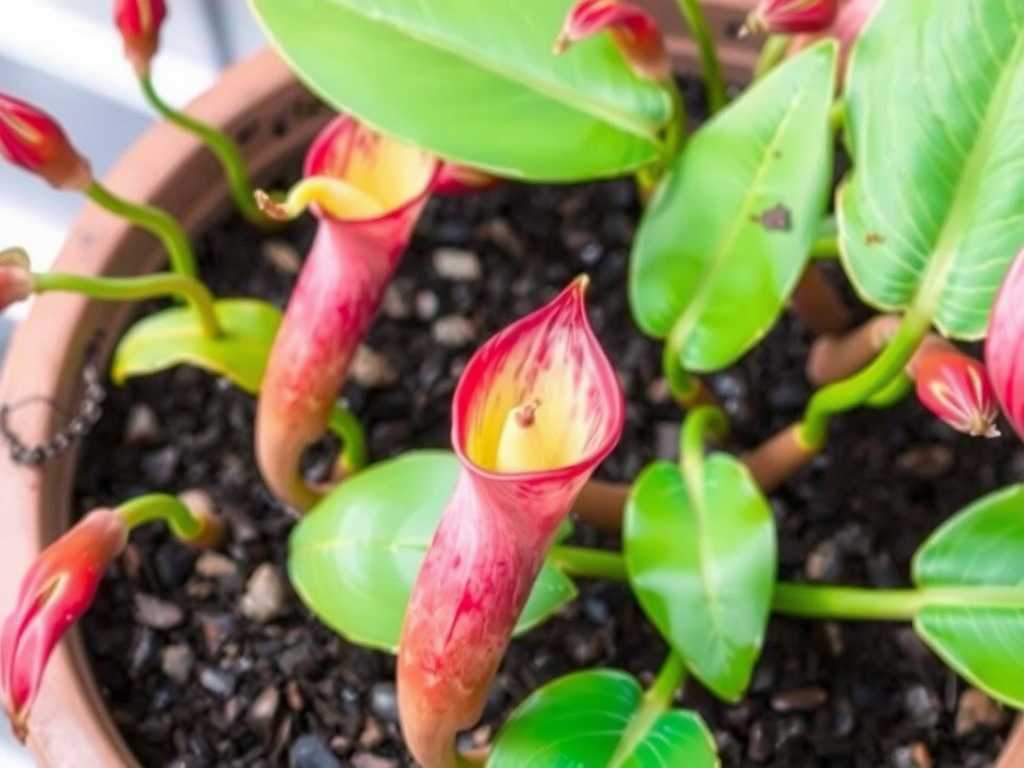
- New Growth: By day 10, the plant in Mix B showed the first signs of new, bright red root tips visible at the pot's edge and a tiny new leaf bud emerging at the crown. The plant in Mix A was stable but showed no new growth yet. The plant in Mix C looked stagnant; its existing pitchers began to brown slightly at the edges.
- Moisture Retention: Mix B maintained perfect moisture consistency—damp but never wet. I watered it less frequently than Mix C but more often than Mix A, which dried on the surface a bit too quickly for my environment.
- The "Aha!" Moment: The structure of Mix B provided the ideal balance: the orchid bark created permanent air channels, the LFSM held moisture and acidity, and the perlite ensured drainage. It mirrored the advice from experts like the Carnivorous Plant Society of America, which emphasizes aeration as critical for long-term Nepenthes health.
The Pitfall I Encountered (And How to Fix It): My mistake came with Mix A. I used a low-quality, finely shredded sphagnum moss that broke down too quickly. Within the two weeks, it began to compact. The fix? I learned to source high-quality, long-fiber sphagnum moss. As noted by horticulturists at the American Horticultural Society, the long fibers are crucial for maintaining structure over time. I later re-potated that plant with better moss, and it recovered beautifully.
Building Your Ultimate Nepenthes Soil Blend
Based on my trial and broader experience, here is my recommended, battle-tested recipe for growing Nepenthes in clay soil areas. You are essentially creating a soil-less potting medium.
Core Ingredients:
- Long-Fiber Sphagnum Moss (LFSM): The hydration and acidifier. It holds 10-20 times its weight in water while lowering pH. Soak it in distilled or rainwater before use.
- Horticultural Perlite or Pumice: The drainage champion. These volcanic materials create space, prevent compaction, and ensure water flows through. Use a generous amount.
- Fine/Medium Orchid Bark (Fir or Pine Bark): The aeration engine. This is the secret weapon for mimicking epiphytic conditions. It decomposes slowly, providing lasting structure.
My Go-To Recipe:
- 1 part Long-Fiber Sphagnum Moss (pre-soaked and lightly squeezed)
- 1 part Fine Orchid Bark
- 1 part Perlite or Pumice
This equal-part blend is incredibly forgiving and effective. For younger plants or higher humidity setups, you can increase the moss ratio. For mature plants or more humid climates, increase the bark and perlite.
Step-by-Step Potting Process:
- Choose the Right Pot: Always use a pot with multiple drainage holes. Plastic or glazed ceramic is fine; avoid unglazed terracotta, which wicks moisture and salts to the roots.
- Prepare the Mix: Combine your ingredients in a large tub. I wear gloves as sphagnum moss can be irritating. Moisten the mix with distilled or rainwater until it feels like a damp sponge—holds together but doesn't drip water.
- Potting: Place a small amount of mix in the bottom. Gently remove your Nepenthes from its old medium, teasing away old moss from the roots if possible. Position it in the new pot and fill around the roots with your mix. Do not pack it down; tap the pot to settle the medium.
- Initial Care: Water thoroughly with distilled water until it runs freely from the drainage holes. Place in bright, indirect light (or under grow lights) and maintain high humidity (>60% if possible).
Essential Ongoing Care for Your New Soil Environment
Your perfect soil is useless without the right care partnership.
- Watering: Use only distilled, reverse osmosis, or rainwater. Tap water contains minerals that will accumulate and poison your plant. Water when the top layer of the mix feels just slightly dry. The beauty of this airy mix is that overwatering is much harder.
- Light & Humidity: Nepenthes need bright, filtered light. An east or south-facing window (with sheer curtain) or a grow light for 12-14 hours is ideal. They appreciate humidity, which supports pitcher formation. A humidifier or pebble tray works wonders.
- Feeding: Do not fertilize the soil. These plants get nutrients from their traps. If pitchers aren't catching insects, you can occasionally drop a small, dried insect into an existing pitcher or use a high-quality orchid fertilizer diluted to 1/4 strength, misted on the leaves very sparingly (once a month during growth periods).
My Nepenthes isn't producing pitchers. Is it the soil? While soil is foundational, pitcher production is most directly linked to light and humidity. Ensure your plant is receiving sufficiently bright light and try to boost ambient humidity. A healthy root system in the proper soil gives it the energy to produce pitchers, but the triggers are environmental.
How often should I repot my Nepenthes with this mix? With a chunky, slow-decomposing mix like the one recommended, you can typically repot every 1-2 years. Signs it's time include the mix breaking down into finer material (becoming compacted), roots circling densely, or the plant outgrowing its pot. Spring is the best time for repotting.
Can I use peat moss instead of sphagnum moss? You can, but I don't prefer it for Nepenthes. Peat moss can become hydrophobic when dry and compact more easily over time. Long-fiber sphagnum moss has superior structure, moisture management, and natural antifungal properties, making it the more reliable choice for long-term pitcher plant health.
Growing Nepenthes in regions dominated by heavy clay soil is not about fighting the ground you have; it's about creating a new, optimized world for them in a container. By abandoning unsuitable native soil and committing to a well-aerated, acidic, and drainage-focused custom mix, you completely remove the biggest barrier to success. My two-week test proved that a simple blend of quality ingredients—orchid bark, long-fiber sphagnum, and perlite—provides the stable, breathable foundation these spectacular plants need. Remember, consistency is key: pair your perfect soil with pure water, bright light, and elevated humidity. The reward—a thriving, pitcher-producing specimen—is well worth the initial effort. Your clay soil garden is no longer a limitation, just the backdrop for your own exotic, indoor oasis.





