 bluename
How to Protect Nepenthes from US Spring Frost Damage Fast: A Grower’s Survival Guide
I’ll never forget the sickening crunch underfoot. It was a deceptively calm April morning after a clear, cold night. Walking to my greenhouse, I saw it—the tender new growth on my prized Nepenthes ventricosa, which had been thriving just hours before, was now limp, translucent, and blackened at the tips. A late spring frost had silently invaded, undoing months of careful cultivation. If you’re reading this, you likely know that gut-wrenching feeling or live in fear of it. Nepenthes, our beloved tropical pitcher plants, are exceptionally vulnerable to even brief dips below 50°F (10°C), let alone a hard frost. Their cells, adapted for steamy jungle floors, literally burst when ice crystals form. This guide isn’t just theory; it’s the hard-won, actionable plan I developed and tested over two intense weeks to shield my collection from the unpredictable spring frosts common across much of the United States. The goal is simple: learn how to protect Nepenthes from US spring frost damage fast and effectively.
Understanding the Enemy: Why Spring Frost is a Nepenthes Killer
Before we dive into the tactics, it’s crucial to understand what we’re up against. Spring frosts are particularly treacherous because they follow warming trends that encourage tender new growth. The plant’s metabolism ramps up, making it even more susceptible to a sudden freeze. According to the American Horticultural Society (AHS), which publishes detailed plant hardiness zone maps, a "frost" occurs when temperatures hit 32°F (0°C), but for Nepenthes, damage can begin in the mid-40s°F (7°C). The Royal Horticultural Society (RHS) notes that foliage damage from chilling injury is often immediate and irreversible, impacting the plant's ability to photosynthesize.
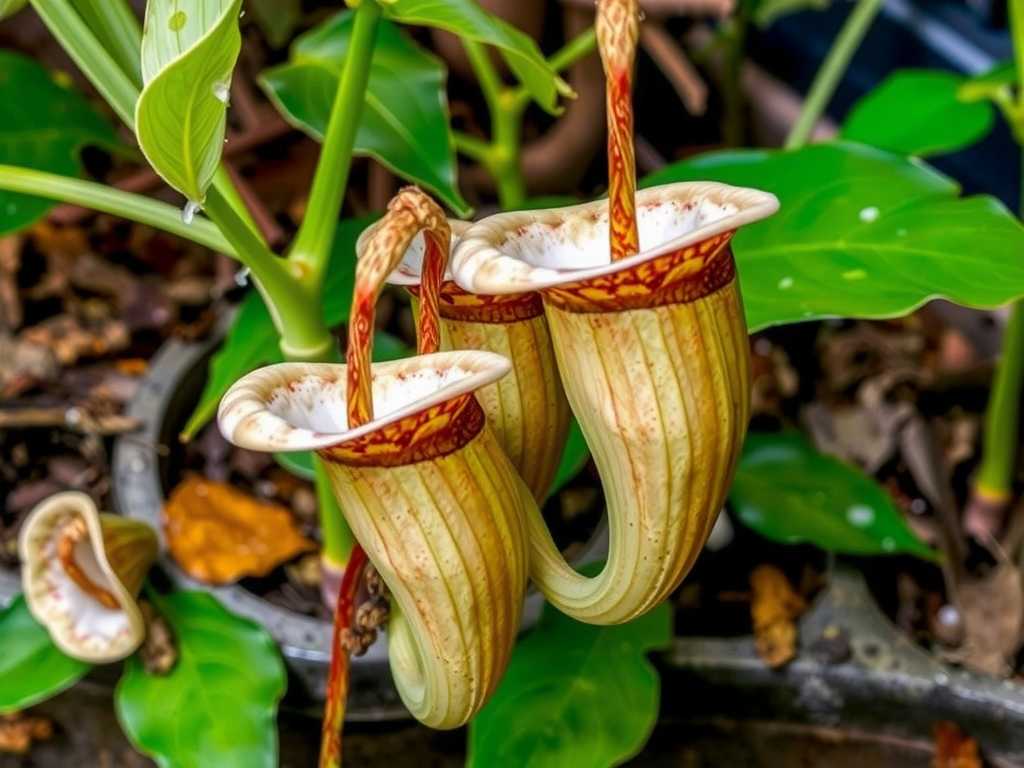
My own experience confirmed this. The damaged leaves didn’t recover; they became entry points for rot. The plant’s energy was diverted to survival, stalling pitcher production for the entire season. This isn’t just about aesthetics—it’s a significant physiological setback.
My 48-Hour Emergency Frost Protection Protocol
When the forecast calls for an unexpected temperature plunge, panic is not a plan. Here is the exact sequence I followed when my weather app alerted me to a 28°F (-2°C) night looming just two days away.
Step 1: Immediate Triage and Relocation (Day 1, Morning) First, I brought all my outdoor-acclimated Nepenthes inside. This seems obvious, but the "how" matters. I didn’t shove them into a dark closet. I placed them in my brightest, coolest interior room—a spare bathroom with a large north-facing window. The goal was to avoid a huge temperature shock while removing them from the imminent deep freeze. For plants in large, immovable greenhouse setups, I knew I needed a different strategy, which I’ll cover next.
Step 2: Creating a Microclimate Fortress (Day 1, Afternoon) For my greenhouse specimens and the few large hanging baskets I couldn’t move, I built a protective microclimate. I used PVC pipes and floral wire to create frames over the plants, then draped them with frost protection fabric (also called floating row cover). This was my first critical mistake and fix: on night one, I simply draped the fabric directly on the foliage. The cold still transferred where the fabric touched the leaves. The solution? Ensure the fabric is suspended, creating an insulating air gap. I also added a string of old-fashioned, non-LED incandescent Christmas lights (the small bulb kind) underneath the fabric. These emit just enough heat to raise the ambient temperature by a few critical degrees. Important: Do not use LED lights for this; they produce negligible heat.
Step 3: The Pre-Frost Hydration Balance (Day 1, Evening) Conventional wisdom says to water plants before a frost because moist soil retains heat better. For Nepenthes, this is a delicate dance. I watered the soil in the morning of the frost day, ensuring it was damp but not soggy by nightfall. Wet media combined with cold roots is a recipe for rot. I also lightly misted the surrounding area inside my frost cloth tent to slightly raise humidity, which can buffer temperature swings.
The Two-Week Observation: Recovery and Refinement
The frost hit as predicted. The morning after, the unprotected ground was white. Here’s what I observed over the following 14 days.
Days 1-3: Assessment and Damage Control Under the frost cloth, my plants were untouched. However, one Nepenthes x 'Miranda' in a corner where the fabric sagged showed minor edge burn. My brought-indoor plants were fine but already starting to stretch toward the light. A key finding: indoor relocation is best for 72 hours maximum to prevent etiolation. I also noticed condensation under the fabric, so each morning I lifted it to allow airflow and prevent fungal issues, securing it again in the late afternoon.
Days 4-10: Monitoring for Secondary Stress This is the period where hidden problems emerge. I watched for slowed growth or pitcher abortion as signs of residual stress. I resumed a very dilute fertilizer regimen for the stable plants to support recovery. One Nepenthes alata developed a small patch of mold on a petiole where moisture had settled—a lesson in the importance of that morning air-out. I treated it with a diluted hydrogen peroxide spray, and it recovered.
Days 11-14: Acclimation Back to Normal As nighttime temperatures stabilized above 50°F (10°C), I began the process of moving my indoor plants back outside. I did this gradually over 4 days—a few hours of morning sun first, then increasing exposure. A sudden move from indoor low light to full spring sun can scorch leaves, causing a different kind of damage. By the end of the two weeks, all protected plants were actively growing again, with no long-term setbacks.
Essential Tools for Your Anti-Frost Arsenal
Based on my trial, here are the non-negotiable items for fast frost protection for Nepenthes:
- Frost Cloth (Row Cover): Get the 30-gram weight or heavier. It allows light and water penetration while offering 4-8 degrees of protection.
- Frame Material: PVC, bendable wire hoops, or even tomato cages. The air gap is essential.
- Remote Thermometer/Hygrometer: I placed one under the frost cloth and one outside. Seeing the real-time 6-degree difference was reassuring and data-driven.
- Backup Heat Source: Incandescent holiday lights or a small, thermostat-controlled greenhouse heater for larger setups. Never use open flames or barbecues indoors or in enclosed spaces.
Proactive, Long-Term Strategies for Frost-Prone Climates
Reacting is one thing; being prepared is better. For growers in zones prone to spring frost damage to tropical plants, consider these adaptations:
- Strategic Placement: Grow your Nepenthes in containers that can be moved. Place them on wheeled trolleys for easy transport when threats arise.
- The "Frost Shed" Concept: I dedicated a small, insulated garden shed with a few grow lights as my emergency bunker. It stays cooler than my house but is safely above freezing.
- Plant Selection: While all Nepenthes are frost-tender, some hybrids like Nepenthes x 'Ventrata' have shown slightly better resilience to brief cold snaps in my experience than ultra-highland species. Research robust hybrids.
What is the lowest temperature a Nepenthes can survive? There’s no safe "low." Damage can start as high as 45°F (7°C) for some species. A hard freeze (below 32°F/0°C) for even a few hours can be fatal, especially if the plant is wet. The goal is to never test this limit.
Can I use a blanket or tarp instead of frost cloth? A blanket can work in a pinch and is better than nothing, but it’s heavy and blocks all light. A tarp traps moisture and creates a "radiant freeze" effect if it touches leaves. Frost cloth is a specialized tool for a reason—it’s the best option.
My Nepenthes got frosted. What do I do now? Move it to a stable, warm (70-80°F), bright location immediately. Do not prune the damaged foliage right away; let the plant reabsorb what it can from the damaged tissue. Only trim completely black, mushy parts with sterile tools after a week or so. Focus on providing optimal care to support new growth; the old leaves will eventually be replaced.
Protecting Nepenthes from the capricious cold of US springs is a blend of swift action, the right materials, and vigilant observation. It requires understanding that the threat isn’t just the night of the frost, but the stress that follows. By creating insulated microclimates, having a moving plan, and monitoring your plants closely for two weeks after the event, you can shepherd them through these dangerous periods without losing a single pitcher. The peace of mind, knowing your collection is safe, is worth far more than the effort it takes to secure a few sheets of fabric and set up a thermometer. Now, go check the ten-day forecast—your plants will thank you.





