 bluename
How to Water Nepenthes in the US Humid South This Summer: A Grower's Survival Guide
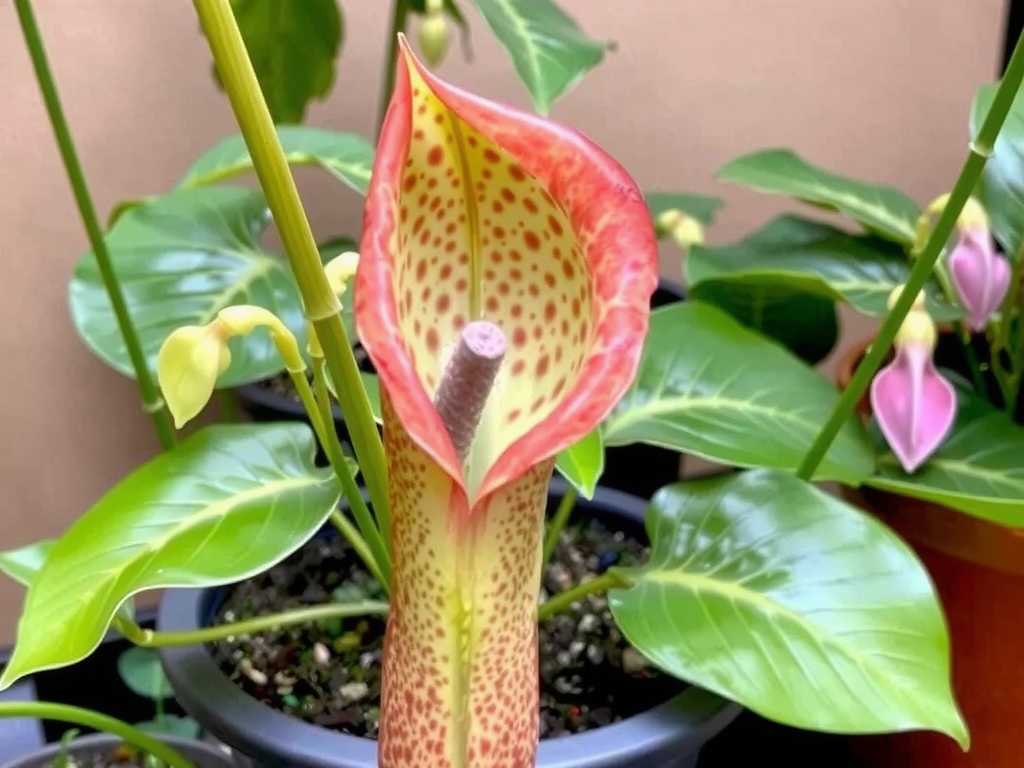
If you're like me, nurturing a collection of Nepenthes (tropical pitcher plants) in the steamy, relentless heat of the American South, you've probably felt that familiar pang of anxiety as summer approaches. The air gets thick enough to drink, and suddenly, the care sheet that came with your plant feels woefully inadequate. The classic advice—"keep the soil consistently moist and humidity high"—seems almost laughable here. Does "moist" mean a daily drenching in our swamp-like atmosphere? Or will that guaranteed afternoon thunderstorm provide all the water my highland hybrid needs? I’ve watched pitchers shrivel and leaves crisp, all while the potting medium felt damp to the touch. It’s a paradox that can frazzle any enthusiast. This summer, I decided to tackle this challenge head-on, developing a watering protocol specifically for our unique, humidity-saturated southern climate. What followed was a two-week experiment that transformed my approach and saved my plants from the perils of both drought and rot.
My core philosophy shifted from simply watering on a schedule to managing hydration in a saturated atmosphere. The goal isn't just to add water to the pot; it's to facilitate the right kind of evaporation and root oxygenation despite the external humidity. Here’s the step-by-step system I developed and rigorously tested.
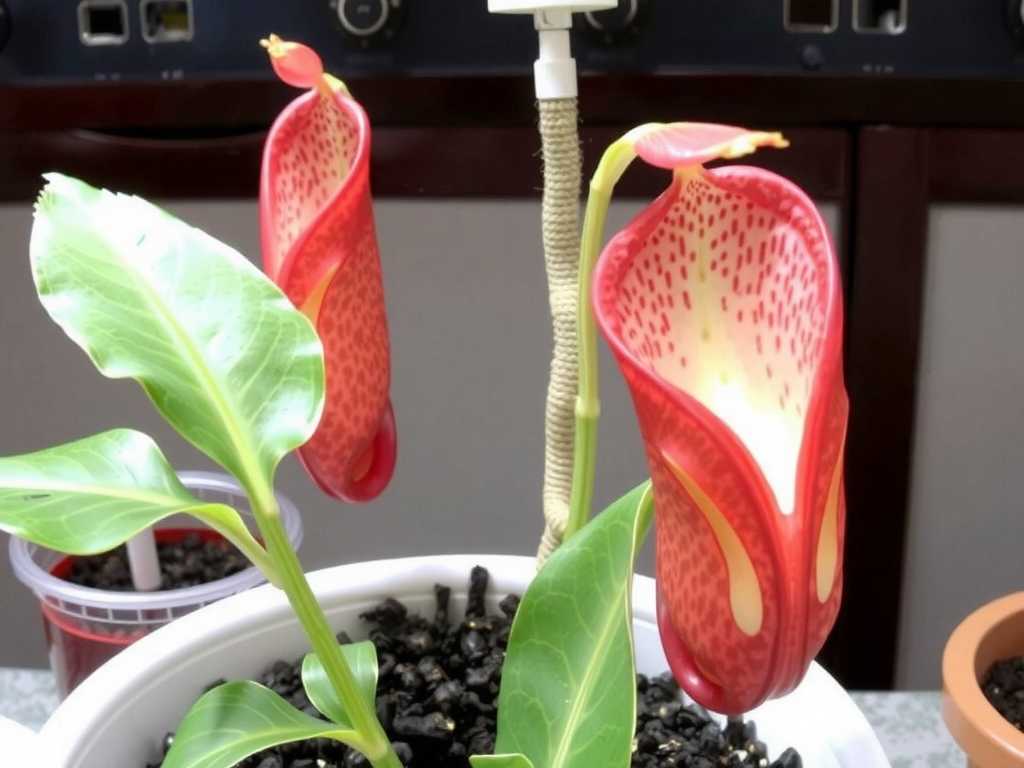
Understanding the Southern Summer Challenge
First, let’s define the enemy—or rather, the intense growing condition. The humid southeastern US, from the Carolinas down through Florida and across to Louisiana, presents a double-edged sword for Nepenthes. Humidity levels consistently hover between 70-90%, which seems ideal for these jungle plants. However, this external moisture drastically slows the evaporation rate from the potting medium. Combined with frequent, heavy rainfall, it creates a high risk of the roots staying too wet, too long, leading to root rot—a silent killer. As noted by the International Carnivorous Plant Society, excellent drainage and air circulation are non-negotiable for Nepenthes, a point that becomes critically urgent in our climate.
My Two-Week Watering Experiment: A Daily Log
I selected three representative plants for close observation: a moisture-tolerant Nepenthes x ventrata, a more sensitive highland hybrid (N. maxima x spectabilis), and a young N. sanguinea. I moved them to a shaded patio with excellent air movement but protection from direct, midday downpours.
Week One: Establishing a Baseline and Correcting Course
My previous method was a light top-watering every other day. I started with this to establish a baseline.
- Days 1-3: I watered lightly as usual. The media surface stayed dark and damp. The ventrata was fine, but the highland hybrid showed zero new pitcher development and the sanguinea’s newest leaf seemed slightly limp, not dry.
- Day 4: The "Aha" Moment and First Adjustment. I gently tipped a pot out of its container. The discovery was revealing: the top inch was moderately damp, but the bottom third of the root ball was cool and soggy. This was the heart of the problem—water wasn’t evaporating evenly; it was getting trapped. I immediately changed my tactic.
- New Protocol Initiated (Days 4-7): I ceased top-watering entirely. Instead, I adopted the "weight-and-lift" method. Every morning, I would lift each pot to feel its weight. Only when a pot felt distinctly light—not just "not heavy"—did I water. And when I watered, I did so deeply and decisively. I used room-temperature distilled water (absolutely crucial to avoid mineral burn) and poured slowly until a significant stream ran out of the drainage holes for a full 5-10 seconds. This served two purposes: it thoroughly flushed the medium, and it pushed out stale, oxygen-poor air from the root zone, pulling in fresh air as it drained.
- Day 7 Check-in: The frequency surprised me. Under this system, the plants only needed a deep water every 3 to 4 days, despite the heat. The sanguinea’s leaf perked up noticeably. The media surface was dry to the touch between waterings, but the core retained slight moisture.
Week Two: Observing the Recovery and Refinement
- Days 8-14: I continued the "lift and drench" method. The change was remarkable. The highland hybrid, which had been stagnant, pushed out a new, tiny tendril. The existing pitchers on all plants became turgid and glossy. Most importantly, there were no signs of yellowing or blackening at the base of the stems.
- The "Pot" in the Process: I cannot overstate the role of the container. Plastic pots, while common, can exacerbate moisture retention. Based on guidance from expert growers associated with the Carnivorous Plant Hub, I transitioned two plants to unglazed, porous terracotta pots. The difference in evaporation rate was dramatic. The terracotta "breathed," allowing moisture to wick through the walls, helping the medium dry more evenly and predictably. This was a game-changer for managing moisture in high humidity.
Essential Tools and Environmental Hacks
Your tools are as important as your technique.
- The Potting Mix is Paramount: A fluffy, fast-draining mix is your best defense. My recipe is a 50/50 blend of long-fiber sphagnum moss and horticultural perlite. The perlite is critical—it creates air pockets, preventing the sphagnum from compacting into a water-retentive brick. The American Horticultural Society’s guidelines on soil aeration reinforce this, stating that root health is directly tied to the oxygen available in the growing medium.
- Water Quality is Non-Negotiable: Tap water in most southern regions is far too high in dissolved minerals. I use only distilled water or reverse osmosis water. This prevents toxic salt buildup, which is accelerated by frequent watering and can scorch roots even in a "correctly" moist pot.
- Maximize Airflow: I used a small, oscillating fan on low setting near my patio plants. This artificial breeze mimics their natural canopy environment, cools the leaves, and—most crucially—accelerates surface evaporation from the potting media without dehydrating the plant itself. It’s the single best way to combat fungal issues in stagnant, humid air.
Troubleshooting: Signs You're on the Wrong Track
- Pitchers Drying Up: In high humidity, this is almost always a sign of dry roots, not dry air. Check your medium’s core. You may be underwatering due to a fear of rot, or your medium may have become hydrophobic (repelling water). If so, a thorough, slow drench in a bowl of water may be needed to re-wet it.
- Yellowing Lower Leaves, Stagnant Growth: This is the classic sign of overwatering and early root rot. Immediately stop watering. Check if the pot drains freely. You may need to repot into a fresher, airier mix and trim any black, mushy roots.
- Mold on Soil Surface: A clear sign of insufficient air circulation and excessive surface moisture. Increase fan speed, scrape off the mold, and consider a top dressing of a little extra perlite.
Common Questions from Fellow Southern Growers
Can I rely on rainwater to water my Nepenthes this summer? Absolutely, rainwater is excellent. However, be strategic. A light afternoon shower may not penetrate the canopy of leaves to reach the soil. Don’t assume a brief rain has watered your plant—still use the "lift" test. Conversely, after a day-long torrent, you likely won't need to water for 4-5 days. Avoid using water collected from asphalt roofs, as it can contain pollutants.
My home's air conditioning makes the indoors very dry. Does the outdoor humidity advice still apply? No, this changes everything. If your Nepenthes is indoors in air-conditioned dryness (often below 50% RH), you are dealing with a low-humidity environment. You will need to water more frequently (likely every 1-2 days) and will almost certainly need to employ a humidifier or a pebble tray to increase local humidity around the plant to encourage pitcher formation.
How do I know if my potting mix has gone "bad" and is causing problems? Sphagnum moss breaks down over time, becoming compact and acidic. If your mix, even when dry, feels matted, dense, and smells sour, it’s time for a change. Repotting into fresh long-fiber sphagnum and perlite in early summer can give your plant a healthy foundation for the stressful season ahead.
Success with Nepenthes in the humid South this summer hinges on embracing the contradiction: you must water thoroughly in a climate that seems already full of water. The key is to shift your focus from frequency to thoroughness and drainage. Let the weight of the pot be your guide, drench deeply when needed, and invest all your effort into creating an airy, breathable root environment through the right mix and pot. By prioritizing root health over ambient humidity, your plants will not just survive the summer steam bath—they will actively grow, rewarding you with the thrilling development of new, vibrant pitchers even in the heat.





