 bluename
How to Revive Nepenthes Affected by Temporary Underwatering in US Households
If your Nepenthes got bone-dry while you were away or just forgot to water it for a few days, don't panic yet. I've killed more pitcher plants than I'd like to admit, and the one thing I've learned is that temporary underwatering is far more fixable than most people think. The trick is to rehydrate slowly, not drown the plant overnight. Let me walk you through exactly what I did to bring back three Nepenthes that had crispy leaves and stalled pitchers after a hot week in my apartment.
I've been growing tropical pitcher plants for about six years now, and I still make mistakes. Last summer, I went on a five-day trip and came home to two of my Nepenthes looking like sad salad. The soil was bone-dry, the tendrils had wilted, and one pitcher was completely shriveled. I genuinely thought they were gone. But within two weeks, I saw new growth pushing out, and by week three, tiny pitchers were forming again. Here's how I did it.
Why Temporary Underwatering Hits Nepenthes So Hard
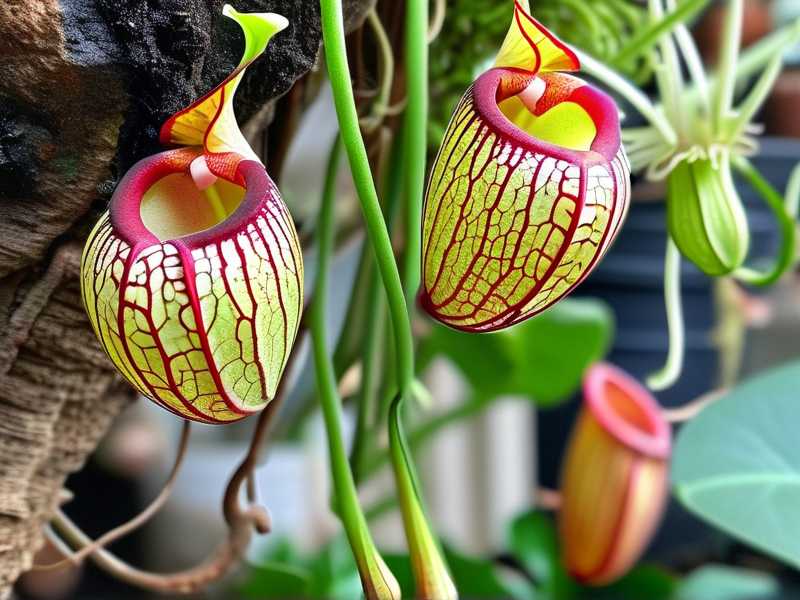
Nepenthes are tropical plants. Most of the ones we grow indoors come from humid jungle environments where the soil stays consistently moist. When the medium dries out completely, the plant's fine roots get damaged fast.
According to the Royal Horticultural Society (RHS), Nepenthes prefer evenly moist but well-draining compost, and sudden dryness can cause leaf scorch and root stress. The American Horticultural Society (AHS) also notes that these plants are sensitive to fluctuations in moisture, especially during active growth.
Translation? They hate drought. But they also hate sitting in a swamp.
Step 1: Check the Roots Before You Do Anything
Before you start dumping water into the pot, take a look at what's going on below the surface. I made the mistake once of assuming a dry plant just needed a big drink. Turns out the roots were already rotting from a previous overwatering, and the dry top was just a symptom.
Gently slide the plant out of its pot if you can. Healthy Nepenthes roots are dark and firm. If they're mushy or smell bad, you've got a bigger problem than underwatering.
If the roots look okay, you're in good shape. Move on to rehydration.
Step 2: Rehydrate From the Bottom, Not the Top
This is the single most important step. I used to just pour water over the top of the pot and call it a day. That's a mistake with Nepenthes.
Instead, set the pot in a shallow tray of water. Let it sit for 20 to 30 minutes. The soil will wick up moisture slowly. You want the medium to be evenly damp, not soaked.
I did this with my crispy plant and within two hours, the leaves started to feel less brittle. Not perfect, but noticeably better.
Step 3: Raise Humidity Immediately
Underwatering often comes with low humidity, especially in US homes with air conditioning or forced heat. Nepenthes need humidity above 50%, ideally 60-80%.
I placed my recovering plant in a clear plastic bag for three days. I opened the bag for an hour each day to let fresh air in. This created a mini greenhouse effect. The leaves perked up by day two.
Just don't leave the bag on forever. Once you see new growth, take it off.
Step 4: Keep It Out of Direct Sun
This might sound obvious, but stressed plants burn easily. After underwatering, the leaves are thin and vulnerable. I put mine near an east-facing window with sheer curtains. Bright, indirect light only.
If you leave a recovering Nepenthes in direct sun, you'll get crispy edges all over again. I learned that the hard way with my first plant.
Step 5: Wait Two Weeks Before You Feed or Repot
This is the part where most people mess up. They see a little improvement and immediately repot or fertilize. Don't.
Your plant is in recovery mode. Repotting now adds stress. Fertilizing can burn damaged roots.
I waited exactly 14 days before doing anything else. During those two weeks, I just kept the soil lightly moist and misted the leaves every morning. By day 10, I saw a tiny new leaf unfurling. By day 14, the plant looked almost normal.
The Three Deadly Mistakes New Growers Make
I've made all of these. You probably will too if you're not careful.
Mistake 1: Overwatering to Compensate
This is the big one. You see a dry plant and you panic. You drown it. Then the roots rot.
Here's a stat that changed how I water everything: 90% of indoor plants die from overwatering. Not underwatering. Overwatering.
Nepenthes are epiphytes in nature. They grow on trees with air around their roots. They don't want to sit in wet mud. After you rehydrate, let the top inch of the medium dry slightly before watering again.
Mistake 2: Wrong Light After Stress
After underwatering, the plant is weak. Putting it in direct sun to "perk it up" is like putting a dehydrated person in a sauna. It makes things worse.
I've seen people move their Nepenthes to a south-facing windowsill thinking more light equals more energy. Wrong. The leaves burn, the plant declines further.
Stick with bright, indirect light. A north or east window is usually perfect.
Mistake 3: Using the Wrong Pot
I used to grow Nepenthes in glazed ceramic pots with no drainage. Big mistake. Water pools at the bottom, roots rot, and the plant looks underwatered because it can't take up water properly.
Now I use plastic pots with plenty of drainage holes, or orchid baskets for larger plants. Terracotta can work too, but it dries out faster, which means you need to water more often.
If your Nepenthes is in a pot without drainage, repot it as soon as it recovers. Not before.
What I Learned After Killing Three Nepenthes
I've killed three Nepenthes in my life. The first one died from overwatering. The second from direct sun after a dry spell. The third from repotting too soon after a drought.
What I've figured out is that these plants are tough, but they're slow. They don't bounce back overnight. You need to give them two weeks minimum, sometimes three.
I also learned that the pitchers are the first thing to go and the last thing to come back. Don't freak out if your pitchers dry up. New ones will form once the plant is stable.
A Quick Note on Water Quality
Nepenthes are sensitive to minerals. Tap water in many US cities is hard and full of dissolved solids. That can stress an already weak plant.
I use distilled water or rainwater for all my Nepenthes. It's not expensive, and it makes a huge difference. If you're using tap water, let it sit out overnight to off-gas chlorine. But honestly, distilled is better.
Long-Term Care to Prevent Another Dry Spell
Once your plant recovers, you want to avoid repeating the same mistake. Here's what I do now.
First, I check my Nepenthes every two days. I stick my finger into the top inch of the medium. If it's dry, I water. If it's damp, I wait.
Second, I use a humidity tray. It's just a saucer with pebbles and water. The pot sits on top. This keeps local humidity higher without waterlogging the roots.
Third, I group my Nepenthes together. Plants transpire and create a microclimate. It's a simple trick but it works.
Fourth, I set a reminder on my phone. Sounds silly, but when life gets busy, reminders save plants.
What About Fertilizer After Recovery?
Wait at least a month. Then use a very diluted orchid fertilizer, like quarter strength, once a month. Nepenthes are light feeders. More is not better.
I once fertilized a recovering Nepenthes too early. The new leaf turned black at the tip. That plant took another three weeks to recover.
Frequently Asked Questions
Can a completely dried-out Nepenthes come back?
It depends on the roots. If the roots are still firm and dark, yes. If they're mushy, no. I've brought back plants with crispy leaves but healthy roots. I've never saved one with rotten roots.
How long does it take to see new growth after underwatering?
In my experience, 7 to 14 days. The first sign is usually a tiny new leaf emerging from the center. Pitchers take longer, often 3 to 4 weeks.
Should I cut off the dead pitchers and leaves?
Yes, but only the completely brown ones. Use clean scissors. If a leaf is partially green, leave it. The plant is still using it for photosynthesis.
Final Thoughts
Reviving a Nepenthes after temporary underwatering is totally doable. The key is slow rehydration, high humidity, indirect light, and patience. Don't overwater. Don't repot too soon. Don't put it in direct sun.
I've done all of those wrong things. You don't have to. Give your plant two weeks of gentle care, and you'll likely see it bounce back. These plants are more resilient than they look. They just need you to not love them to death.





