 bluename
How to Keep Nepenthes Pitcher Liquid Clean to Prevent Rot in US Summer Humidity
I used to think pitcher plants were bulletproof. Buy a Nepenthes, hang it up, fill the pitchers, done. Then July hit, my humidity spiked, and within ten days the liquid inside my pitchers turned cloudy, smelled like a swamp drain, and the lids started browning at the edges. That was the moment I learned how to keep Nepenthes pitcher liquid clean the hard way.
Here is the short answer up front: dump and refill each pitcher with fresh distilled water or clean rainwater every 5 to 7 days, keep the pitcher no more than one-third full, and never let dead bugs or leaf debris sit and stew in there. That single routine is what stopped the rot in my collection. I ran it for two straight weeks on my three most vulnerable plants and watched the difference myself.
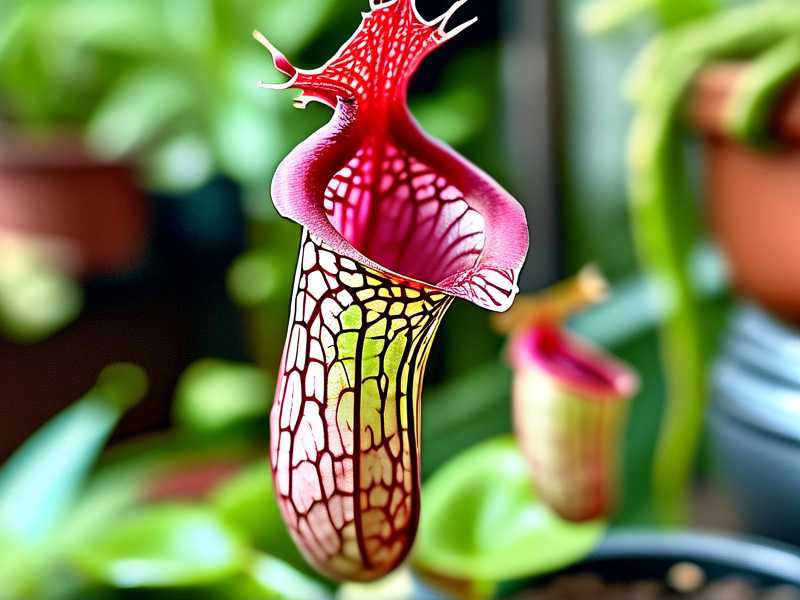
Now let me back up and explain the whole picture, because summer humidity in the US does something specific to Nepenthes that a lot of care guides gloss over.
Why Humidity Turns Your Pitcher Liquid Into a Rotting Soup
Nepenthes pitchers are not sealed cups. They are living traps with their own little ecosystem inside.
In high summer humidity, the air around the pitcher stays warm and wet. That warmth speeds up bacterial and fungal growth inside whatever liquid is already sitting in the pitcher. Combine that with a few drowned insects and a bit of old leaf fall, and you get a breeding ground.
The Royal Horticultural Society is pretty clear that stagnant, dirty water is one of the fastest routes to root and tissue rot in container plants. I have linked their general guidance here because I genuinely use it as my baseline: RHS growing advice. The American Horticultural Society makes a similar point about hygiene and air movement around tropical species: AHS gardening resources.
The takeaway is simple. Clean liquid equals healthy pitcher. Dirty liquid equals rot creeping down into the tendril and eventually the rhizome.
My Real Two-Week Experiment (And What I Actually Saw)
I want to give you something concrete, not theory.
Two summers ago I had four Nepenthes in my sunroom. Two were getting cloudy pitcher fluid. Two were still clear. Instead of guessing, I split them into two groups.
Group A: I did nothing except top up the water when it looked low.
Group B: Every 5 days I tipped out the old fluid, rinsed the inside of each pitcher with a gentle stream of distilled water, and refilled to about one-quarter full with fresh distilled water.
After 14 days the results were not subtle. Group A had two pitchers with soft brown patches near the rim and that sour smell. Group B pitchers stayed clear, the fluid looked almost like weak tea, and the lids stayed green.
I lost one pitcher in Group A entirely. It collapsed at the base. That was the last time I shrugged off pitcher hygiene.
The Three Beginner Mistakes That Wreck Nepenthes
Here is where I want to be blunt, because I made all three of these.
Mistake 1: Overwatering
This one is everywhere. I have killed more houseplants from kindness than neglect.
Here is a stat that should be pinned to every new grower's wall: 90% of indoor plants die from overwatering. That applies to Nepenthes too, just in a slightly different way. You are not only drowning the roots, you are keeping the pitcher fluid topped up and stagnant, which fuels the rot you are trying to prevent.
My fix: let the potting mix stay barely moist, never soggy, and stop auto-topping the pitchers. A pitcher does not need to be full. It needs to be clean.
Mistake 2: Wrong Light Position
I once moved a Nepenthes to a south window thinking more sun equals more growth. Wrong. The pitcher fluid heated up, evaporation concentrated the gunk inside, and the whole trap went bad in a week.
Nepenthes want bright but filtered light. Harsh midday sun cooks the fluid. Too little light and the plant stops producing new pitchers altogether, which means fewer healthy traps to manage.
My fix: east or filtered south exposure, and I rotate the plant every few days so no single pitcher bakes.
Mistake 3: Wrong Pot and Medium
I used to repot everything into dense, water-retaining mix because it looked tidy. That was a disaster for Nepenthes. Soggy medium plus humid air equals crown rot, and once the crown goes, the pitchers follow.
My fix: a well-draining mix, often sphagnum moss with perlite or bark, in a pot with real drainage holes. I also hang my Nepenthes so air moves under the pot. Airflow around the base matters more than most people realize.
My Actual Step-by-Step Cleaning Routine
This is the routine I settled on after way too much trial and error.
Step 1: Check each pitcher every few days. Look at the color of the fluid and smell it. Clear is good. Cloudy or sour is a warning.
Step 2: Tip out the old fluid gently. Do not shake the pitcher. They bruise easily.
Step 3: Rinse with distilled water or clean rainwater. Tap water leaves mineral residue that builds up over time.
Step 4: Refill to about one-quarter or one-third. Never more.
Step 5: Remove dead insects and any fallen leaf bits with tweezers. Do not let them rot in there.
Step 6: Wipe the outside of the pitcher and the lid with a soft damp cloth if you see mold spots starting.
Do this every 5 to 7 days in peak summer humidity. In cooler months you can stretch it to every 10 to 14 days.
What Kind of Water to Use (This Matters More Than You Think)
I tried tap water for a month once. The pitcher fluid went cloudy faster and I noticed mineral crust forming at the rim.
Distilled water is my default. Rainwater is great if you collect it cleanly. Filtered water works in a pinch.
Avoid softened water. The salts in it are rough on Nepenthes.
Small Habits That Keep Rot Away All Summer
这些 habits are not glamorous, but they work.
Good air movement. A small fan on low near the collection keeps humidity from becoming stagnant.
Do not crowd your plants. Space between pitchers lets air dry the rims.
Trim dead pitchers promptly. A dying pitcher left attached is an open door for fungus.
Keep the plant out of standing water. Saucers full of water plus summer heat equals trouble.
My Go-To Long-Term Maintenance Mindset
Honestly, the biggest shift for me was stopping the urge to fuss. Nepenthes do not want constant topping up. They want clean, stable, aerated conditions.
I check fluid color the way I check my coffee. If it looks off, I change it.
And I stopped treating every brown spot like a crisis. Some aging is normal. Rot is different. Rot is soft, spreading, and smells wrong. Once you learn that difference, you catch problems early.
Frequently Asked Questions
Can I just leave the liquid the plant produces on its own?
You can, but in high humidity it still needs refreshing. The plant's own fluid gets contaminated by trapped insects and debris. I replace mine regularly during summer.
Is cloudy pitcher liquid always a sign of rot?
Not always. Sometimes it is just concentrated waste from digested insects. But if it smells sour or the pitcher feels soft, treat it as rot and clean it immediately.
Should I add water to a dry pitcher?
Yes, but only a little. A completely dry pitcher often means the trap is aging out. A light refill of distilled water can keep it functional a bit longer, but do not overfill it.
Summing It Up
Keeping Nepenthes pitcher liquid clean is less about fancy products and more about a boring weekly habit. Empty it, rinse it, refill it lightly, and keep the air moving. Do that through the sticky US summer and your pitchers will stay clear while everyone else is fighting rot. I learned it the slow way so you do not have to.





