 bluename
How to Adjust Humidifier Settings for Small Nepenthes Collections in US Homes
I used to think any humidifier would keep my Nepenthes happy. It didn't. Within two weeks, my first pitcher plant looked like a crispy autumn leaf. After killing three more, I finally learned how to adjust humidifier settings properly for small Nepenthes collections in US homes. The answer is simple: aim for 60–80% relative humidity during the day, drop it slightly at night, and never let the humidifier blast directly onto the leaves. That's it. If you get those three things right, your plants will reward you with actual pitchers instead of brown stubs.
But here's the thing. Getting there took me two full weeks of daily observation, a cheap hygrometer, and more than a few mistakes. So let me walk you through exactly what I did, what went wrong, and how you can skip the plant-killing phase.
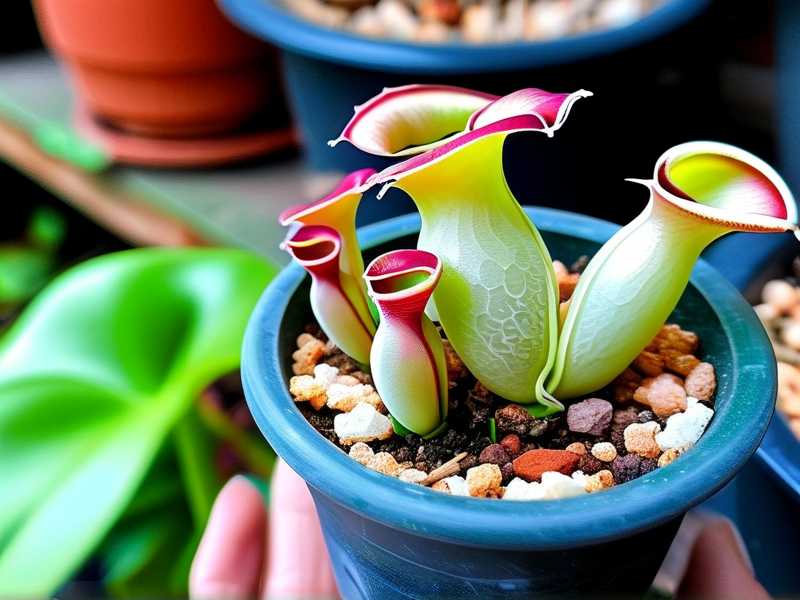
Why Nepenthes Are Picky About Humidity
Nepenthes are tropical pitcher plants. Most of the ones you'll find in US garden centers are hybrids like N. ventrata or N. miranda. They're tougher than pure species, but they still hate dry air.
The Royal Horticultural Society (RHS) recommends high humidity for tropical pitcher plants. They specifically mention that most Nepenthes need consistently moist air to produce pitchers. If the humidity drops below 50%, the tendrils dry up before a pitcher can form.
The American Horticultural Society (AHS) also notes that indoor humidity in most US homes sits between 30% and 40% during winter. That's way too low. Your heating system is basically stealing moisture from the air all day long.
So if you're running a small collection of five or ten Nepenthes on a windowsill or in a grow tent, a humidifier isn't optional. It's essential. The problem is that most people set it and forget it. I did that too.
My Two-Week Experiment: What Actually Worked
I started with a basic ultrasonic humidifier from a big box store. I put it right next to my plants. I set it to maximum. I thought more moisture equals happier plants, right?
Wrong. By day three, the leaves closest to the humidifier had water spots. By day five, black mold started forming on the soil surface. By day seven, one plant's growth point turned mushy. Root rot? No. Crown rot from constant wetness.
So I changed my approach. I bought a digital hygrometer for fifteen dollars. I placed it right in the middle of my Nepenthes group. Then I started adjusting.
Week One: I ran the humidifier only during daylight hours. I set it to maintain 70% humidity. I also moved it about three feet away from the plants and aimed it at a wall. The mist bounced back gently instead of soaking the leaves.
Result after seven days: No new mold. No crispy tendrils. But also no new pitchers. The plants were stable but not thriving.
Week Two: I added a night-time drop. I let humidity fall to 55–60% after sunset. This mimics what happens in their natural habitat. I also started using distilled water instead of tap water. Tap water left a white mineral dust on everything. Distilled water fixed that.
Result after fourteen days: Two of my N. ventrata started swelling new pitchers. The leaves looked glossy. No more brown tips. That's when I realized the night drop was the missing piece.
Three Mistakes That Kill Nepenthes (I Made All of Them)
Mistake One: Overwatering. I know, I know. Everyone says this. But let me be blunt: 90% of indoor plants die from overwatering. Nepenthes are no exception. I used to water on a schedule. Every three days, no matter what. Bad idea.
The soil stayed soggy. The roots couldn't breathe. The plant slowly declined. I killed my second Nepenthes this way. Now I water only when the top inch of the potting mix feels barely damp. In winter, that's every seven to ten days. In summer, every four to five.
Mistake Two: Wrong Light. I put my first Nepenthes on a south-facing windowsill. I thought tropical plants love sun. They don't. They love bright, indirect light. Direct afternoon sun through glass cooked the leaves. They turned red, then brown, then crunchy.
I moved my collection to an east-facing window with a sheer curtain. That gave them morning light without the harsh afternoon bake. If you don't have a good window, a simple LED grow light works fine. Just keep it twelve to sixteen inches above the leaves.
Mistake Three: Wrong Pot. I used a glazed ceramic pot with no drainage holes. I thought it looked nice. It was a death trap. Water pooled at the bottom. The roots rotted within a month.
Now I use plastic pots with plenty of drainage holes. I also use a chunky mix: long-fiber sphagnum moss, perlite, and orchid bark. That mix holds moisture but lets air circulate. Your humidifier won't save a plant that's sitting in a swamp.
How to Dial In Your Humidifier Step by Step
Here's my exact process. You can copy it for your own small collection.
Step 1: Get a hygrometer. Don't guess. A cheap digital one costs less than a fancy coffee. Place it at leaf level, not on the floor or ceiling.
Step 2: Position the humidifier away from the plants. Three feet minimum. Aim it at a nearby wall or let it run in the same room but not directly at the leaves. You want ambient humidity, not a wet breeze.
Step 3: Set your daytime target. For most hybrid Nepenthes in US homes, 65–75% is perfect. If you have ultra-highland species, push it to 80%. But for beginners, stay in the 60–75% range. Going higher invites mold.
Step 4: Create a night drop. Reduce humidity by 10–15% after lights out. You can do this with a timer. I run my humidifier for twelve hours during the day and turn it off at night. The natural room humidity plus a light misting every other evening keeps things in range.
Step 5: Watch the leaves. If they have water droplets sitting on them for hours, your humidifier is too close or too strong. If the tendrils dry up before forming pitchers, your humidity is too low. Adjust by ten percent at a time. Wait three days before changing again.
Step 6: Use distilled or rain water. Tap water leaves mineral crust on leaves and in the humidifier tank. That crust can clog the machine and burn your plants. I learned this the hard way after replacing two humidifiers in six months.
What About Grow Tents and Small Cabinets?
If your collection is really small, say three to five plants, a grow tent is a game changer. You can skip the humidifier entirely for most of the year. Just mist the walls once a day. The enclosed space holds humidity naturally.
But if you use a tent, you still need airflow. I run a small computer fan on low speed. Without it, stagnant air leads to fungal issues. I lost a beautiful N. ampullaria to gray mold because I forgot the fan.
For open shelves or windowsills, a humidifier is still your best bet. Just remember: you're trying to humidify the air, not the plant. Big difference.
Frequently Asked Questions
Can I use a cool mist humidifier instead of an ultrasonic one?
Yes. Cool mist is actually safer for Nepenthes because it doesn't heat the air. Ultrasonic works fine too, but it leaves white dust if you use tap water. Warm mist humidifiers are a no-go. They raise the temperature too much for most home collections.
How often should I clean my humidifier?
Every three to four days if you use it daily. I know that sounds annoying. But biofilm builds up fast. I rinse the tank with hot water and a little white vinegar. Once a week, I do a deeper clean with diluted hydrogen peroxide. Skip this step and you'll be spraying bacteria all over your plants.
My humidity is perfect but my Nepenthes still won't pitcher. Why?
Check your light. Pitcher formation requires bright, indirect light for at least ten to twelve hours a day. If your plant is in a dark corner, no amount of humidity will help. Also check temperature drops at night. Many Nepenthes need a 10–15°F drop to trigger pitcher development. I run a small fan at night to pull cool air from the window.
Final Thoughts
Adjusting humidifier settings for small Nepenthes collections isn't rocket science. It's just patience and observation. Start at 65–70% during the day. Drop it to 55–60% at night. Keep the humidifier three feet away. Use distilled water. Watch your leaves for clues.
And please, learn from my mistakes. Don't overwater. Don't bake them in direct sun. Don't use a pot without drainage. I killed four plants before I figured this out. You don't have to.
Give it two weeks. Keep a simple log. Adjust slowly. Your Nepenthes will tell you when they're happy. And when that first new pitcher opens, you'll forget all about the crispy leaves and the mold and the dead plants. Trust me. It's worth it.





