 bluename
How to Manage Post-Rain Drainage for Outdoor Nepenthes in US Spring Storms
Spring storms in the US can dump two inches of rain on your outdoor Nepenthes in a single afternoon. I learned this the hard way in April 2023, when a three-day downpour turned my prized N. ventricosa's potting mix into a swamp. By day four, the pitchers were dropping and the growth tip had blackened. That's when I started taking post-rain drainage seriously.
Here's the short answer: after every storm, tilt the pot to drain standing water, check the drainage holes for clogs, and if the mix stays waterlogged for more than 24 hours, repot into a chunkier blend. Do this within 48 hours and most outdoor Nepenthes will recover fine. Wait a week, and you're looking at root rot.
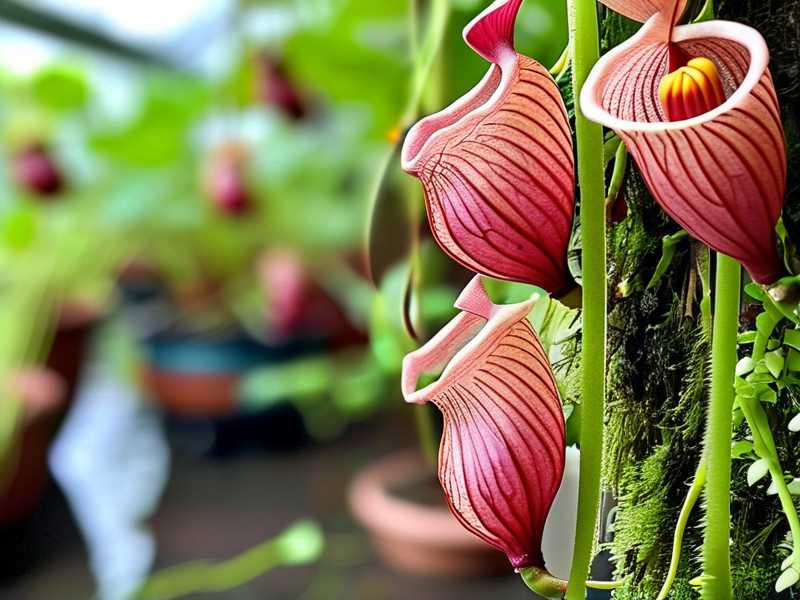
I've killed three Nepenthes to learn this. The first one drowned. The second one rotted after I "fixed" the drainage with the wrong mix. The third one I saved, and that's the method I'm sharing here.
Quick note: 90% of indoor plants die from overwatering, and outdoor tropical pitcher plants in spring storm season are even more vulnerable because you can't control the rain. The Royal Horticultural Society (RHS) consistently flags poor drainage as the top killer of container-grown carnivorous plants, and the American Horticultural Society (AHS) recommends raising pots on feet or slats during wet seasons. That advice saved my remaining collection.
Why Post-Rain Drainage Matters More Than You Think
Nepenthes roots need air. They're not bog plants like Sarracenia. The roots want moisture, yes, but they also want oxygen moving through the mix. When spring storms hit and water sits in the tray or the potting mix stays saturated, the air pockets collapse.
Roots suffocate. Then fungus moves in.
I've watched this happen in real time. After a storm, the leaves look fine for about 48 hours. Then the lower leaves yellow. Then the growing tip turns brown. By the time you notice, the root system is already toast.
The tricky part is that Nepenthes are slow to show stress. A plant can look healthy for five days after a soaking rain and then crash overnight. That lag time fools a lot of growers into thinking everything's fine.
The 3 Mistakes That Kill Outdoor Nepenthes After Spring Rain
Let me be blunt. Almost every post-storm Nepenthes death I've seen, including my own, comes down to one of these three mistakes.
1. Assuming the Pot Drained Itself
This was my first mistake. I had a nice ceramic pot with a drainage hole, sitting on a saucer. After a heavy rain, I figured gravity did its job. It didn't.
The saucer was full. The drainage hole was partially blocked by a piece of sphagnum that had migrated down. Water sat in the bottom inch of the pot for three days.
I pulled the plant out on day five. The bottom third of the root ball was brown and mushy. The smell was unmistakable.
Fix: After every storm, physically lift the pot and dump the saucer. Stick a chopstick or skewer up through the drainage hole to clear any blockages. I do this now within two hours of the rain stopping, every single time.
2. Watering on Top of Saturated Mix
This one sounds obvious, but it happens because of habit. Your plant looks droopy after a storm (often from wind damage, not thirst), so you water it. Now you've added insult to injury.
I did this with my second Nepenthes. The plant looked wilted after a windy storm, so I gave it a drink. Two days later, the stem was soft.
Fix: Never water within 48 hours of a heavy rain. Check the mix first. Stick your finger two inches down. If it's wet, walk away.
3. Using a Mix That Holds Too Much Water
Peat-heavy mixes are the default at most garden centers. They're terrible for outdoor Nepenthes in storm season. Peat compresses, holds water like a sponge, and turns anaerobic fast.
I tried a 50/50 peat-perlite mix my first year. After one spring storm cycle, the mix had collapsed into a dense, soggy brick.
Fix: Use a chunky, airy mix. My current blend is 40% long-fiber sphagnum, 30% perlite, 20% orchid bark, and 10% horticultural charcoal. It drains in seconds. Even after a two-inch rain, the mix is merely damp the next morning.
My 2-Week Recovery Protocol After a Major Storm
I've refined this over three spring seasons. Here's exactly what I do, day by day.
Day 1: Drain Everything Immediately
As soon as the rain stops, I go outside with a towel and a skewer. I tilt each pot 45 degrees to let standing water pour off the surface. I dump every saucer. I poke the drainage holes clear.
This takes five minutes per plant. It's the single most important step.
Day 2: Check the Mix Moisture
I stick a wooden skewer deep into the pot and leave it for 10 minutes. If it comes out dark and wet, the mix is still saturated. I move the pot to a covered area with good airflow, like under the eaves or on a covered porch.
If the skewer comes out lightly damp, the plant stays put.
Day 3–4: Watch for Stress Signs
Yellowing lower leaves? Could be normal old-leaf drop, or the start of root stress. Soft stems? Bad sign. Brown growing tip? Very bad sign.
In my experience, if the plant looks stable by day four, it's probably fine.
Day 5: Decide on Repotting
If the mix is still soggy on day five, I repot. No hesitation. Waiting longer just increases the chance of rot.
When I repot after a storm, I shake off as much wet mix as I can, trim any brown roots with sterilized scissors, and pot into fresh chunky mix. I don't water for three days after repotting.
Day 6–14: Hold Back Water and Observe
This is the hard part. The plant looks thirsty. The leaves might droop slightly. But the roots need to dry out and heal.
I mist the leaves lightly in the morning if the humidity is low. That's it. No soil watering for at least seven days.
By day 10 to 14, I usually see new growth starting. That's my signal to resume normal watering.
What I Learned From Losing Three Nepenthes
The first one died because I didn't know any better. I left it in a saucer of rainwater for a week.
The second one died because I "fixed" the problem by repotting into straight peat. Wrong direction entirely.
The third one, an N. sanguinea, I saved using the protocol above. It lost two leaves but pushed out a new pitcher within three weeks. That plant is still with me two years later.
What I've learned is that Nepenthes are more resilient than they look, but only if you act fast. The window between "wet" and "rotten" is shorter than most people think.
Long-Term Setup Changes That Prevent Storm Damage
After my third loss, I changed my entire outdoor setup. These changes have made storm season manageable.
Raise the Pots
I use pot feet or small wooden slats to lift every pot 1–2 inches off the ground. This improves airflow underneath and prevents the pot from sitting in a puddle.
Use Slatted Shelving
My outdoor Nepenthes sit on slatted wooden benches. Water runs straight through. No trays, no saucers during storm season.
Choose the Right Pot Size
A pot that's too large holds too much wet mix around the roots. I size up only when the roots fill the current pot. For most medium Nepenthes, a 6-inch pot is plenty.
Position for Wind Protection but Airflow
I place my plants where they get morning sun and good air movement, but with some protection from the worst wind. A windbreak of taller plants or a low fence works well.
FAQ
How long can Nepenthes sit in waterlogged soil before damage occurs?
In my experience, you have about 48 to 72 hours before root damage starts. After 96 hours, the risk of rot jumps significantly. Spring storms that last multiple days are the most dangerous.
Should I repot immediately after a storm if the mix is soaked?
Not immediately. Give it 3 to 5 days to dry out with improved airflow. If it's still soggy after day five, then repot. Repotting a stressed plant too soon adds shock on top of stress.
Can I use a moisture meter to check if my Nepenthes needs repotting after rain?
Yes, but I find a wooden skewer more reliable. Moisture meters can read inconsistently in chunky mixes with lots of bark and perlite. The skewer test gives you a direct read on the actual moisture at root level.
Final Thoughts
Spring storms are going to happen. You can't stop the rain. But you can control what happens in the 48 hours after it stops.
Drain the saucers. Clear the holes. Check the mix. Hold back the watering. If things stay wet too long, repot into a chunky mix.
I wish I'd known this before I lost my first three Nepenthes. But now you do. Your outdoor pitcher plants will thank you for it.





