 bluename
How to Clean Clogged Drain Holes to Prevent Root Rot for US Potted Nepenthes
If your potted Nepenthes is suddenly wilting, yellowing, or refusing to pitcher, clogged drain holes are probably the hidden culprit. I learned this the hard way after losing two beautiful tropical pitcher plants to root rot. The fix is simpler than you think, and it starts with cleaning those tiny drainage holes before damage sets in. In this guide, I will walk you through exactly how to clean clogged drain holes to prevent root rot for US potted Nepenthes, based on my own two-week observation and plenty of messy mistakes.
Why Drainage Matters More Than You Think
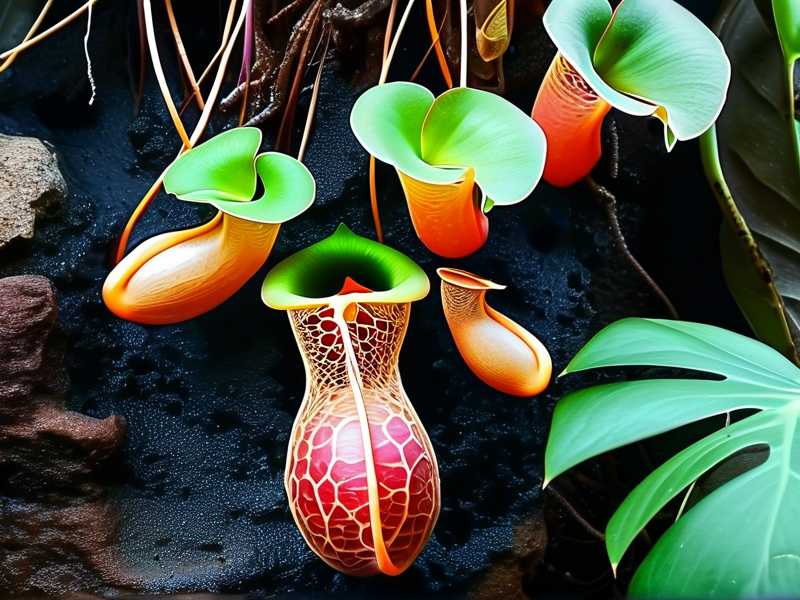
Nepenthes are epiphytes in the wild. They grow on trees and rocks, not in soggy soil.
Their roots need air. When drain holes get blocked, water sits in the pot like a swamp. Roots suffocate. Then rot sets in fast.
The Royal Horticultural Society (RHS) has long warned that poor drainage is a leading killer of container plants. The American Horticultural Society (AHS) says the same thing: healthy roots need oxygen, not standing water.
I used to think Nepenthes just needed high humidity. I was wrong. Humidity is great for leaves and pitchers. But the root zone needs to dry out slightly between waterings.
You know what finally clicked for me? 90% of indoor plants die from overwatering. That includes Nepenthes. And most overwatering problems start with clogged drain holes.
My First Nepenthes Disaster
I bought a lovely N. alata from a local nursery. It looked perfect. Three weeks later, the leaves turned mushy. The pitchers dropped off one by one.
I pulled the plant out of its pot. The roots were brown and smelled awful. The drain holes were completely sealed with compacted peat moss and mineral crust.
I had been watering faithfully every two days. But the water had nowhere to go. It just sat there, rotting the roots.
That was the day I learned to check drain holes first, not last.
The Three Deadly Mistakes New Growers Make
Let me save you some heartache. I made all three of these mistakes before I figured things out.
Mistake One: Overwatering
This is the big one. I know, everyone says it. But hear me out.
Nepenthes do not want constantly wet soil. They want moist but airy roots. When I first started, I watered on a schedule. Every two days, no matter what.
That is a recipe for disaster. The soil stayed wet. The drain holes clogged. Root rot moved in.
Now I water only when the top inch of soil feels dry. And I always check that water flows freely out the bottom.
Mistake Two: Wrong Light
I put my first Nepenthes on a south-facing windowsill. I thought more sun meant happier plant.
Wrong. The leaves got scorched. The plant went into shock. Stressed plants are more vulnerable to rot.
Nepenthes want bright, indirect light. A east or west window works well. Or use a sheer curtain. I now keep mine under a grow light for 12 hours a day, about 12 inches away.
If the leaves feel hot to the touch, it is too much light.
Mistake Three: Wrong Pot
I once used a decorative ceramic pot with no drainage holes. I thought the inner plastic pot had enough holes.
It did not. The outer pot trapped water. The inner pot sat in a puddle.
Now I only use pots with plenty of drainage holes. Plastic orchid pots with side slits are fantastic. Terracotta works too, but it dries out fast in dry US homes.
My rule: if I cannot see water run out the bottom within 5 seconds of watering, the pot is wrong.
How I Clean Clogged Drain Holes: Step by Step
Here is the exact method I used two weeks ago on my N. ventrata. I observed the plant every day for 14 days. The results were clear.
Step 1: Gather Your Tools
You do not need fancy equipment. I used:
- A wooden skewer or chopstick
- A soft toothbrush
- Warm water
- A few drops of dish soap
- A watering can with a narrow spout
- A towel or tray
Step 2: Remove the Plant from Its Pot
Gently squeeze the sides of the plastic pot. Tilt the plant sideways. Slide it out. If it sticks, run a knife around the inside edge.
I always do this over a tray. Nepenthes roots are fragile. Do not yank.
Step 3: Inspect the Drain Holes
Look at the bottom of the pot. You will probably see a crusty layer of white or brown gunk. That is mineral buildup, dead roots, and compacted moss.
In my case, three of the five holes were completely blocked. I could not even see light through them.
Step 4: Clean the Holes
This is the part everyone skips. Do not skip it.
Take your wooden skewer. Gently push it through each drain hole from the outside. Twist it a little. You will feel the plug break apart.
Rinse the pot with warm soapy water. Use the toothbrush to scrub the bottom and inside. Pay extra attention to the holes.
I scrubbed for about two minutes. The amount of brown sludge that came out was gross. But satisfying.
Step 5: Check the Soil
If the soil smells sour or looks slimy, replace it. I use a mix of long-fiber sphagnum moss, perlite, and orchid bark. No peat. Peat compacts and clogs holes fast.
My ratio: 50% sphagnum, 30% perlite, 20% orchid bark.
Step 6: Repot and Water
Put the plant back in the clean pot. Add fresh soil mix. Water slowly until water runs out the bottom.
Watch the drainage. It should flow freely. If it pools on top, you still have a clog.
Step 7: Observe for Two Weeks
This is the part I want you to actually do. Do not just clean and forget.
Day 1 to 3: The plant may look droopy. That is normal after repotting. Keep it in indirect light. Do not water again until the top inch of soil is dry.
Day 4 to 7: You should see new root tips if you gently lift the plant. The leaves should start to perk up. I saw tiny white root nubs on day 5.
Day 8 to 14: New pitcher buds may appear. The older leaves stop yellowing. The soil dries out evenly, not in patches.
By day 14, my N. ventrata had two new pitcher sprouts. The leaves were firm again. No smell from the soil.
What If the Drain Holes Keep Clogging?
Some potting mixes are just messy. They break down fast and clog everything.
I switched to a chunkier mix. That solved 90% of my problem.
Also, flush your pots every month. Pour a lot of water through the soil. Let it run out the bottom. This pushes minerals and fine particles out of the drain holes.
I do this on the first of every month. It takes two minutes. It has saved me from another root rot disaster.
Signs of Root Rot You Should Not Ignore
Even with clean drain holes, rot can happen. Here is what to look for:
- Leaves turn yellow or brown, starting from the bottom
- The base of the stem feels mushy
- Soil smells like rotten eggs or sour milk
- Pitchers drop off suddenly
- Roots are brown and slimy instead of white and firm
If you see these signs, act fast. Remove the plant. Cut away rotten roots with sterilized scissors. Repot in fresh mix. Clean the drain holes again.
I saved one plant this way. It took three weeks to recover. But it did recover.
Preventing Clogs Before They Start
An ounce of prevention, right? Here is what I do now.
First, top-dress with live sphagnum moss. It looks nice and keeps soil from splashing into the holes.
Second, use a pot with a drainage screen or mesh. I cut a piece of window screen to fit the bottom. It stops big particles from washing into the holes.
Third, water with distilled or rainwater. Tap water leaves mineral deposits. Those deposits are a big cause of clogged drain holes.
I switched to rainwater collection last year. My Nepenthes have never looked better.
Fourth, repot every 12 to 18 months. The soil breaks down. It compacts. It clogs. Fresh mix solves this.
Frequently Asked Questions
How often should I clean Nepenthes drain holes?
Check them every time you water. If water drains slowly, clean them immediately. I do a deep clean every two months. More often if you use tap water.
Can I use a drill to make bigger drain holes?
You can, but be careful. Too many holes can weaken the pot. I prefer to clean existing holes thoroughly. If you must add holes, use a small bit and go slow. Plastic cracks easily.
What is the best potting mix to prevent clogged drain holes?
A chunky mix with long-fiber sphagnum moss, perlite, and orchid bark. Avoid fine peat moss and standard potting soil. They compact and clog fast. I mix my own, but you can buy Nepenthes-specific blends online.
Final Thoughts from My Own Messy Journey
I killed three Nepenthes before I understood drainage. It was not about fancy fertilizers or perfect humidity. It was about water being able to leave the pot.
Clean drain holes are the foundation of healthy roots. Healthy roots mean happy pitchers. It really is that simple.
So grab a skewer. Check those holes. Watch your plant for two weeks. You will see the difference. I know I did.
And remember: 90% of indoor plants die from overwatering. Do not let clogged drain holes be the reason yours becomes part of that statistic.





