 bluename
How to Safely Germinate Nepenthes Seeds in Standard US Residential Indoor Spaces
I killed my first batch of Nepenthes seeds in four days. Not because the seeds were bad, but because I did everything wrong. If you want the short answer right now: sow fresh Nepenthes seeds on moist long-fiber sphagnum moss, keep them at 75–85°F with bright indirect light, seal them in a clear container to hold humidity above 80%, and do not let the moss dry out or stay soggy. That's it. That's the whole game. Everything below is me walking you through how I actually got there after losing two batches and finally getting a 60% germination rate by week two.
Let me back up. I'm not a botanist. I'm a guy with a windowsill, a cheap heat mat, and an obsession with carnivorous plants that started when I bought a sad clearance Nepenthes at a big-box store. Germinating Nepenthes seeds indoors in a normal apartment or house is totally doable. It's just unforgiving of the three mistakes almost every beginner makes.
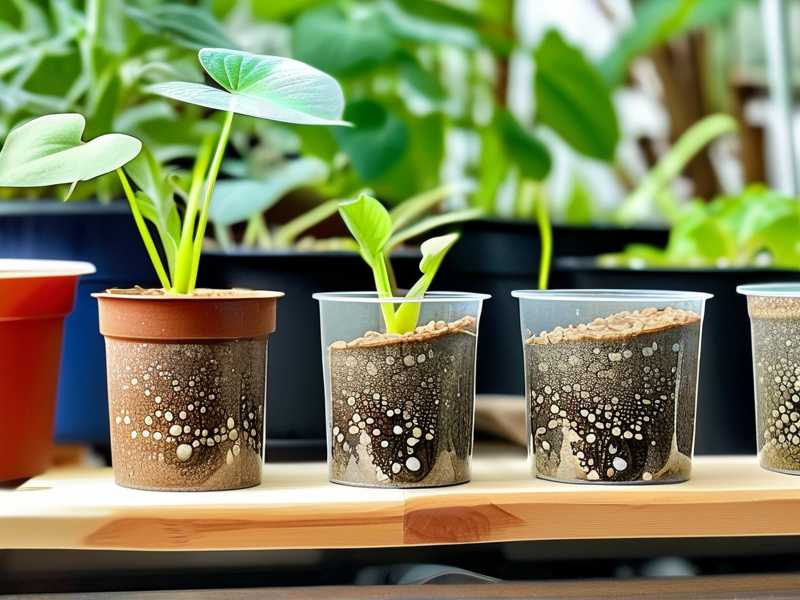
The three mistakes that kill Nepenthes seedlings before they exist
First, overwatering. I know, I know, you've heard it a thousand times. But here it is again because it matters: 90% of indoor plants die from overwatering, and Nepenthes seeds are even less tolerant than your average pothos. Soggy moss grows algae and fungus overnight. I lost an entire tray to damping-off fungus on day six because I misted twice a day like a nervous parent.
Second, light placement. Nepenthes seeds need light to germinate, but direct sun through a south-facing window will cook them in a sealed container. Think of a greenhouse in July. That's what you'd create. I fried batch number two on a sunny afternoon in about ninety minutes. Bright indirect light, or a cheap LED shop light twelve inches above the container, is what you actually want.
Third, wrong container. I started with a beautiful ceramic pot because it looked nice on my shelf. Terrible idea. You can't see moisture levels, you can't seal it, and it drains too fast. A clear plastic deli container or a zip-top bag over a small pot works far better. You need to see what's happening.
What you actually need before you sow
Here's my current setup after three rounds of trial and error. A clear takeout container with a lid, long-fiber sphagnum moss (not peat, not potting mix), distilled or rain water, a heat mat with a thermostat, and a basic grow light or bright windowsill. That's maybe forty bucks total if you already own a heat mat.
A quick note on sourcing. The RHS recommends sowing carnivorous plant seeds as fresh as possible because viability drops fast. The AHS backs this up with the same guidance for tropical species. Nepenthes seeds lose viability within weeks to a couple of months. If you buy seeds that sat in a warehouse for half a year, your germination rate will be near zero no matter what you do. This was my biggest early mistake, honestly. I bought cheap seeds from a random seller and waited three weeks for nothing.
My actual step-by-step process
Soak the long-fiber sphagnum in distilled water for twenty minutes. Squeeze it out so it's moist like a wrung-out sponge, not dripping. I used tap water my first time. Bad move. The minerals built up and the moss turned crusty within a week. Distilled or rain water only, from day one.
Fill your clear container with about an inch of the moist moss. Tamp it down gently. Sprinkle the seeds on the surface. Do not bury them. Nepenthes seeds need light and air to germinate. I buried my first batch under a quarter inch of moss because I thought that's what you do with seeds. It's not. Zero germination.
Mist the surface lightly with distilled water from a spray bottle. Put the lid on. If you're using a zip bag, leave one corner cracked for a tiny bit of air exchange. Place the container on the heat mat and set it to 80°F. I tried room temperature for my second batch. Germination took almost two months at 72°F. At 80°F, fresh seeds started showing green nubs in twelve days.
What you'll see over the first two weeks
This is the part nobody tells you, so here's my real timeline from my successful batch.
Days one to five: nothing visible. This is normal and it's the hardest part because you'll want to mess with things. Don't. Just check that the moss is still moist through the lid.
Days six to ten: the moss may grow a little green algae. A tiny bit is fine. A lot means too wet and too much light. I had to wipe the lid condensation once a day during this stretch.
Days eleven to fourteen: if the seeds are viable, you'll see tiny green points emerging. They look like little green specks, almost like moss, so look close. By day fourteen I counted eleven visible sprouts in a batch of twenty seeds. That became eighteen by week four.
If day fourteen comes and you see nothing, wait another week before giving up. Older seeds take longer. But if day twenty-one is still blank and the moss smells sour, the batch is dead. Start over with fresh seeds from a better source.
Fixing the mistakes when you catch them
If you see fuzzy white mold, remove the affected moss with tweezers immediately and increase airflow by cracking the lid a bit more. I saved a tray this way. If you see green slime algae everywhere, your moss is too wet. Squeeze out excess water by tilting the container and dabbing with a paper towel.
If sprouts appear but then turn brown and collapse, that's almost always damping-off from overwatering. Reduce moisture and increase airflow. It's usually too late for the affected sprouts, but you can save the rest.
If you get zero germination and the moss looks fine, the seeds were probably old. That's the one problem you can't fix after the fact. Buy fresh.
The container question, answered properly
People ask me if they can just use a regular seed-starting tray. You can, but you'll fight humidity the whole time. I tried it. I was misting constantly and the moss kept drying out at the edges.
A clear sealed container maintains its own humidity. Less work, fewer fluctuations, better results. Just open the lid for five minutes every few days to swap the air.
One more thing. Don't fertilize. Not for the first several months. Nepenthes seedlings get everything they need from the moss and light. I tried a diluted orchid fertilizer at week three because I thought it would speed things up. It burned the roots of half my sprouts.
How long until they're real plants
Germination is just step one. Once sprouts appear and grow their first two tiny leaves, you can slowly acclimate them by opening the lid wider over two to three weeks. Rushing this step kills more seedlings than germination itself, in my experience.
After about three to four months, the strongest ones can move into their own small pots. Until then, keep them warm, keep them moist, keep your hands off them.
FAQ
Can I germinate Nepenthes seeds without a heat mat?
You can, but it takes much longer and the germination rate drops. Temperatures between 75 and 85°F are the sweet spot. If your home stays around 72°F, you might see sprouts in six to eight weeks instead of two.
What if my seeds never germinate?
Nine times out of ten it's old seeds. Buy fresh from a reputable carnivorous plant seller, and sow them within a month of receiving them.
Do I need special lights?
No. A bright windowsill with indirect light works fine. A basic LED shop light twelve inches above the container is a cheap upgrade if your window is dim.
Honestly, the biggest lesson from my failed batches is patience. Nepenthes seeds aren't hard. They're just slow, and they punish fussing. Get fresh seeds, keep the moss moist but not soaked, hold the temperature steady, and leave them alone. Two weeks in, you'll see green. A few months later, you'll have actual pitcher plants growing on your shelf, and that feeling never gets old.





