 bluename
How to Care for Hybrid Nepenthes in North American Gardens: A Grower's Journey from Struggle to Success
I remember the day my first hybrid Nepenthes arrived. It was a stunning N. x ventrata, its pitchers promising a touch of the exotic in my suburban home. Two months later, I was staring at a pitcher-less, browning vine, feeling utterly defeated. If you're reading this, you might know that heartache. You've brought home a captivating hybrid pitcher plant, only to watch it decline, refusing to produce those fascinating traps. The common advice—"give it bright light and keep it wet"—wasn't enough. I realized successful hybrid Nepenthes care in North America isn't about generic tips; it's about adapting jungle principles to our varied climates, from the dry Southwest to the frozen Northeast. After years of trial, error, and meticulous note-taking, I've developed a system that works. Let me walk you through my real-world, step-by-step process, including the mistakes I made and how I fixed them.
Understanding Your Hybrid Nepenthes: More Than Just a Houseplant
First, let's ditch the "houseplant" mindset. Most popular hybrids, like N. x ventrata, N. 'Lady Luck', or N. 'Gaya', are complex blends of highland and lowland species. This heritage is our key. They crave consistent warmth, high humidity, and bright, filtered light—conditions not typically found in our centrally heated or air-conditioned homes. The Royal Horticultural Society (RHS) emphasizes that while hybrids are often more adaptable than pure species, they still fundamentally require the high atmospheric humidity characteristic of their parent plants' environments. My initial failure was treating mine like a peace lily, sitting in a saucer of water on a windowsill. The air was simply too dry.
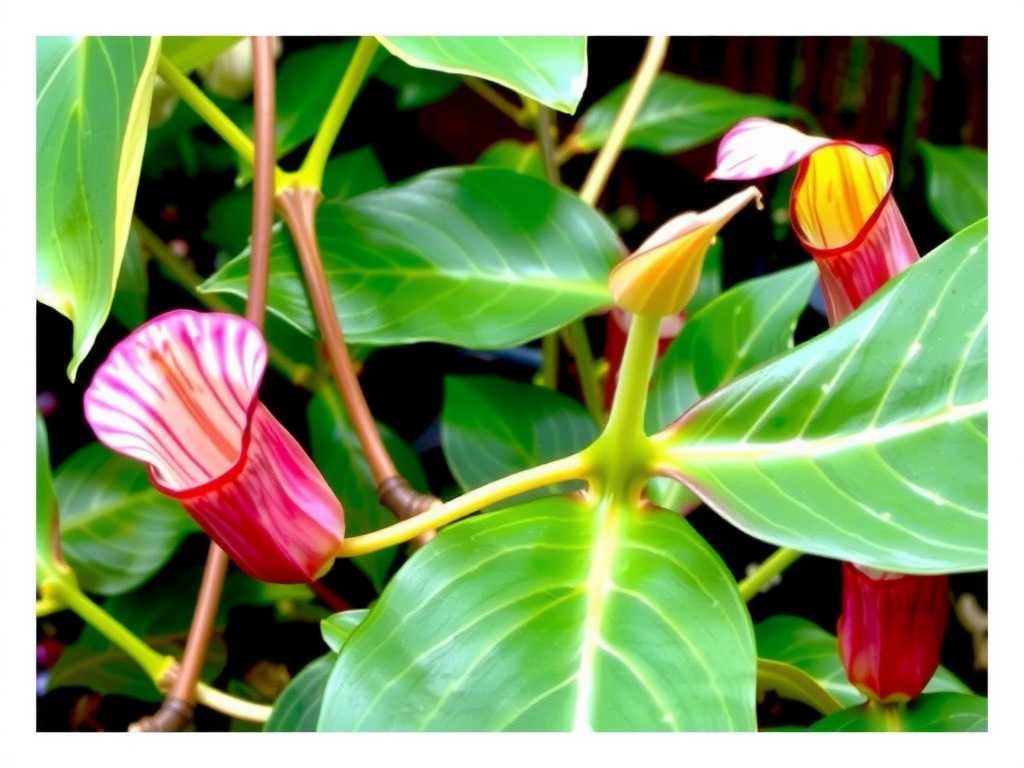
The Foundation: Creating the Perfect Growing Environment
You can't out-water or out-fertilize a bad environment. This is the most critical step in growing pitcher plants in the USA and Canada.
Light: The Energy Source for Pitcher Production
Hybrid Nepenthes need intense, but usually indirect, light. A south or east-facing window is ideal. My west window caused leaf scorch during summer afternoons. I now use a sheer curtain as a diffuser. For those in darker apartments or northern regions, grow lights are non-negotiable. I switched to a full-spectrum LED panel, running it for 14 hours a day. The result? Within two weeks, I observed a noticeable reddening of the new leaves (a sign of good light exposure) and the emergence of a tiny pitcher bud from the newest leaf tip. This was the first major victory after my initial struggles.
Humidity and Airflow: The Balancing Act
This was my biggest pitfall. Low humidity equals no pitchers. But stagnant, soggy air invites mold. The American Horticultural Society (AHS) notes that for most tropical plants, relative humidity above 50% is a key threshold for sustained health. My home's humidity hovered around 30%. I tried misting, but it was fleeting and promoted leaf spot.
My solution was a combination approach:
- Pebble Tray: A simple, constant-humidity booster. I use a wide tray filled with pebbles and a half-inch of water, ensuring the pot sits above the water line.
- Room Humidifier: Placed nearby, it raises the ambient humidity to a steady 55-65%.
- Gentle Air Circulation: A small, oscillating fan on low, placed across the room, provides constant air movement without creating a direct draft. This prevents fungal issues and strengthens the vine.
Temperature: Mimicking the Highlands and Lowlands
Most common hybrids thrive in intermediate conditions: days between 75-85°F (24-29°C) and nights not below 60°F (15°C). Avoid placing them near heating vents, air conditioners, or drafty windows. I learned this the hard way when a cold draft from a window caused a new pitcher to abort and blacken. Consistency is more important than achieving an exact number.
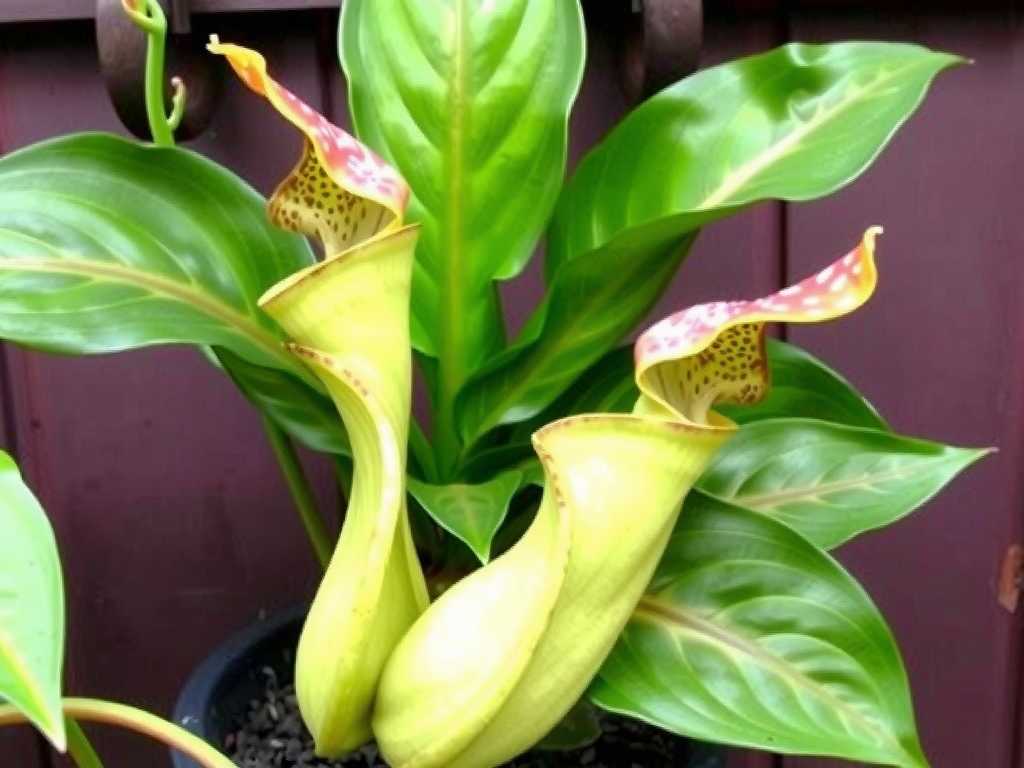
The Daily and Weekly Care Routine: A Practical Schedule
With the environment set, the actual care becomes surprisingly simple.
Watering: The "Damp, Not Drenched" Rule
Overwatering kills roots; underwatering stresses the plant. I use the "top-inch" test. I stick my finger into the media; if the top inch feels just slightly damp, I wait. If it feels dryish, I water thoroughly. I only use rainwater, distilled water, or reverse osmosis water. Tap water, with its dissolved minerals, will slowly poison your plant—a slow death I witnessed with my first specimen. I now collect rainwater in a barrel, and it's made all the difference.
Soil and Potting: Forget Everything You Know About Potting Mix
Standard potting soil is a death sentence. Nepenthes require an open, airy, acidic, and nutrient-poor medium. My go-to mix, validated by years of use, is a 1:1:1 ratio of long-fiber sphagnum moss, perlite, and fine orchid bark (like fir bark). This mix retains moisture while allowing roots to breathe. Repot only when the media breaks down (every 1-2 years) or the plant outgrows its pot, and always use plastic pots with ample drainage holes.
Feeding: To Feed or Not to Feed?
They are carnivorous, but you don't need to feed them insects. If your plant is outdoors or in a greenhouse, it will catch its own. Indoors, if pitchers are forming but remain empty, you can occasionally drop a single, small insect (like a dried bloodworm used for fish, which is what I use) into a pitcher every month. Never fertilize the soil. I once tried a diluted orchid fertilizer as a foliar spray, and it caused severe leaf burn. The pitchers are their stomachs; the roots are only for water uptake.
Troubleshooting Common Pitfalls: Lessons from My Failures
- Pitchers Drying Up or Not Forming: This is almost always a humidity or light issue. Re-evaluate your humidity sources and light intensity. My two-week experiment with a humidity dome (a clear plastic bag over the plant) on a struggling vine triggered two new pitchers to inflate. I then transitioned it back to the pebble tray/humidifier setup successfully.
- Brown Leaf Tips or Edges: Usually caused by low humidity, mineral buildup from bad water, or occasional underwatering. Check your water source first.
- Leaves Turning Yellow and Dropping: Often a sign of old age for lower leaves, but widespread yellowing can indicate root rot from soggy media or, conversely, severe drought stress. Check your watering habits and media condition.
- Pests: Watch for mealybugs and scale. I had a mealybug outbreak from an infected orchid. I treated it by dabbing each insect with a cotton swab dipped in isopropyl alcohol and increased airflow. Neem oil can be used cautiously, but test on a small area first.
Seasonal Adjustments for Outdoor Growing in North America
Many hybrids, like N. x ventrata, can thrive outdoors in USDA zones 9-11 year-round. In cooler zones, they make excellent patio plants for the frost-free months. I move my plants outside in late spring when night temperatures are consistently above 50°F (10°C). The increase in natural light and humidity always triggers a spectacular pitchering spree. Remember to acclimate them slowly to full sun over a week to prevent scorching. Bring them back indoors well before the first fall frost.
How often should I water my hybrid Nepenthes? There's no fixed schedule. It depends on your environment, pot size, and media. Always use the finger test—water when the top layer of the media just begins to feel dry. This could be every 3 days in a hot, dry room or every 7-10 days in a cool, humid terrarium.
Can I use fertilizer on my pitcher plant? It is highly discouraged to use standard soil fertilizers. If you must, use a specialized, extremely diluted orchid or epiphytic fertilizer, applied as a foliar mist no more than once a month during the growing season, and only if the plant is in good health. The risk of burn is high. It's far safer to let the plant catch its own food or provide the occasional insect in a pitcher.
Why are the pitchers on my new plant dying? This is common after a change in environment (like coming home from the nursery). The plant is acclimating. Focus on providing perfect, stable conditions—especially high humidity. The existing pitchers may die off, but with proper care, the new leaves will produce adapted pitchers suited to your specific setup. Patience is key.
Caring for hybrid Nepenthes is a deeply rewarding practice that connects us to a fascinating corner of the plant kingdom. It requires shifting our perspective from traditional gardening to creating a microclimate. By prioritizing pure water, airy media, bright filtered light, and most crucially, elevated humidity, you transform from a frustrated owner into a confident grower. The moment a new pitcher, formed entirely under your care, finally opens and reveals its intricate form, every bit of effort is instantly worth it. Start by mastering the environment, and your hybrid Nepenthes will respond with vigorous growth and a spectacular display of its carnivorous wonders.





