 bluename
How to Prune Nepenthes for Better Growth in US Spring
I’ll be honest—the first time I looked at my overgrown Nepenthes, a tangle of long, leafless vines and sparse pitchers, I felt a wave of panic. I knew pruning was the answer for better growth, especially to harness the energy of the US spring season, but the fear of killing my prized carnivorous plant was real. If you’re holding back those pruning shears, worried about making a fatal cut, you’re not alone. This guide is born from my own hands-on experience, mistakes included, to show you exactly how to prune Nepenthes not just safely, but strategically, for a bushier, more vigorous plant come spring.
Understanding the “Why” Before the “How”
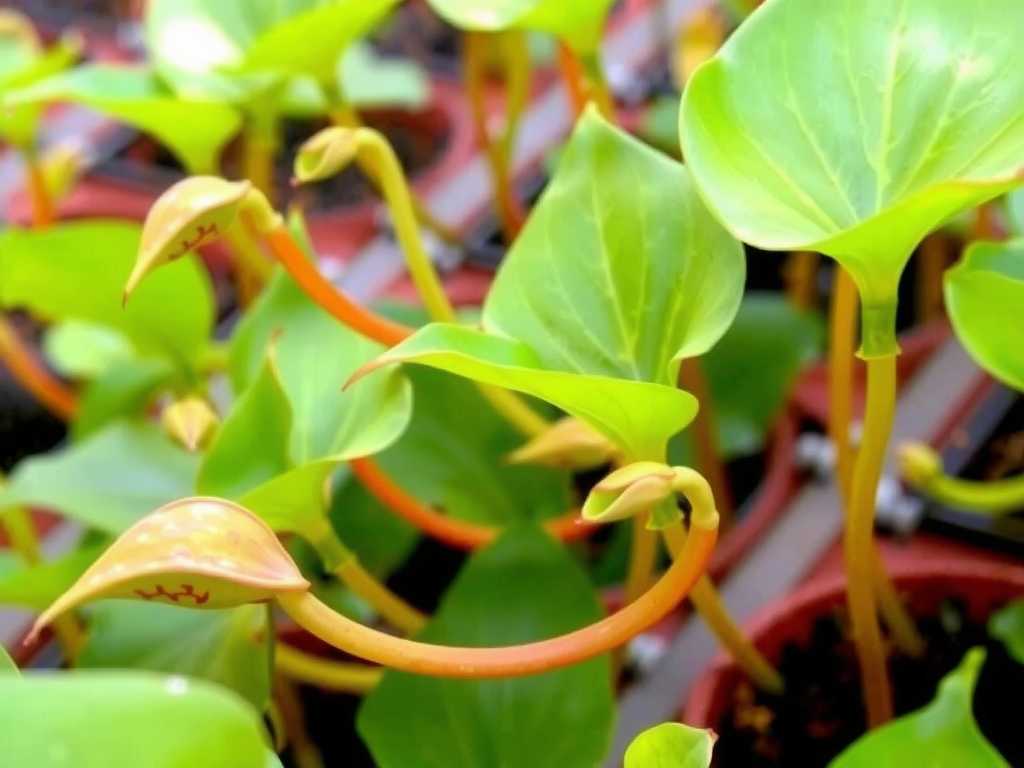
Pruning isn’t about arbitrary cutting; it’s about redirecting energy. In their natural habitat, Nepenthes are vigorous climbers. In our homes, without tall trees to scale, they can become leggy. The long stems (called vines) between leaf nodes stretch out, often producing fewer and smaller pitchers. Pruning directly addresses this.
When you prune a Nepenthes, you remove the apical meristem—the growing tip that produces a hormone called auxin. This hormone suppresses the growth of side shoots (basal shoots or offshoots). By cutting the tip, you break this dominance. The plant’s energy is then redirected to existing growth points, encouraging new stems to emerge from lower nodes or the base, resulting in a fuller plant. Spring in the US, with its increasing light levels and warmer temperatures, is the perfect time for this intervention. The plant is naturally exiting winter dormancy (or slowed growth) and is primed to heal quickly and explode with new growth.
My Spring Pruning Toolkit: Keeping It Simple and Sterile
You don’t need much, but what you have must be clean. Using dirty tools is the fastest way to introduce infection to the fresh wound.
- Sharp, Precision Pruners: I use a pair of bypass secateurs. Their scissor-like action makes a clean cut without crushing the stem. Blunt tools can damage plant tissues.
- Rubbing Alcohol & Cotton Pads: This is non-negotiable. I wipe down the blades before the first cut and between plants. Some experts, like those from the Carnivorous Plant Society, recommend a dip in a 10% bleach solution, but I’ve found 70% isopropyl alcohol to be effective and quick-drying.
- Cinnamon Powder (Optional but Helpful): A natural antifungal, a light dusting on the cut end can help seal and protect it. It’s a great, plant-safe alternative to commercial pruning sealants.
The Step-by-Step Pruning Process: A Real-Life Account
Here is the exact process I followed on my Nepenthes x ‘Ventrata’, a common and robust hybrid, in early March.
1. Assessing the Plant and Choosing Your Cut I examined my plant, identifying the long, vine-like sections. My goal was to encourage bushiness, so I looked for a healthy, green leaf node lower down on the vine. The node is the bump on the stem where a leaf attaches; it contains a dormant growth bud. I chose a spot about 1/4 inch above a plump, healthy-looking node. Cutting too close can damage the bud, cutting too far leaves an unsightly “stub” that can die back.
2. Making the Clean, Angled Cut After wiping my pruners with alcohol, I made a confident, swift cut at a 45-degree angle. The angled cut helps shed water, reducing rot risk. Immediately, I dabbed a tiny amount of cinnamon powder onto the exposed stem tissue. I repeated this for three long vines.
3. Handling the Cuttings: Don’t Throw Them Away! The 6-8 inch tip cuttings I removed were too valuable to compost. Each had at least 2-3 leaves. This is a perfect opportunity for propagation. I trimmed the bottom leaves, dipped the cut end in rooting hormone (optional), and placed them in a pot of moist, long-fibered sphagnum moss under a humidity dome. In a few weeks, these would become new plants—a huge bonus of pruning!
The 2-Week Observation Diary: What Actually Happened
This is where the magic—and the learning—happened. I placed the pruned mother plant back in its bright, indirect light spot and maintained my usual care: distilled water, high humidity (~70%), and warm temperatures.
- Days 1-3: No visible change. The cut ends looked dry and sealed with the cinnamon.
- Days 4-7: I noticed the topmost remaining leaf nodes on the pruned vines began to look slightly swollen. This was the first sign of awakening growth buds.
- Days 8-14: The action began! From two of the three cut vines, tiny, bright red bumps emerged just above the leaf nodes. These quickly developed into new basal shoots. Not just one, but two new growth points appeared near the base of the plant, likely stimulated by the overall redirection of energy. The plant wasn’t just healing; it was actively reprogramming its growth.
The Pitfalls I Encountered (And How to Fix Them)
My journey wasn’t flawless. On an older Nepenthes maxima, I made a critical error.
The Mistake: In my zeal, I pruned too aggressively on a cooler, cloudy week and simultaneously repotted the plant. This was a classic case of over-stressing the plant. The Symptom: For over 10 days, the plant showed zero growth. The cut ends were fine, but the entire plant seemed to go into stasis. The existing pitchers even began to brown prematurely. The Solution: I realized I had given it a double shock. I immediately ensured its environment was optimal: I increased ambient humidity with a humidifier and made absolutely sure its light was consistent but not harsh. I held off on fertilizing or any other intervention. The principle, often echoed by experienced growers on forums like the International Carnivorous Plant Society, is to let the plant recover at its own pace. After about 16 days, I finally saw a single, new shoot emerging. The lesson? Prune only healthy plants and avoid combining it with other major stressors like repotting. Do one major procedure per season.
Post-Pruning Care: Fueling the New Growth
Pruning is the trigger, but care afterward determines the success. Spring is the time to support this new growth.
- Light: I ensured the plant received bright, indirect light for 12+ hours. Spring sun is less intense, so some gentle morning direct sun can be beneficial.
- Water & Humidity: I never let the medium dry out completely, using only distilled or rainwater. High humidity (60%+) is crucial for the development of new, healthy pitchers from those fresh shoots.
- Feeding: With new growth appearing, the plant’s nutrient demand increases. I began a very dilute foliar feed, using a Maxsea or orchid fertilizer at 1/4 strength, misted on the leaves every 3-4 weeks. This provides energy for pitcher development without risking root burn. As the American Society for Horticultural Science notes, controlled, minimal fertilization can benefit growth in controlled environments when natural prey is scarce.
Will pruning hurt my Nepenthes? When done correctly on a healthy plant, pruning is beneficial, not harmful. The key is using sterile tools and making clean cuts. The plant may pause briefly to redirect resources, but vigorous new growth typically follows.
Can I prune in fall or winter? It’s best avoided. During shorter, cooler days, growth slows, and the plant’s ability to heal and produce new shoots is significantly reduced. Pruning in dormancy can lead to slow recovery or die-back. Spring and early summer are ideal.
My pruned stem is turning black from the cut end down. What do I do? This is die-back, often due to moisture or infection entering the wound. Don’t panic. Simply use your sterilized pruners to cut an inch further down the stem, below the blackened portion, just above another node. Ensure the new cut is clean and consider your humidity levels—excessive moisture on the wound can contribute to this.
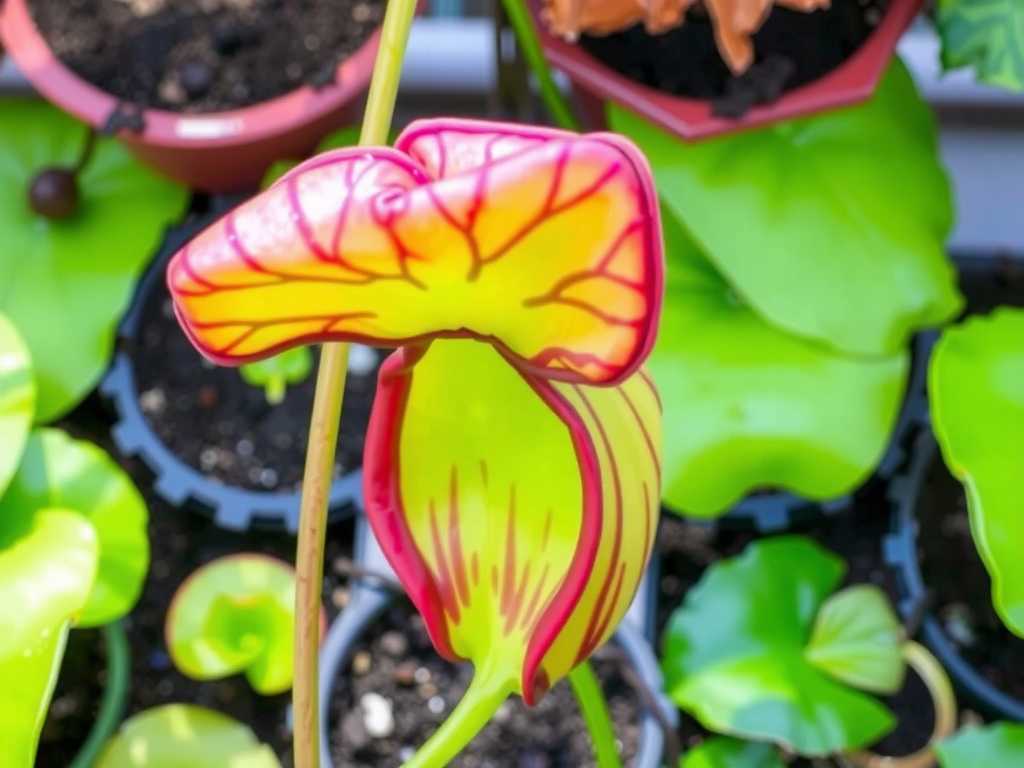
Seeing those vibrant red shoots break through after pruning is one of the most rewarding moments for a Nepenthes grower. It transforms a lanky vine into a promise of a denser, more pitcher-filled specimen. By timing your pruning for the US spring, you work with the plant’s natural rhythms. Remember the fundamentals: assess, make a clean cut above a node, avoid combined stressors, and provide consistent post-prune care. Embrace the process—even the missteps are valuable lessons that lead to a deeper understanding of these incredible carnivorous plants.





