 bluename
How to Care for Nepenthes Bought From US Nurseries Easily: A Beginner’s 2-Week Survival Guide
I remember the excitement of unboxing my first Nepenthes, a beautiful Nepenthes ventrata, shipped from a reputable nursery in Florida. The plant arrived with perfect, glistening pitchers, and I was thrilled. But within days, my excitement turned to panic. The pitchers began to shrivel, new growth stalled, and I was certain I had killed this fascinating carnivorous plant. If you’ve just received a Nepenthes from a US nursery and are worried about keeping it alive, I’ve been there. The transition from a professional greenhouse to your home is the most critical period. After much trial and error, I developed a simple, foolproof routine that works. Here’s my exact, step-by-step process, the results I saw over two weeks, and the mistakes I made so you don’t have to.
Understanding Your New Arrival: The Nursery-to-Home Shock
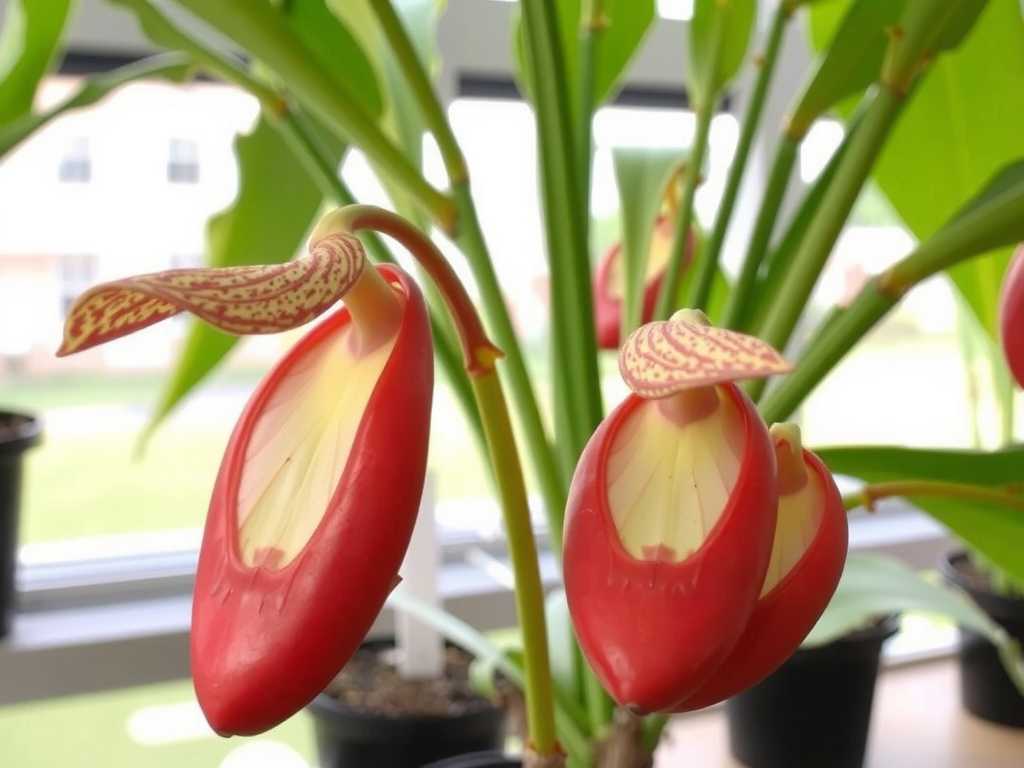
Your new Nepenthes has lived in near-ideal conditions: high humidity, perfect light, and expert watering. Our homes are nothing like that. The goal isn’t to perfectly replicate a nursery but to provide a stable, suitable environment that minimizes stress. The key factors are light, water, humidity, and substrate. Ignoring any one of these is the fast track to a declining plant.
My First 48-Hour Critical Care Protocol
When your plant arrives, resist the urge to repot or fuss over it immediately. It needs to acclimate.
Step 1: The Initial Inspection and Quarantine I carefully unpack my plant, checking for travel damage or pests (like aphids or scale). I then place it in a bright spot away from my other plants for a day or two. This quarantine period is crucial. I once skipped this and introduced fungus gnats to my entire collection. Now, I always do it.
Step 2: Hydration Without Drowning Nurseries often ship plants slightly dry to prevent root rot. I place the entire pot in a dish of distilled water, rainwater, or reverse osmosis water for about 30 minutes. Tap water, with its minerals and salts, is a major killer of Nepenthes. I learned this the hard way when my plant’s leaf tips browned dramatically in the first week. After the soak, I lift the pot and let it drain completely. Nepenthes hate “wet feet.”
Step 3: Finding the Right Light Fast Nepenthes need bright, indirect light. I place my new plant about 12-18 inches away from a large east or south-facing window (with a sheer curtain for south). Direct, harsh afternoon sun through a window can scorch leaves, as I discovered with a nasty sunburn on my Nepenthes sanguinea. If natural light is weak, I use a simple LED grow light placed 18 inches above the plant, running for 12-14 hours a day.
The Core 2-Week Stabilization Routine
This is the daily and weekly routine I followed religiously for the first two weeks to help my Nepenthes recover and start growing.
Creating a Humidity Microclimate Low humidity is the #1 reason new pitchers dry up. My home’s humidity was a dismal 30%. The American Horticultural Society (AHS) notes that while many Nepenthes adapt to lower humidity, the transition phase is critical. My solution was a simple humidity tray. I filled a wide tray with pebbles and a shallow layer of distilled water, placing the pot on top (never sitting in the water). This boosted the local humidity around the plant by 15-20%. Within a week, I noticed new, tiny pitcher buds (called tendrils) stopped aborting.
The Watering Rhythm That Works I stopped watering on a calendar schedule. Instead, I use the finger test. I stick my finger about an inch into the media. If it feels barely damp or dry, I water thoroughly from the top with distilled water until it runs out the drainage holes. I then empty the outer cache pot or tray. In my environment, this meant watering every 3-4 days. The Royal Horticultural Society (RHS) advises keeping the medium “moist but not waterlogged,” and this tactile method is the best way to achieve that.
To Feed or Not to Feed? A common worry is feeding. Healthy pitchers are the plant’s food source. My plant’s existing pitchers were still functional. I did not feed it any insects or fertilizer during these two weeks. The energy needed for digestion can stress an already stressed plant. The priority is root and leaf health, not digestion.
My 2-Week Observation Log and Turning Point
- Days 1-3: Plant looks tired. Some pitchers look wrinkled. No change in new growth. I fought the urge to overwater.
- Days 4-7: The color of the leaves improved, looking more vibrant green. The smallest new leaf at the center (the growth point) seemed slightly larger. A previously yellowing leaf stabilized but did not recover.
- Days 8-14: This was the turning point. The new leaf began to unfurl visibly. Two new tendrils extended from the tips of new leaves, and they were slowly swelling—a sign of new pitcher formation! The old, established pitchers remained plump. The plant had clearly stopped declining and started investing in growth.
The Repotting Question: When and How I did not repot during the first two weeks. Repotting adds massive stress. Unless the medium is clearly foul or the plant is root-bound and bursting its pot, wait at least a month. When you do repot, use an airy mix. My preferred blend, which solved my early root rot issues, is a 50:50 mix of long-fiber sphagnum moss and perlite. This provides moisture, aeration, and the slight acidity Nepenthes roots love.
Common Pitfalls and How I Fixed Them
Pitfall 1: The Crispy Brown Pitcher Disaster. I assumed my plant needed more sun and moved it to a blazing windowsill. The pitchers cooked and turned crispy. Fix: I moved it back to bright, indirect light immediately. Damaged pitchers won’t recover, but the plant will make new ones once conditions are right.
Pitfall 2: The Dreaded Leaf Drop. One of my lower, older leaves started yellowing rapidly. I panicked and overwatered. Fix: I realized a single old leaf dying is often normal acclimation. I let the media dry out more between waterings, and the yellowing slowed. I snipped the leaf off only when it was entirely yellow.
Pitfall 3: Zero New Pitchers. For months, my plant grew leaves but no pitchers. Fix: I reassessed all conditions. Humidity was the culprit. I grouped it with other plants and started misting the new tendrils lightly in the morning. This provided the extra humidity spike needed to initiate pitcher inflation.
Sustaining Your Nepenthes for the Long Term
After the successful two-week stabilization, care becomes simpler. Maintain bright, indirect light, water with pure water when the media surface feels dry, and keep humidity as high as you can. A monthly feeding of a single small insect (like a dried bloodworm) into a pitcher can boost growth, but it’s not essential. The greatest reward is watching those tiny tendrils slowly swell into intricate, beautiful pitchers—a sure sign your Nepenthes is not just surviving, but thriving.
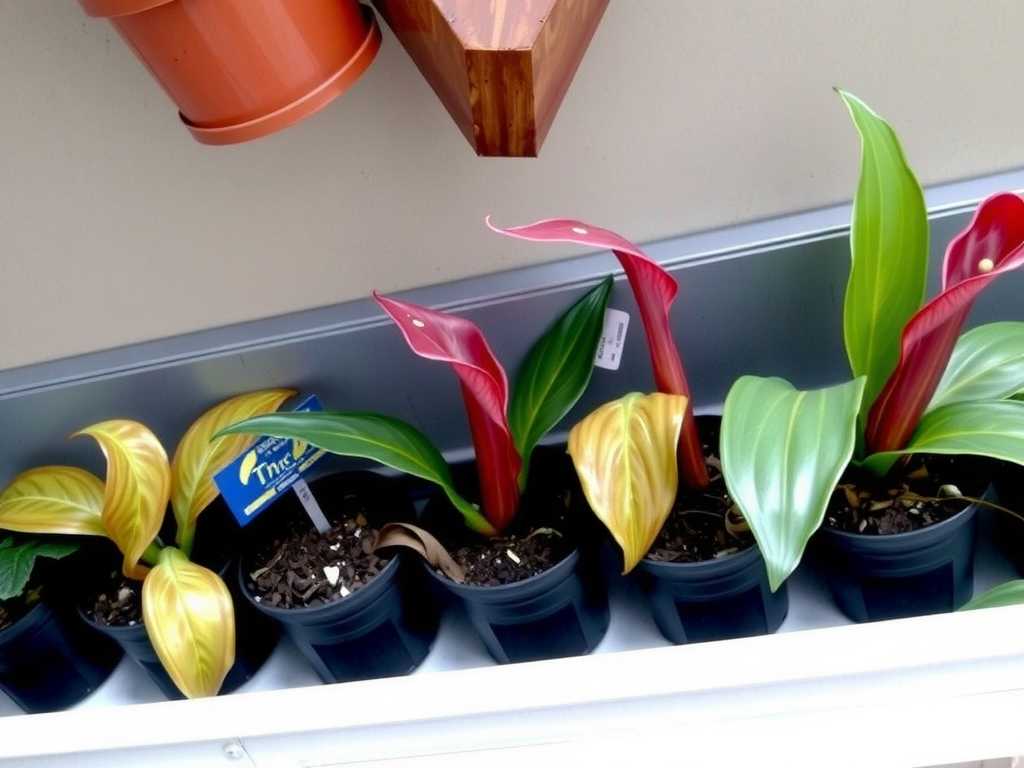
How often should I water my newly arrived pitcher plant? Forget a fixed schedule. Use the finger test. Water only when the top inch of the medium feels dry, and always use mineral-free water like distilled or rainwater. In most homes, this will be every 3-5 days.
Why are the pitchers on my new Nepenthes drying up? This is almost always due to a sudden drop in humidity. The plant is acclimating. Don’t remove the dried pitcher until it’s completely brown; it still provides some energy. Focus on boosting local humidity with a pebble tray or by grouping plants, and ensure your watering routine is correct.
Can I use tap water for my Nepenthes if I let it sit out? No. Letting water sit removes chlorine but not dissolved minerals like calcium and magnesium. These minerals accumulate in the soil and poison the roots over time. The consistent use of pure water is non-negotiable for long-term Nepenthes health. Investing in a gallon of distilled water is investing in your plant’s future.
Caring for a new Nepenthes is about patience and consistency, not perfection. By focusing on a stable environment—pure water, bright indirect light, and boosted humidity—you can guide your plant through the stressful nursery transition. My two-week journey from panic to seeing new pitcher growth proved that these methods work. Your plant might look fragile, but Nepenthes are resilient. Give it what it needs, avoid the common over-care mistakes, and you’ll be rewarded with a truly captivating and growing carnivorous companion.





