 bluename
How to Stop Nepenthes Root Rot in US Overwatered Gardens: A Grower’s Rescue Mission
I’ll be honest—the sight of my prized Nepenthes’ leaves turning yellow and drooping, its vibrant pitchers shriveling, sent a wave of panic through me. I had over-loved it, like so many of us do, especially here in the US where our gardening instincts often lean towards more water, not less. Root rot was the silent culprit, and saving my plant became a personal mission. Over the next two weeks, I documented every step, every setback, and every small victory in learning how to stop Nepenthes root rot. This guide is born from that hands-on, sometimes messy, experience, tailored for fellow US gardeners battling the same overwatering habits.
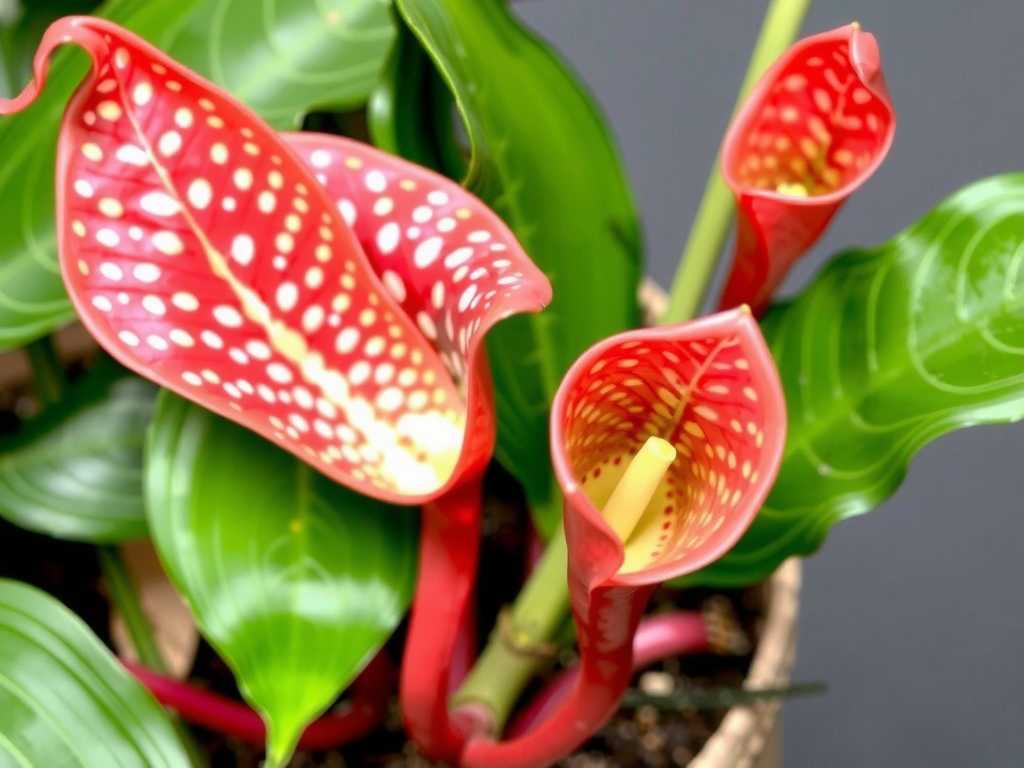
Understanding the Enemy: Why Nepenthes Roots Are So Vulnerable
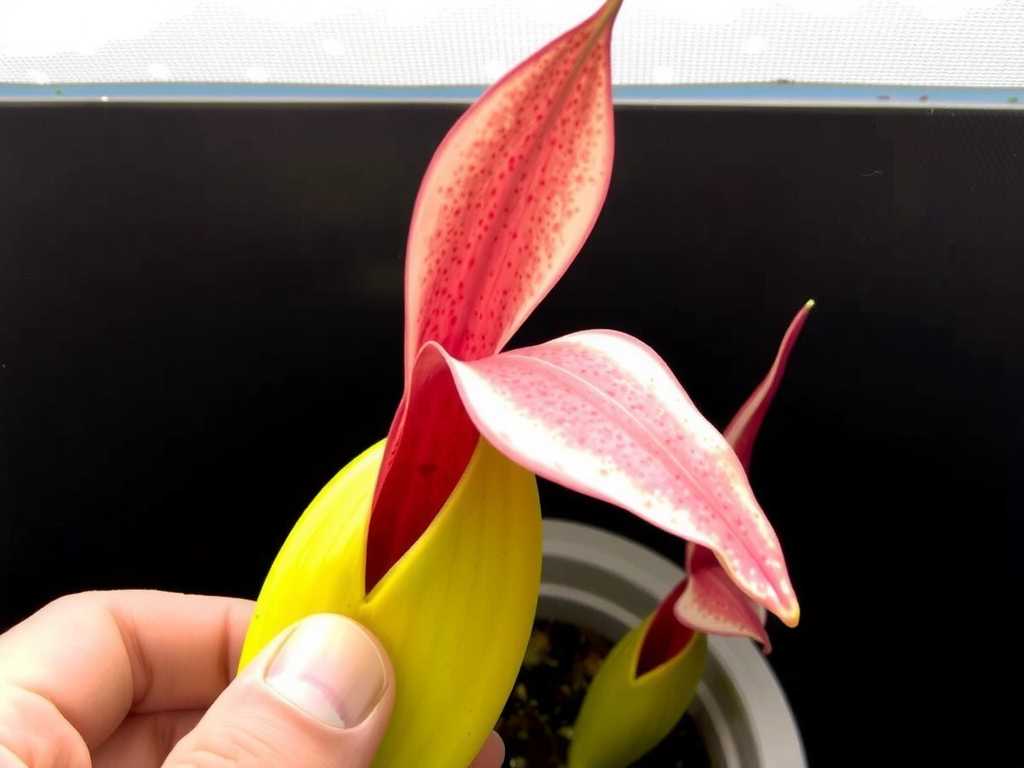
Nepenthes, or tropical pitcher plants, are epiphytes in their natural habitat. They cling to trees in Southeast Asia, their roots exposed to airy, well-drained moss and bark. They are not adapted to the dense, perpetually moist soil of a typical American garden or a standard potting mix. Root rot is a fungal disease, often caused by Pythium or Phytophthora, which thrives in soggy, oxygen-starved conditions. The American Horticultural Society (AHS) notes that over 80% of houseplant failures are due to improper watering, with root rot being a primary killer for moisture-sensitive species like Nepenthes.
My Two-Week Rescue Protocol: Step-by-Step
Step 1: The Critical Diagnosis and Unpotting I gently removed the plant from its pot. The smell was the first confirmation—a musty, unpleasant odor. The roots, which should be firm and white or light brown, were dark, mushy, and sloughed off to the touch. Healthy roots were few and far between. This is the definitive sign you’re dealing with root rot.
The First Mistake I Made: I rushed. In my panic, I started pulling at the root ball, likely damaging the few remaining good roots. The fix: I stopped, used a gentle stream of lukewarm water to wash away the old medium, and patiently untangled roots with my fingers.
Step 2: The Surgical Removal With sterilized scissors (I wiped them down with isopropyl alcohol), I meticulously cut away every single dark, soft root. This felt brutal. I had to remind myself that any rot left behind would spread. I cut back until I saw only firm, healthy tissue. In some cases, this left the plant with a shockingly small root system.
Step 3: The Fungicide Bath – A Non-Negotiable Step Simply cutting isn’t enough. Fungal spores are microscopic. I prepared a solution as per the label instructions of a copper-based fungicide, which is recommended by resources like the Royal Horticultural Society (RHS) for treating root diseases in ornamental plants. I soaked the remaining root mass and the base of the plant for about 20 minutes. This step is crucial to eradicate lingering pathogens.
Step 4: The Fresh Start – Repotting Correctly This is where most failures recur. I used a mix of long-fiber sphagnum moss and orchid bark (a 50:50 blend), which is airy and moisture-retentive without being waterlogged. The pot was crucial: a plastic pot with extensive drainage holes, and I even added extra ones on the sides near the bottom. I placed a layer of coarse bark at the base for added drainage. The plant was positioned so the crown (where stems meet roots) was well above the medium surface.
Step 5: The Post-Op Care – Patience is Key I did not water the plant immediately after repotting! The fresh moss was lightly moist. I placed the Nepenthes in a location with very high humidity (under a cloche) and bright, indirect light. I misted the leaves and surrounding air twice daily to reduce transpirational stress while the roots recovered.
The Two-Week Observation Diary: What Actually Happened
- Days 1-3: The plant looked terrible. Leaves were wilted, and I feared I had killed it. This is normal transplant shock.
- Days 4-7: No visible improvement, but no further decline either. I resisted the overwhelming urge to water it. Checking the moisture by touching the top layer of moss kept me from overwatering.
- Days 8-10: A slight firmness returned to one of the leaves. This was the first sign of hope—the remaining roots were beginning to function.
- Days 11-14: A tiny, bright red new growth point near the base became visible! This was the ultimate victory sign. The plant had stabilized and was initiating new growth.
Key Lessons and Proactive Measures to Prevent Overwatering
My near-disaster taught me that preventing Nepenthes root rot is far easier than curing it. Here’s my new regimen:
- The “Weight and Touch” Watering Method: I stopped watering on a schedule. I lift the pot. A light pot needs water; a heavy one doesn’t. I also feel the top inch of the moss. Only when it’s slightly dry to the touch do I water thoroughly from the top until water streams freely from the bottom.
- Pot and Medium are Everything: Terracotta pots can wick away too much moisture in dry US homes. I now prefer plastic or glazed ceramic with maximum drainage. The sphagnum-orchid bark mix is my standard.
- Environmental Harmony: Nepenthes need high humidity (60%+) to absorb moisture through their leaves, reducing reliance on roots. Using a humidifier or a pebble tray is essential, especially in arid or air-conditioned US homes. Good air circulation around the pot also helps keep fungal issues at bay.
Addressing Your Concerns: Common Questions Answered
Can a Nepenthes recover from severe root rot? Yes, but it depends on the extent of damage and the presence of a viable growth node (the crown). My plant had almost no roots left, but the crown was intact. If the crown is completely rotted, recovery is unlikely. The process requires patience—think in terms of months, not weeks.
What’s the best potting mix to avoid overwatering issues? A soilless, open, and acidic mix is mandatory. My successful blend is long-fiber sphagnum moss and perlite or orchid bark. Sphagnum moss has natural antifungal properties and provides the acidic environment Nepenthes crave. Avoid any standard potting soil or miracle-gro mixes, as they retain too much water and contain fertilizers that will burn the roots.
How often should I water my Nepenthes to prevent this? There is no universal schedule. Frequency depends on your home’s temperature, humidity, light, and pot size. In my moderately humid Midwest home, I water deeply about once a week during active growth in summer, and sometimes only every 10-14 days in winter. The plant’s needs and the medium’s dryness are your only reliable guides.
Watching my Nepenthes push out that new red shoot after two weeks of anxious waiting was immensely rewarding. The battle against root rot is ultimately a battle against our own habits. By understanding the plant’s epiphytic nature, using a sharply draining medium, and mastering the art of watering based on condition, not calendar, you can create an environment where these fascinating carnivores thrive, not just survive. Remember, the goal is to mimic the airy, moist-but-never-soggy conditions of their tropical homeland, right in your own US garden or windowsill.





