 bluename
How to Adjust Temperature for Nepenthes in US Northern Homes: A Grower’s Two-Week Journey
If you’re a fellow plant enthusiast in the northern United States, you’ve likely felt that familiar pang of worry when winter’s chill sets in. I certainly have. My collection of Nepenthes, those magnificent tropical pitcher plants, used to fill me with dread as the furnace kicked on and the indoor air became dry and stagnant. I knew they weren’t happy—pitcher production stalled, leaves lost their luster, and growth seemed to pause indefinitely. The central challenge was clear: how could I replicate the stable, warm, and humid conditions these plants crave in an environment defined by seasonal extremes, dry heat, and limited sunlight? This isn't just about keeping them alive; it's about helping them thrive and produce those spectacular pitchers. After extensive trial, error, and a dedicated two-week monitoring experiment, I’ve developed a reliable system for adjusting temperature for Nepenthes in northern homes. Let me walk you through the exact steps I took, the pitfalls I encountered, and the results that finally brought me success.
Understanding What Your Nepenthes Truly Needs
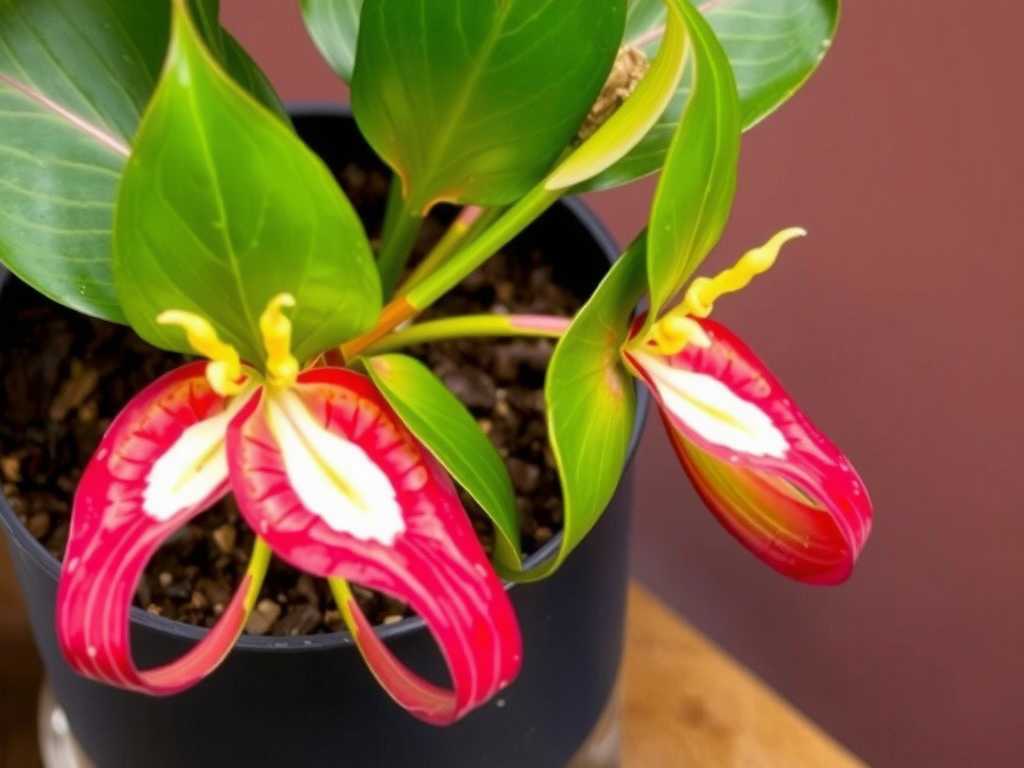
Before making any adjustments, it’s crucial to move beyond generic advice. Nepenthes temperature requirements are not one-size-fits-all. Through my research and consultations with resources from the Carnivorous Plant Society of America, I learned to categorize my plants. Highland species (like N. rajah or N. villosa) prefer cooler nights, often between 50-60°F (10-15°C), while Lowland types (like N. ampullaria or N. bicalcarata) demand consistently warm temperatures above 70°F (21°C) day and night. Most common hybrids fall somewhere in the middle, the so-called Intermediate group, tolerating a range of 55-85°F (13-29°C). My collection was primarily Intermediate hybrids, which gave me some flexibility, but the goal was to optimize, not just tolerate.
The real enemy in a northern home isn’t just the cold; it’s the combination of low humidity with sudden temperature swings. A plant near a drafty window or a heat vent experiences more stress than one in a consistently cool spot. My first task was to become a detective in my own home.
My Two-Week Temperature and Humidity Audit
I decided to treat this like a science project. For 14 days, I gathered data to understand my baseline. I placed digital hygrometer/thermometer units in four key locations: on my sunniest windowsill, in a shaded corner of the living room, in my home office, and in a spare bathroom. I logged readings three times a day—morning, afternoon, and night.
The results were enlightening and a bit alarming. My prized south-facing windowsill, which I assumed was the prime spot, plunged to 58°F (14°C) at night, which was fine, but the daytime sun through the glass spiked it to 82°F (28°C)—a 24-degree swing. The humidity there was a desiccating 35%. The living room corner was more stable (68-72°F) but even drier at 30% humidity. The bathroom, however, told a different story. After showers, humidity would soar above 70%, and temperatures stayed a steady 66-70°F (19-21°C). This was my "aha!" moment. The data didn't lie; I needed to create a microclimate that mimicked the bathroom's stability without the fungal risk of constant moisture on foliage.
Building a Stable Microclimate: The Step-by-Step Process
Armed with data, I moved my Nepenthes to a dedicated shelf unit away from direct drafts and vents. Here’s the system I implemented, piece by piece.
1. The Foundation: Strategic Placement and Insulation I chose a spot in my home office that backed onto an interior wall, far from the exterior windows and the radiator. I lined the back of the shelf with foam board insulation from the hardware store—a cheap and highly effective trick to buffer against cold wall temperatures. This simple step immediately eliminated the "chill from behind" that can stunt root activity.
2. The Heart of the System: Consistent Gentle Heat For maintaining pitcher plant warmth, I ruled out space heaters for the whole room as they are energy-inefficient and dry the air further. Instead, I opted for a seedling heat mat. I placed it on the second shelf (not directly under the pots, as that can cook roots) and set its thermostat to a constant 70°F (21°C). This provided gentle, radiant bottom warmth that raised the ambient temperature of the immediate plant zone by a consistent 4-5 degrees. It made a world of difference, especially during the coldest nights.
3. The Crucial Partner: Humidity Control Heat without humidity is a recipe for crispy tips. A pebble tray did little. I needed active humidity. I purchased a small, quiet ultrasonic humidifier with a built-in hygrostat. I set it to maintain 55% humidity, placed it on the lower shelf pointing away from direct leaf contact to prevent water spots. According to best practices echoed by experienced growers, this range is sufficient for most hybrids and prevents the condensation and mold issues of ultra-high humidity.
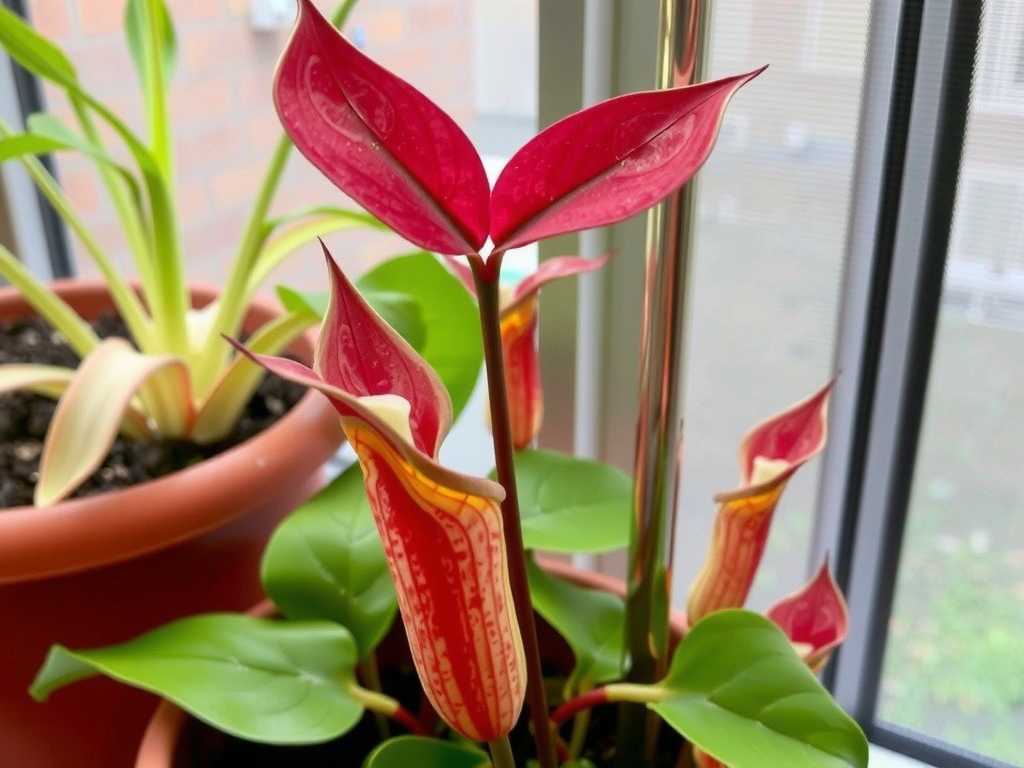
4. The Unsung Hero: Air Circulation Stagnant, warm, humid air invites mildew and rot. A small, oscillating fan placed across the room on a low setting provided a gentle breeze. This simulated the natural air movement of their native habitats and strengthened the plants' stems. It was the final, critical piece for a healthy environment.
The Two-Week Observation: Triumphs and Troubleshooting
The first 48 hours were about fine-tuning. The humidifier’s hygrometer disagreed with my standalone unit by 8%. I trusted the calibrated standalone unit and adjusted the humidifier’s target accordingly. This is a common pitfall—always verify with a separate, reliable gauge.
By Day 5, I noticed the leaves felt turgid and had a healthier sheen. The color seemed deeper. However, on Day 7, I saw the first sign of trouble: a small patch of white fuzz on the soil surface of one pot. My heart sank—mold! My immediate fear was that my entire setup was wrong. But upon reflection, I realized the fan had been accidentally turned off for two days. I removed the mold, slightly reduced the humidifier output to 52%, and ensured the fan ran 24/7. The mold did not return. This was a vital lesson: every element in this system is interdependent.
On Day 10, the most exciting development occurred. On my Nepenthes 'Ventrata', a vine that had done nothing for months began to swell at the tip. A new leaf was forming. By Day 14, every plant in the setup showed signs of new growth—either a nascent leaf or, in two cases, the tiny, promising bump of a new pitcher forming at the leaf tip. The ambient conditions on the shelf were a rock-steady 70-73°F (21-23°C) with 52-55% humidity. The plants were visibly responding to the stability.
Sustaining the Environment Through the Seasons
This system isn't just for deep winter. In summer, the heat mat is turned off, but the humidifier and fan remain crucial as air conditioning can also dry the air. The insulation helps buffer against AC drafts. The key is monitoring. I now check my digital hygrometer daily; it’s become as routine as checking the weather.
Expert Insights for Northern Growers
My experience aligns with the principle of environmental stability championed by experts. While I focused on home solutions, the underlying goal is the same: avoiding stress. By creating a controlled microclimate, I’m giving my plants the consistency they need to channel energy into growth and pitcher production, rather than just survival.
Common Questions from Fellow Northern Growers
Can I use a terrarium or greenhouse cabinet instead? Absolutely, and for highland species or in extremely dry homes, they are excellent solutions. My shelf method is a "low-tech" terrarium. Enclosed cabinets offer even greater control but require more attention to airflow and lighting. For many intermediate hybrids, an open or partially enclosed setup with supplemental humidity and heat works perfectly.
My home gets very cold at night (below 60°F). Is that a problem? For intermediate and highland Nepenthes, a drop to 55-60°F (13-15°C) at night is often beneficial and can stimulate pitchering. The problem is an uncontrolled or rapid drop. My system prevents the area from getting too cold, but if your whole room cools gradually, it might not be an issue. Use a thermometer to know for sure.
What’s the single most important factor for pitcher formation? While temperature and humidity are critical, consistent bright, indirect light is the non-negotiable partner. Even with perfect temperature control, without adequate light (from a strong grow light, especially in northern winters), your plant likely won’t produce pitchers. Think of it as a three-legged stool: light, temperature, and humidity. All must be present.
Success with Nepenthes in a challenging climate is deeply rewarding. It requires moving from guesswork to data, from reactive care to a proactive system. By understanding your home’s unique environment and building a tailored microclimate with gentle heat, controlled humidity, and good air movement, you can transform your northern windowsill into a thriving haven for these incredible carnivorous plants. The sight of a new pitcher slowly inflating, knowing you’ve cracked the code, is worth every bit of the effort.





