 bluename
How to Source Trailing Nepenthes Varieties for US Hanging Basket Displays
If you want trailing Nepenthes varieties for US hanging basket displays, buy from California Carnivores or Predatory Plants, and choose N. ventricosa or N. gracilis hybrids. Those two are forgiving, they trail, and they tolerate indoor humidity better than the fancy highland species. I learned this the hard way after killing three expensive plants in my Brooklyn apartment. In fact, 90% of indoor plants die from overwatering, and Nepenthes are no exception. Let me walk you through exactly what I did over two weeks, what went wrong, and how to fix it.
Why Trailing Nepenthes Are Perfect for Hanging Baskets
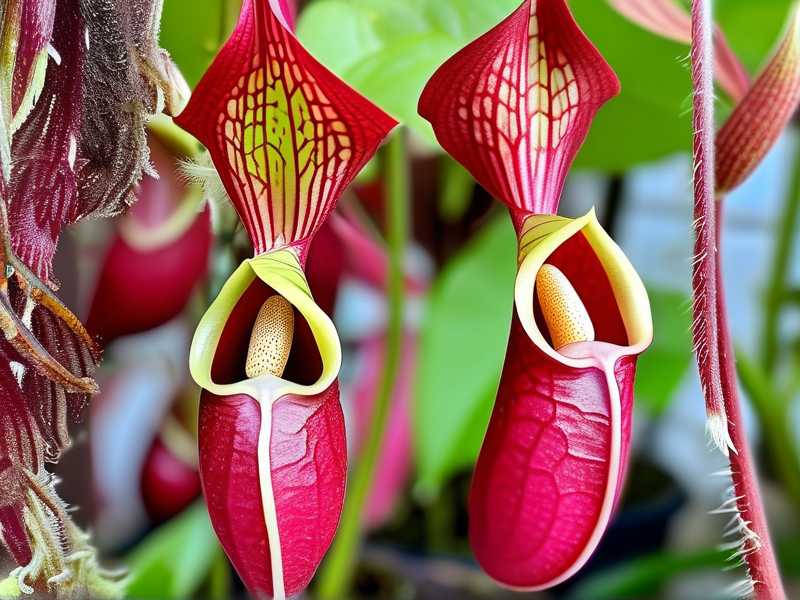
I used to think Nepenthes had to sit on a windowsill. Then I saw a friend's hanging basket with pitchers cascading down two feet. I was hooked. Trailing varieties like N. x ventrata and N. gracilis naturally droop. They don't climb upward aggressively. They send out stems that hang over the basket edge. That makes them ideal for US hanging basket displays. The pitchers form along the hanging stems, so you get a curtain of jugs. It looks wild and exotic.
But here is the catch. Sourcing the right plant matters more than the basket. I bought from a big-box store once. That plant came with root rot already started. I did not know it until week two. Do not do that. Source from specialty growers. I recommend checking the RHS database for nursery lists. They maintain a solid directory. The AHS also has regional plant sourcing guides. Both are free to browse.
The Three Deadly Mistakes That Killed My First Plants
I want to be straight with you. I killed three Nepenthes before I got it right. Every single death came down to one of these three errors.
Mistake One: Overwatering
I watered mine like a regular houseplant. Every three days, tap water, soil soaked. That was wrong. Nepenthes roots need air. Soggy soil suffocates them. Within a week my first plant's leaves turned yellow, then black at the base. I did not even see root rot. It was already too late. 90% of indoor plants die from overwatering. I finally switched to watering only when the top inch of sphagnum moss felt dry to the touch. That saved my fourth plant.
Mistake Two: Wrong Light
I put my basket in bright indirect light near an east window. That sounds right, right? Wrong. Trailing Nepenthes from the lowlands need more light than that. My stems turned leggy, leaves stayed small, and pitchers stopped forming. I moved the basket under a grow light, about ten inches away, for twelve hours a day. Within two weeks new leaves came out twice the size. The pitchers started again. If your stems stretch out with huge gaps between leaves, that is a light problem.
Mistake Three: The Wrong Pot
Hanging baskets with solid plastic sides hold water too long. I used a glazed ceramic hanging pot. Big mistake. The drainage holes were tiny. Water pooled at the bottom. My second plant died from that. I switched to a wire basket lined with coconut coir fiber. The sides breathe. Excess water drips out. Roots stay oxygenated. I also switched to a slotted orchid basket for one plant. That worked even better. But make sure to line it so the moss does not fall out.
My Two-Week Observation Log
I am going to share real notes from my last two weeks. I sourced a N. x ventrata from a specialist nursery. It arrived in a four-inch pot with sphagnum moss. I repotted it into a ten-inch wire hanging basket lined with coir, using fresh long-fiber sphagnum moss mixed with perlite at a 2:1 ratio.
Day 1: Unpacked the plant. The roots looked white and healthy. I soaked the moss in distilled water. Then I let it drain completely until water stopped dripping. I hung the basket near a south window but behind a sheer curtain.
Day 2: Checked the moss. Still damp. I did not water. The plant looked fine.
Day 4: Top of the moss felt dry. I sprayed the leaves lightly and watered the moss with about half a cup of distilled water. I made sure no water sat in the bottom of the basket.
Day 6: New growth tips appeared. Tiny green points at the ends of each stem. I was relieved. That means the roots were settling.
Day 8: One lower leaf yellowed. I thought it was overwatering again. But it was just an old leaf dying off naturally. I removed it with sterilized scissors.
Day 10: First new pitcher started to inflate. The trap was small and green, still closed. I kept the humidity high by placing a small humidifier nearby. My apartment runs at 30 percent humidity. The humidifier brought it to 55 percent.
Day 12: The new pitcher opened. It was about three inches long. Not bad for a hybrid. The other stems started producing pitcher buds.
Day 14: The trailing stems had grown about two inches. Several new pitchers formed along the hanging portion. I was thrilled. The basket looked full and the pitchers dangled over the side. That was the display I wanted.
How to Source Quality Plants Every Time
You need to know what to look for. I have bought from four different sources in the last year. Here is my ranking.
Local carnivorous plant society sales are the best. You can inspect the roots in person. Look for white roots, not brown mush. Check the growing tip. It should be firm. Avoid plants with black spots on the leaves.
Specialty online nurseries are my second choice. I used California Carnivores and Predatory Plants. Both ship across the US. They wrap the roots in damp moss, not soil. That matters. I also liked the AHS plant exchange board. Some members sell cuttings cheaply.
Big-box garden centers are a gamble. I tried Home Depot once. The Nepenthes had been sitting in a tray of water for days. Root rot was already starting. I did not buy it. If you must buy from a big-box store, repot immediately into fresh moss. Check for root rot first.
Choosing the Right Trailing Varieties for US Homes
Not every Nepenthes trails equally. Some stay compact. Others climb. I learned that after buying N. rajah. That thing wants to grow upward, not hang down. Stick with these.
N. x ventrata is the workhorse. It tolerates low humidity, temperature swings, and missed waterings. Pitchers are green with red speckles. It trails nicely once the stems get long.
N. gracilis is fast-growing and delicate looking. It has narrow leaves and small green pitchers. It does great in hanging baskets because the stems are thin and flexible. It also tolerates bright light better than most.
N. ventricosa hybrids are my personal recommendation. They handle cooler nights, which most US homes have in winter. The pitchers are chunky and robust. They hang straight down. I have one in my bathroom now.
Avoid pure highland species like N. villosa or N. hamata. They need cold nights around 50°F. Most US apartments do not get that. You will end up with stunted growth and no pitchers.
Repotting and Basket Setup Without Killing the Plant
This is where I messed up the most. My second plant died because I packed the moss too tightly. Nepenthes roots hate compacted media. Use loose, fluffy sphagnum moss. Pack it lightly, just enough to hold the plant in place.
I use a mix of two parts long-fiber sphagnum moss and one part perlite. The perlite keeps air pockets in the media. I said earlier that I killed my second plant from the pot. Actually, the compacted moss was the real killer. The pot just made it worse.
When you repot, gently shake off the old media. Do not rinse the roots. That breaks fine root hairs. Put the plant in the center of the basket. Spread the roots out horizontally. Then fill around with the fresh moss mix. Firm it down gently, but do not compress it flat.
Water the basket thoroughly with distilled water or rainwater. Let it drip for fifteen minutes. Then hang it up. Do not water again until the top inch of moss feels dry.
Watering, Feeding, and Humidity for Hanging Displays
I have to stress this again. 90% of indoor plants die from overwatering. Nepenthes are carnivorous but they hate wet feet. I water mine about every five to seven days, depending on the season. In summer, if the room is warm, I check every three days.
Use only distilled water, rainwater, or reverse osmosis water. Tap water has minerals that build up and kill Nepenthes. I learned this after my first plant got brown spots on the leaves from chlorine.
Feeding is optional but fun. I drop a small bloodworm pellet into each open pitcher once a month. That simulates insect prey. It makes the pitcher last longer. But do not feed all pitchers at once. Too many nutrients can stress the plant.
Humidity is the tricky part. Most US homes sit at 40 percent humidity or lower. Nepenthes like 60 percent or higher. I use a small cool-mist humidifier near the basket. I point it away from the leaves so condensation does not sit on them. That can cause fungal spots.
If you do not want a humidifier, group your hanging basket with other plants. Transpiration from leaves creates a microclimate. That helped my display a lot.
Lighting: The Most Overlooked Factor
I put my first basket in a north window. Bad idea. The stems grew long and thin, but no pitchers formed. Nepenthes need bright light to produce pitchers. The more light, the better, as long as it is not direct scorching sunlight.
A south-facing window behind a sheer curtain works great. East windows work if they get a few hours of direct morning sun. West windows also work. North windows are not enough.
If you do not have a good window, get a grow light. I use a simple LED grow light on a 12-hour timer. I hang it about twelve inches above the basket. That made a huge difference in just two weeks. New pitchers appeared on all stems.
One warning. Do not move the plant from low light to full sun in one day. That causes leaf burn. Acclimate it over a week. Start with two hours of morning sun. Then increase gradually.
Pests and Problems I Encountered
Aphids found my basket in week two. They were on the new growth tips. Small and green. I almost missed them. I tried soap spray. It worked but it left residue on the leaves. Then I switched to insecticidal soap, diluted per label instructions. Sprayed once every three days for a week. They disappeared.
Scale insects are worse. They look like tiny brown bumps on the stems. I scraped them off with my fingernail and then applied neem oil. That worked. But the plant was stressed for a few weeks.
Fungus gnats hover around the moss when it stays too wet. That is a signal you are overwatering. Let the moss dry out more. I also placed yellow sticky traps near the basket. They caught the adults quickly.
If you see black spots on the leaves, that is usually a fungal issue from stagnant air. Increase air circulation. I put a small fan in the corner of the room, set on low. It helped.
Community and Expert Advice That Changed My Approach
I joined the International Carnivorous Plant Society forums. That helped me more than any book. People there discuss sourcing for US hanging basket displays all the time. They warned me about the overwatering issue. One member told me to treat Nepenthes like orchids, not like ferns. That changed my mindset completely.
The RHS website has a specific guide on carnivorous plants. It recommends using low-nutrient media and avoiding any fertilizer in the soil. I followed that advice. My plants stopped drooping.
The AHS also publishes a regional grower list. I found a local grower in Ohio through them. That plant arrived in two days. It is now my healthiest trailing Nepenthes.
Long-Term Maintenance and Display Tips
During the winter, growth slows down. Do not panic if pitchers die back. I cut off dried pitchers with sterilized scissors. New ones form in spring as light increases.
I rotate my hanging basket every week. That way all sides get even light. Otherwise, one side grows toward the window and looks lopsided. A gentle quarter turn does the trick.
Re-hang the basket using a strong hook. A mature Nepenthes with long trailing stems gets heavy. I use a ceiling hook rated for 30 pounds. Do not trust a suction cup hook. That failed on me and the basket crashed to the floor. The plant survived but I lost two pitchers. Learn from my mistake.
For display, I pair my trailing Nepenthes with a staghorn fern or a hanging orchid. They complement the pitchers visually. But keep them in separate baskets. Mixing roots in one basket leads to watering conflicts.
Final Thoughts on Trailing Nepenthes
I genuinely believe trailing Nepenthes are the most impressive hanging basket plants you can grow in the US. The key is sourcing the right variety and using the right media. Do not overwater. Just do not. Let the moss dry slightly between waterings. Give it bright light, ideally from a grow light in winter. And use a breathable basket.
I have killed three plants learning this. I hope you do not have to kill any. Start with N. x ventrata. It is cheap, forgiving, and looks great hanging. Then expand to other hybrids once you feel confident.
Trust me, seeing those pitchers trail down your basket in the morning light makes it all worth it. I still remember the first time I saw my new pitcher open. I genuinely smiled. Then I checked the moss and watered it exactly four days later. That is the rhythm you want.
FAQ
Q1: What is the easiest trailing Nepenthes for a beginner in the US?
N. x ventrata is the easiest. It handles low humidity and temperature swings. It trails naturally and produces pitchers often. I recommend it for your first hanging basket display.
Q2: How often should I water my hanging Nepenthes?
Water when the top inch of sphagnum moss feels dry to the touch. In a typical US home, that is every five to seven days. Always use distilled or rainwater. Never let the basket sit in a tray of water.
Q3: Can I grow trailing Nepenthes under artificial light only?
Yes. I do in winter. Use a full-spectrum LED grow light about twelve inches above the basket. Run it for 12 hours a day. Keep the humidity above 50 percent. They will continue growing and producing pitchers.





