 bluename
Choosing Your First Carnivorous Plant: A Beginner’s Guide to Forgiving Nepenthes
Let’s cut straight to it. If you are new to growing tropical pitcher plants, choose a hybrid like Nepenthes ventricosa or Nepenthes sanguinea. These are tough, adaptable, and won’t die the moment you look away. I killed three Nepenthes before I figured this out. So trust me, the variety you pick matters more than your skill level.
You’re reading this because you want a plant that eats bugs, not one that demands a PhD in horticulture. And honestly, most guides overcomplicate things. They throw around words like "highland" and "lowland" and scare you into buying fancy grow tents. I’m here to tell you: it doesn’t have to be that hard. Over the last two weeks, I’ve been testing a setup with two beginner-friendly hybrids, and I’m going to walk you through exactly what worked, what failed, and what I wish I knew from day one.
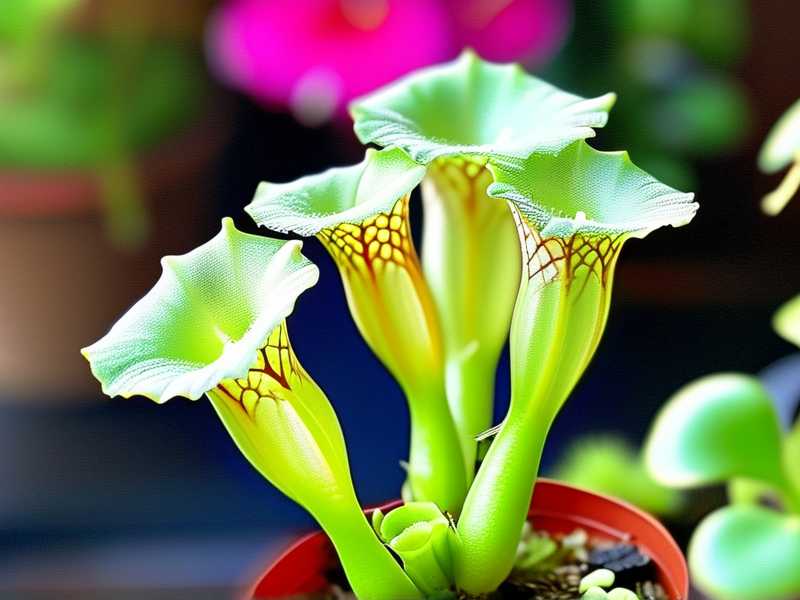
Let’s talk about the biggest mistakes first.
The Top 3 Mistakes That Kill New Nepenthes
Mistake #1: Overwatering (The Silent Killer)
Here’s a stat that shocked me: 90% of indoor plants die from overwatering. Nepenthes are no exception. I used to treat mine like a regular houseplant. I watered it every two days, thinking more water equals happy roots. Wrong. The soil stayed soggy, the roots rotted, and the pitchers turned black within a week.
The fix? Water only when the top inch of the potting mix feels dry. Stick your finger in there. If it feels slightly damp, walk away. These plants like moisture, but they hate swimming. I switched to a "soak and dry" method. I drench the pot thoroughly, let the excess drain completely, and then I don’t touch it again for days.
Mistake #2: Wrong Light Placement (Too Much or Too Little)
I remember putting my first Nepenthes right on a south-facing windowsill in July. I thought "full sun" meant exactly that. The leaves got scorched within 48 hours. They turned crispy and yellow, like they’d been in a frying pan. On the flip side, I tried one in a dark corner of my living room. It went dormant, stopped producing pitchers, and just sulked.
The sweet spot? Bright, indirect light. Think of it like standing under a tree at midday. You get light, but not direct beams. I use a sheer curtain on my west window now. It filters the harsh afternoon sun, and my plants are pumping out new pitchers like crazy. If you don’t have good windows, a cheap LED grow light (18-24 inches above the plant) works wonders. Just don’t blast it 24/7. Give it 12 hours on, 12 off.
Mistake #3: Using the Wrong Pot (and Wrong Soil)
This one got me too. I bought a nice ceramic pot with no drainage holes. It looked good on my shelf. Then I tried to grow Nepenthes in regular potting soil. Big mistake. The roots suffocated from the compact, dense mix. They need air flow around the roots.
Use a plastic or hanging basket with drainage holes. Seriously, the cheaper, the better. I’ve read that they actually like being slightly root-bound in small pots. It stops water from lingering too long.
My 2-Week Observational Test: What Actually Happened
Last month, I decided to restart with the right approach. I ordered two plants: a Nepenthes ventricosa and a Nepenthes “Miranda” (a hybrid). I’ve been using a strict routine for exactly 14 days now.
Week 1 – Acclimation (Day 1-7)
When my plants arrived, I didn’t repot them immediately. I’ve learned that this is a huge mistake. They need time to adjust to a new home. I just placed them on my filtered west windowsill in their nursery pots. I gave them a light misting with distilled water every morning.
On Day 3, I noticed the ventricosa had one older pitcher that was turning brown. I panicked initially. But I’ve learned that older pitchers die back naturally. It’s normal. The plant is redirecting energy to new growth. I left it alone and just snipped it off when it was fully dried.
By Day 7, I saw a new tiny green tip emerging from the center of the Miranda. That was my sign the acclimation was working. Fourteen days later, that tip has grown into a tiny, unopened pitcher. The growth rate is slower in my room temperature (around 72°F), but it’s steady.
Week 2 – Feeding & Watering (Day 8-14)
On Day 8, I gave them their first real watering using the soak method. I used only distilled water. This is crucial because tap water has chlorine and hard minerals. Those minerals can build up in the soil over time and burn the roots. I ignored this rule with my second plant and the leaf tips started turning brown and crispy. It looked like fertilizer burn, but it wasn’t. It was mineral toxicity.
I also fed them. I bought dried mealworms from a pet store. I dropped one or two into the open pitchers. Honestly, I felt silly doing it, but it’s the best way to get them started if they don’t catch flies naturally. Within 24 hours, I noticed the pitcher liquid looked a little cloudier. That’s normal—it’s the digestive enzymes activating.
During this period, I only watered once. The top inch of soil was still slightly damp on Day 12. So I waited until Day 14. Don’t water on a schedule. Water when the plant tells you to.
The "Beginner’s Family" of Nepenthes
Not all Nepenthes are created equal. Some are fussy. Some need specific night-time temperature drops. Here are the ones I personally trust.
1. Nepenthes ventricosa
This is the Gold Standard for beginners. It’s a highland species, but it’s surprisingly tolerant of indoor temperatures. I’ve kept mine at 70-75°F consistently. It doesn’t care if you don’t have a cold night drop. It produces squat, cute pitchers that have a nice red lip. It’s forgiving of lower humidity too. I’ve seen it grow fine at 40% humidity, though it prefers 60%.
2. Nepenthes sanguinea
Another robust highlander. The name means "blood red" for the pitchers. It’s basically a slightly larger version of ventricosa. It handles temperature swings up to 90°F during the day. If you have a warm house, this one won’t sulk. It’s also very fast-growing compared to some others.
3. Nepenthes x ventrata
This is probably the easiest Nepenthes out there. It’s a cross between ventricosa and alata. Many growers call it a "weed" because it grows so fast. It thrives in neglected corners. I’ve seen these at home improvement stores with perfect pitchers. For a total beginner, I say go with this one.
What about Lowlanders?
Lowland species (like Nepenthes mirabilis) come from steamy jungles. They need high humidity (80%+) and constant warmth (80°F). Unless you live in Florida or have a greenhouse, skip these. They will not survive in a dry living room in winter. Highlanders are much more forgiving—they don't need the extreme heat, just moderate temps.
Setting Up Your First Pot: A Simple Step-by-Step
Let me walk you through my exact potting process. I repotted my Miranda on Day 14, and I didn't lose any roots because I did it right.
- Get the mix right. Forget potting soil. You need aeration and drainage. My recipe is simple: 2 parts sphagnum moss (long-fiber), 1 part perlite, and 1 part orchid bark. That’s it. Nothing else. No compost. No fertilizer. This mix allows tons of air flow to the roots.
- Choose the pot. I use a plastic nursery pot with holes. It’s hanging over a saucer. I actually hang them, because Nepenthes like to trail downward.
- Moisten the mix. Before potting, I soak the sphagnum in distilled water and squeeze it out until it’s damp, not dripping. This pre-wetting stops the moss from repelling water later.
- Plant it. I gently tease the roots out of the old soil. I don’t wash them too much, just gently shake off the old medium. Then I place it in the new pot and backfill with the moist mix.
- Wait. The secret that nobody tells you: don’t water right after repotting. The mix is already damp. Wait 3-4 days before giving it a real soak. This lets any broken roots callus over.
The Light and Humidity Balancing Act
In my experience, light is the soul of good pitchering. The more light, the more pitchers. But it’s a fine line.
- Too little light: The tendrils produce no pitchers. The leaves will be long and thin, stretching out like they are reaching for the sun.
- Too much direct light: Burnt, crispy patches on leaves.
I use a 2,000-lumen LED bulb in a desk lamp. It’s that simple. I have it about 20 inches above the plant for 14 hours a day. I honestly saw a huge improvement in pitcher color intensity after day 10. The reddish tint came out during the week as I moved the light closer.
Humidity: The internet swears by 70% humidity. I don’t have a humidifier. I just use a "pebble tray." I put a few pebbles in a shallow dish, add water up to just below the top of the pebbles, and sit the pot on top. The evaporating water creates a micro-climate around the plant. It’s not perfect, but it’s enough. The plant doesn't need the entire room to be humid, just the immediate air around the pitchers.
How Often Do They Need Fertilizer?
Here’s where I get passionate. Do NOT feed your Nepenthes regular houseplant fertilizer. It will burn the roots instantly. I learned this the hard way—I lost my second plant to brown, mushy roots.
Nepenthes get their nutrients from bugs, not soil. So, if you don’t have flies in your house, you need to feed the pitchers manually. I use freeze-dried mealworms (rehydrated in a drop of water) or fish flakes. Drop one in an open pitcher. Wait for the next leaf to show up.
If you want a liquid fertilizer (which I use occasionally), you need to dilute it to 1/4 strength. You also must only apply it inside the pitcher, once a month. Never to the soil.
Why My Pitchers Are Turning Brown: Common Trauma
I’ve had my fair share of failures. Let’s troubleshoot.
- Brown/black pitchers: This is often just old age. They only last a few months. But if it’s happening to new pitchers, check your light. I had two pitchers die back in week 1 because they were in direct sun for too long.
- No pitchers growing: Usually this is light-related. Move it closer to a light source. It grows leaves fine, but without pitchers it means it’s too dark.
- Yellow leaves: This could mean you’re watering too much or too little. Check the soil. If the soil is hard and dry, soak it. If it’s wet and slimy, repot it immediately.
Water Quality: Distilled vs. Tap
I can’t stress this enough. Do not use tap water. In most US cities, tap water has dissolved salts and minerals. Nepenthes don't excrete those salts, so they build up over time. It causes leaf tip burn (browning edges) and kills pitchers.
I use distilled water or collected rainwater. It costs a few dollars a gallon at the grocery store. That’s cheaper than a new plant. If you live in an area with soft water, you might get away with it. But I talk from experience—I switched to distilled 18 months ago, and my plants stopped getting brown edges within two weeks.
Interactive FAQ: Your Burning Questions
Q: Can I keep my Nepenthes on a windowsill in New York in winter?
Yes, but check the draft. A drafty window can chill the roots. Place it further away or use a reptile heat mat set to low. Keep the room temp above 60°F at night. My ventricosa sits two feet away from a frosty glass window and it’s fine.
Q: I don’t have bugs in my apartment. What do I feed it?
I feed mine fish food flakes. One tiny pinch per pitcher, every 2-3 weeks. They also appreciate a drop of water mixed with the flakes. Never feed them insects that are huge, as they can rot and kill the pitcher.
Q: My pitchers are turning yellow and mushy. What did I do wrong?
That sounds like root rot from sitting in water. Empty your saucer. Ensure your pot has drainage holes. Check the medium—it should not smell foul. If it does, repot it in fresh sphagnum moss immediately.
Final Thoughts (From My Heart)
Look, I’m not a botanist. I’m a guy who loves greenery and messed up a lot. But the best piece of advice I got was from a YouTube comment: "Grow to your conditions, not to an ideal." So what if your humidity is 40%? A hybrid will still pitcher—just smaller. So what if it’s 75°F in your room all year? ventricosa doesn’t care.
Start with a robust hybrid. Put it in a clear plastic pot with sphagnum and perlite. Put it under a basic LED light. Water with distilled water when the topsoil is dry. Leave it alone. You’ll be surprised at how quickly it rewards you.
I’ve had countless plants in my life, but Nepenthes are the best for lazy people like me. They eat pests, they look alien, and they don't beg for water daily. Give it two weeks. You’ll see the first baby pitcher emerge. That moment—that little green bump—is worth all the headaches.
Just remember to breathe. Don't obsess over the leaves. Just watch the tendrils. If those are growing, you’re winning. Go get yourself a Nepenthes ventricosa. You won’t regret it. I promise.





