 bluename
How to Fix Brown Nepenthes Tips: A Complete Guide for American Indoor Growers
If you're an American indoor gardener staring at your beloved Nepenthes pitcher plant in dismay, watching the once-vibrant green tips of its pitchers or leaves turn an unsightly brown, you're not alone. This frustrating issue is one of the most common challenges faced by growers cultivating these exotic carnivorous plants indoors. That crisp, brown discoloration isn't just a cosmetic flaw; it's a distress signal from your plant, indicating that something in its carefully balanced environment is off. The good news is that in most cases, how to fix brown Nepenthes tips is a solvable puzzle. This comprehensive guide will walk you through the precise causes and actionable solutions to restore your plant's health and prevent future browning, turning confusion into confidence.
Understanding that browning tips are a symptom, not the disease itself, is the first step. We'll diagnose the primary culprits—water quality, humidity, light, and nutrition—and provide clear, step-by-step remedies tailored for the unique conditions of an American home.
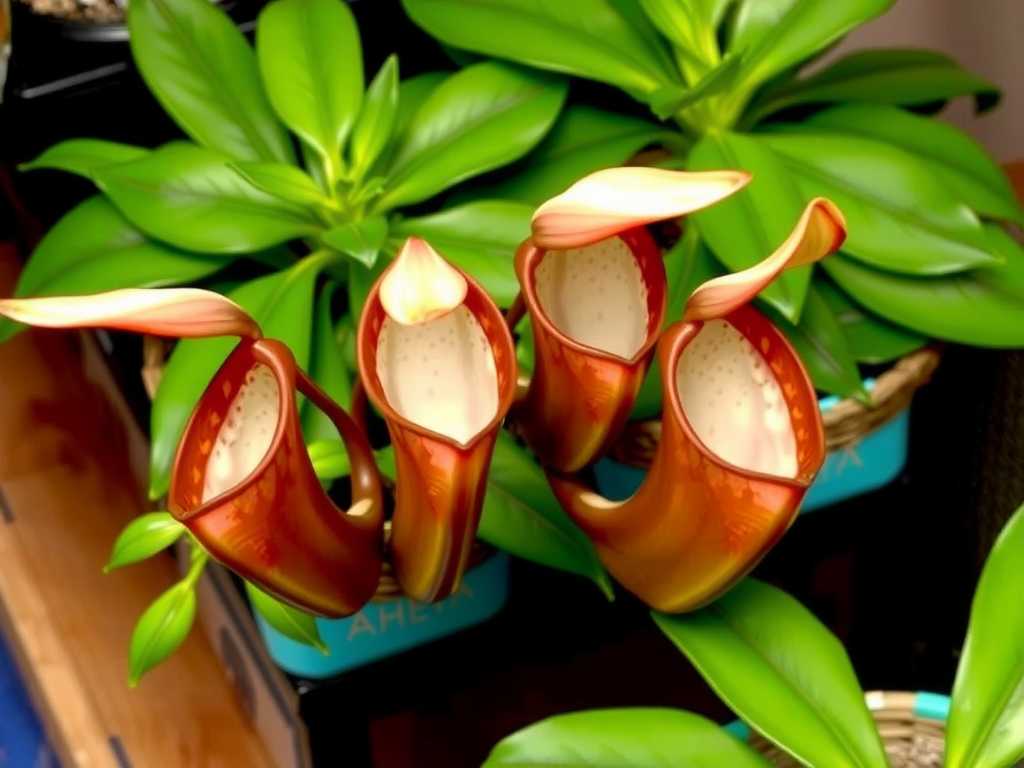
Diagnosing the Cause: Why Are My Nepenthes Tips Turning Brown?
Before you can treat the problem, you need to identify it. Browning can manifest differently depending on the underlying issue. Is it the leaf tips, the tendril tips (where the pitcher forms), or the pitcher lids themselves that are crisping? Sharp, localized browning often points to acute stress, while widespread, gradual browning suggests a chronic condition.
The #1 Culprit: Water Quality and Mineral Burn
For Nepenthes, water is everything. These plants evolved in nutrient-poor environments and have incredibly sensitive roots. The most frequent cause of brown tips on Nepenthes pitchers is the use of tap water.
- The Problem: American tap water, even when deemed safe for human consumption, almost always contains dissolved minerals like calcium, magnesium, and salts (measured as Total Dissolved Solids or TDS). Over time, these minerals accumulate in the potting medium, creating a toxic, alkaline environment that "burns" the delicate root hairs. This root damage impairs the plant's ability to uptake water, and the stress manifests as browning, starting at the most vulnerable points: the tips.
- The Evidence: Look for a white, crusty buildup on the surface of the potting mix or around the drainage holes of your pot. This is a clear sign of mineral accumulation.
Humidity: The Invisible Necessity
Nepenthes are tropical plants, and most species thrive in humidity levels between 60% and 80%. The average American home, especially during winter when heating systems run, often has humidity as low as 20-30%.
- The Problem: Low humidity accelerates transpiration (water loss through leaves). When the air is too dry, the plant loses water faster than its roots can absorb it, leading to dehydration. The tender, growing tissues at the tips are the first to dry out and die, resulting in dry, crispy brown tips on new leaves and developing pitchers. A pitcher may even form but abort and brown before opening if humidity is insufficient.
- The Evidence: Browning is accompanied by pitchers that fail to inflate properly or that dry up shortly after forming. You may also notice leaf edges becoming slightly crisp.
Light Stress: Too Much of a Good Thing
While Nepenthes need bright, indirect light, the intense, direct afternoon sun through a south or west-facing window in much of the U.S. can be too harsh.
- The Problem: Direct sunlight can scorch the leaves and pitchers, causing sunburn. This appears as bleached, yellow, or brown patches, often on the side of the plant facing the light. The thin tissue of the pitchers and new growth is particularly susceptible. This is different from the uniform tip browning caused by water or humidity issues.
- The Evidence: Browning or bleaching appears in patches, not just at the tips, and correlates with the plant's sun exposure during the hottest part of the day.
Nutritional Missteps: A Delicate Balance
Feeding your Nepenthes incorrectly is a common mistake. These plants get nutrients from their prey, not from rich soil or standard fertilizers.
- The Problem: Using a standard houseplant fertilizer in the soil is a surefire way to cause root burn and tip browning, mimicking mineral toxicity. Conversely, a complete lack of nutrition for a mature plant in a sterile indoor environment can also lead to weak, stunted growth, though it's a less common direct cause of browning tips.
- The Evidence: Browning following a recent application of fertilizer to the soil points to chemical burn. Stunted, weak growth over a long period may indicate a need for safe, foliar feeding.
The Step-by-Step Fix: Correcting Brown Tips on Nepenthes
Now that you've diagnosed the likely cause, follow this actionable plan to halt the browning and promote recovery.
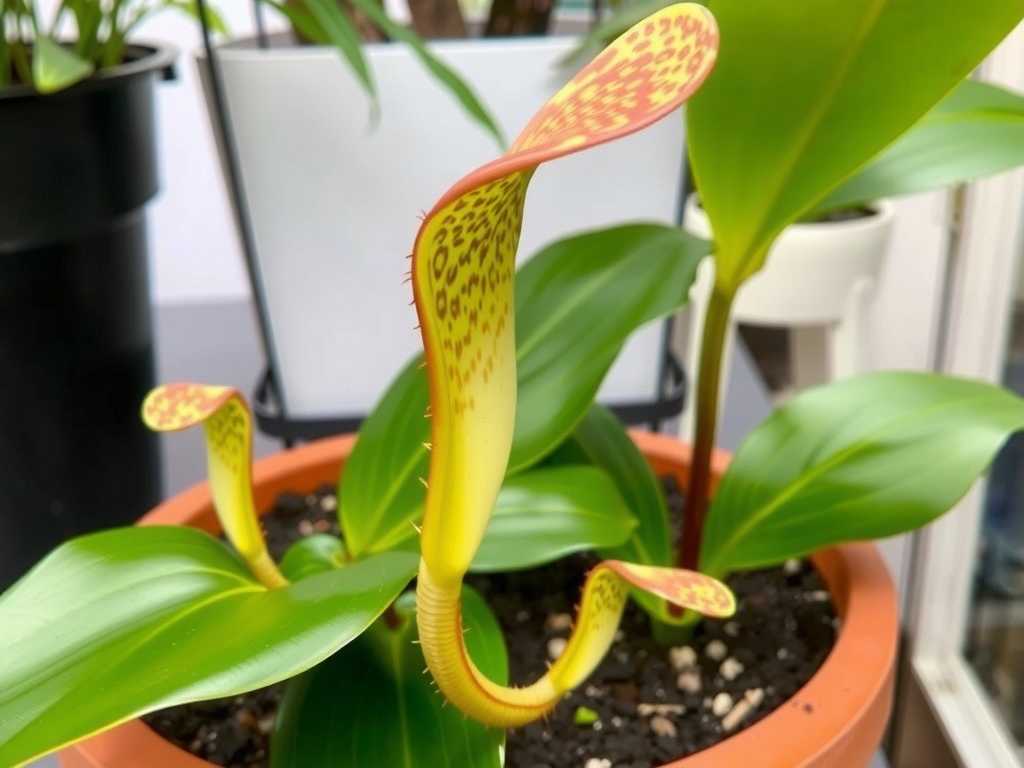
Step 1: Immediately Switch Your Water Source
This is non-negotiable and should be your first action.
- Ideal Water: Use rainwater, distilled water, or reverse osmosis (RO) water. These have a TDS near zero and are perfectly safe.
- Practical Tip: Collecting rainwater is cost-effective and eco-friendly. For indoor growers, purchasing distilled water from grocery stores or investing in a small RO system are reliable solutions. As noted by experts at the International Carnivorous Plant Society, consistent use of low-mineral water is the single most important factor in long-term Nepenthes health.
- Flush the Pot: If you see mineral buildup, thoroughly flush the pot with copious amounts of distilled or rainwater to leach out accumulated salts. Water until it flows freely from the bottom for a full minute.
Step 2: Optimize Your Humidity Environment
Increasing humidity is crucial for preventing Nepenthes pitcher browning and encouraging new, healthy growth.
- Humidity Tray: Place your pot on a wide, shallow tray filled with pebbles and a half-inch of water. The pot should sit on the pebbles, not in the water. As the water evaporates, it creates a localized humid microclimate.
- Room Humidifier: This is the most effective method for indoor growers. A cool-mist humidifier placed near your plant collection can reliably maintain ideal levels. The American Horticultural Society recommends humidifiers for creating consistent environments for tropical plants in dry climates.
- Grouping Plants: Cluster your Nepenthes with other humidity-loving plants. Their collective transpiration raises the local humidity.
- Avoid Misting: While popular, misting provides only a temporary spike in humidity and can promote fungal growth on leaves if overdone. Focus on creating stable, ambient humidity instead.
Step 3: Assess and Adjust Light Exposure
Provide bright, indirect light. An east-facing window is often perfect. A south or west window may require a sheer curtain to diffuse the intense midday sun.
- Grow Lights: For homes with poor natural light, LED or fluorescent grow lights are excellent. Provide 12-14 hours of light per day, ensuring the lights are not so close as to generate excessive heat that can dry out the plant.
- Observation: Monitor your plant. Lush, slightly reddish or bronzed growth often indicates ideal light levels. Pale, elongated growth means more light is needed; scorched, crispy patches mean less direct intensity is required.
Step 4: Implement a Safe Feeding Protocol
For nutrition, think like a pitcher plant.
- Natural Prey: If possible, allow your plant to catch its own gnats or fruit flies. This is the most natural and safe method.
- Manual Feeding: You can drop a single, small, dead insect (like a dried bloodworm or a fruit fly) into an active pitcher once every 2-4 weeks. Do not overfeed; one insect per pitcher is plenty. Never use raw meat or human food.
- Foliar Feeding (Advanced): A highly diluted orchid or epiphytic fertilizer can be applied as a fine mist to the leaves only, and only during the active growing season (spring/summer), at 1/4 strength or less. Avoid getting it in the soil.
Long-Term Care to Prevent Recurrence
Consistency is key. Your Nepenthes doesn't need constant change; it needs a stable, suitable environment.
- Potting Mix: Ensure you are using an airy, acidic, and nutrient-free medium. A common mix is long-fiber sphagnum moss with perlite or orchid bark. Repot every 1-2 years to refresh the medium.
- Watering Practice: Water when the top layer of moss feels just slightly damp. Never let the plant sit in standing water (unlike some other carnivores), but never let it dry out completely. The goal is consistently moist, not soggy.
- Seasonal Adjustments: Be mindful of seasonal changes. Winter often brings dry air (increase humidity efforts) and lower light (consider a grow light supplement). Reduce any feeding during the cooler, slower-growing months.
Frequently Asked Questions
Can I cut off the brown tips? Yes, for aesthetic reasons. Using sterile scissors, you can trim the brown tissue off, following the natural shape of the leaf or pitcher. Make a clean cut just into the healthy green tissue. However, remember this is only cosmetic; it does not cure the underlying problem, which must be addressed separately.
My new pitcher is turning brown before it opens. What does this mean? This is almost always a sign of humidity being too low or sudden environmental stress (like a drastic temperature change or being moved). The developing pitcher is extremely tender. Focus on stabilizing the environment, particularly ensuring high and consistent humidity as the new pitcher forms and inflates.
I’m using distilled water and have a humidifier, but I still see some browning. What now? Re-evaluate light exposure for potential scorch. Also, consider the age of the pitcher. Individual pitchers have a lifespan (often several months) and will naturally brown and die off from the top down as they age. This is a normal part of the plant's cycle. Concern yourself with browning on new growth and pitchers, not the natural senescence of old ones.
Successfully growing Nepenthes indoors is a rewarding practice that hinges on mimicking their native tropical habitat. Brown tips are a clear communication from your plant, not a sign of failure. By systematically addressing water purity, ambient humidity, appropriate light, and gentle nutrition, you can decode this message. The path to vibrant, pitcher-producing plants lies in providing consistent care rooted in understanding. With patience and these targeted adjustments, you can stop the browning, encourage spectacular new growth, and enjoy the unique beauty of a healthy Nepenthes for years to come.





