 bluename
How to Care for Nepenthes in USDA Zone 10 for Hot Summers
You’ve fallen in love with the exotic beauty of pitcher plants, those fascinating carnivorous wonders known as Nepenthes. But if you’re gardening in the relentless heat of USDA Zone 10, you might be worried. Your dream of growing lush, pitcher-filled vines seems to clash with the reality of scorching sun, intense humidity, and nights that rarely offer a cool break. The question isn't just if you can grow Nepenthes here, but how to help them not just survive, but truly thrive. This guide is designed specifically for you, the Zone 10 gardener, to turn those challenges into a successful growing strategy.
Understanding Your Zone 10 Nepenthes Environment
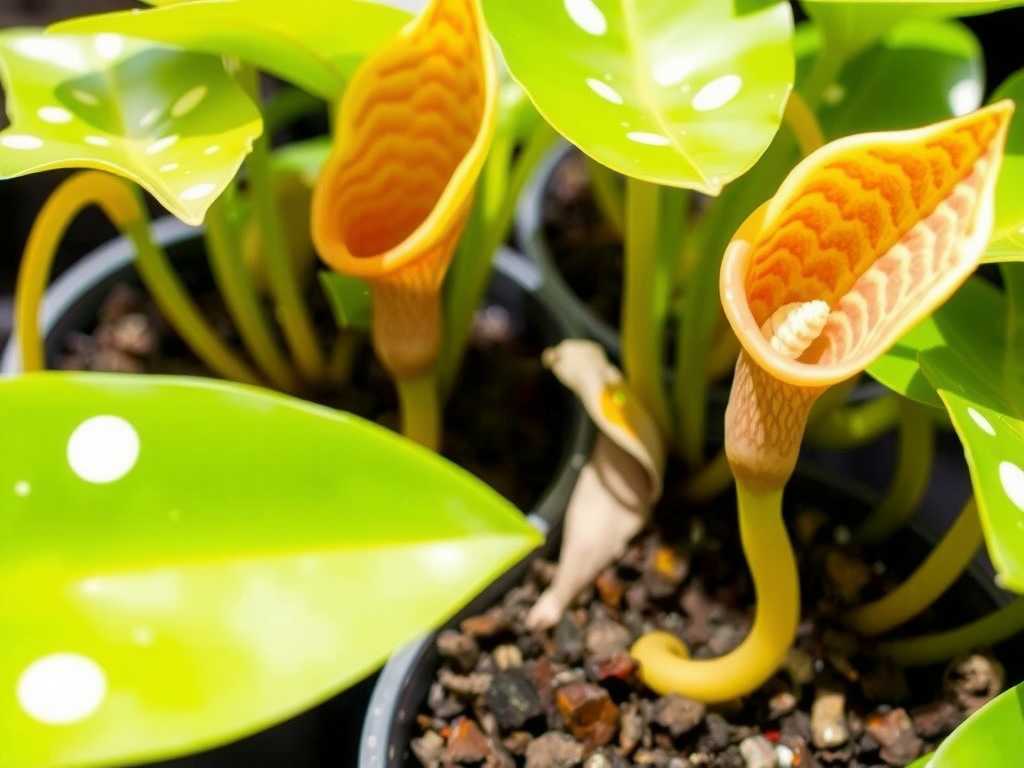
First, let’s define the playing field. USDA Zone 10 encompasses minimum winter temperatures of 30 to 40°F (-1 to 4°C), which is fantastic for Nepenthes as they hate frost. The real challenge is the summer: prolonged temperatures consistently above 90°F (32°C), high humidity, and intense solar radiation. For many highland Nepenthes species that prefer cooler nights, this can be stressful. However, by selecting the right plants and modifying their microclimate, success is within reach.
Selecting the Right Nepenthes for Hot Climates
Your single most important decision is plant selection. Opting for species and hybrids naturally adapted to warm, lowland conditions is 90% of the battle.
- Ideal Lowland & Hybrid Varieties: Focus on species native to tropical lowlands. Excellent choices include Nepenthes ampullaria, N. gracilis, N. mirabilis, and the incredibly resilient N. ventricosa. For beginners and hot climates, hybrids are often superstars. Look for robust hybrids like N. ‘Ventrata’ (a cross of N. ventricosa and N. alata), N. ‘Miranda’, or N. ‘Bloody Mary’. These are bred for vigor and tolerate a wider temperature range.
- Plants to Avoid (Generally): Be cautious with strict highland species like N. rajah, N. villosa, or N. lowii. They require significant day-night temperature drops that are difficult to achieve without artificial cooling in Zone 10 summers.
Mastering the Art of Shade and Light
In Zone 10, full sun is often a recipe for scorched leaves and stalled pitcher production. Nepenthes need bright, but filtered, light.
- Optimal Light Setup: Aim for 50-70% shade. This can be achieved using a shade cloth (50% density is a great start), placing them under a canopy of tall trees that provide dappled sunlight, or on a covered patio with eastern exposure for gentle morning sun.
- Signs of Light Stress: If leaves are turning yellow or red prematurely or feel hot to the touch, it’s too much sun. Conversely, dark green, leggy growth with few pitchers indicates too little light.
Creating the Perfect Watering and Humidity Routine
Consistent moisture and ambient humidity are non-negotiable for healthy pitcher formation.
- Water Quality is Critical: Always use low-mineral water. Rainwater, distilled water, or reverse osmosis (RO) water are perfect. Tap water in many areas contains dissolved salts that will slowly poison your plant. As expert grower and author Barry Rice notes in Growing Carnivorous Plants, "The single most common cause of death for cultivated carnivorous plants is the use of mineral-rich water."
- Watering Technique: Keep the growing medium perpetually damp but not waterlogged. The "tray method" (keeping the pot in a shallow saucer of water) can work in heat if the medium is very airy, but better is to water thoroughly from the top when the surface feels slightly dry.
- Boosting Humidity: While Zone 10 air humidity is often high, microclimates can be dry. Grouping plants together creates a humid pocket. For patio or balcony growing, a simple humidifier used during the hottest part of the day can work wonders. Avoid misting pitchers directly.
Potting Mix and Container: The Foundation of Health
A soggy, dense root system is a death sentence. Your potting mix must drain exceptionally well while retaining some moisture.
- The Ideal DIY Mix: A standard and effective recipe is a 1:1:1 ratio of long-fiber sphagnum moss, perlite, and orchid bark (fir bark or coconut husk chips). The sphagnum retains moisture, while the perlite and bark create essential air pockets.
- Pot Choice: Use plastic or glazed ceramic pots with ample drainage holes. Avoid terra cotta, as it wicks moisture away and can accumulate mineral salts. Hanging baskets are excellent for trailing species and improve air circulation.
Feeding Your Carnivorous Plant
If your plant is producing pitchers, it’s feeding itself! Do not fertilize the soil with standard plant food.
- Natural Feeding: Allow the plant to catch insects on its own. If grown indoors or in a very protected area, you can occasionally drop a small, soft insect (like a fly or a diluted drop of max-strength fish fertilizer into the pitcher only) into a few pitchers every month during the growing season.
- What Never to Do: Never pour fertilizer into the soil. Never feed it meat or human food. The pitchers are the stomachs; leave the roots for water and anchorage only.
Seasonal Adjustments for Zone 10 Summers
Your care must adapt to the peak heat.
- Peak Summer (June-August): This is the most critical period. Ensure shade is at its maximum. Watering frequency will increase—you may need to water daily. Monitor humidity closely. Consider moving potted plants to the coolest, most shaded location you have.
- The Milder Seasons (Fall, Winter, Spring): These are often your plant’s prime growing times in Zone 10. You can gradually increase light exposure (a bit more morning sun). Watering will be less frequent. Enjoy the surge in growth and pitcher production.
Common Problems and Solutions in Hot Weather
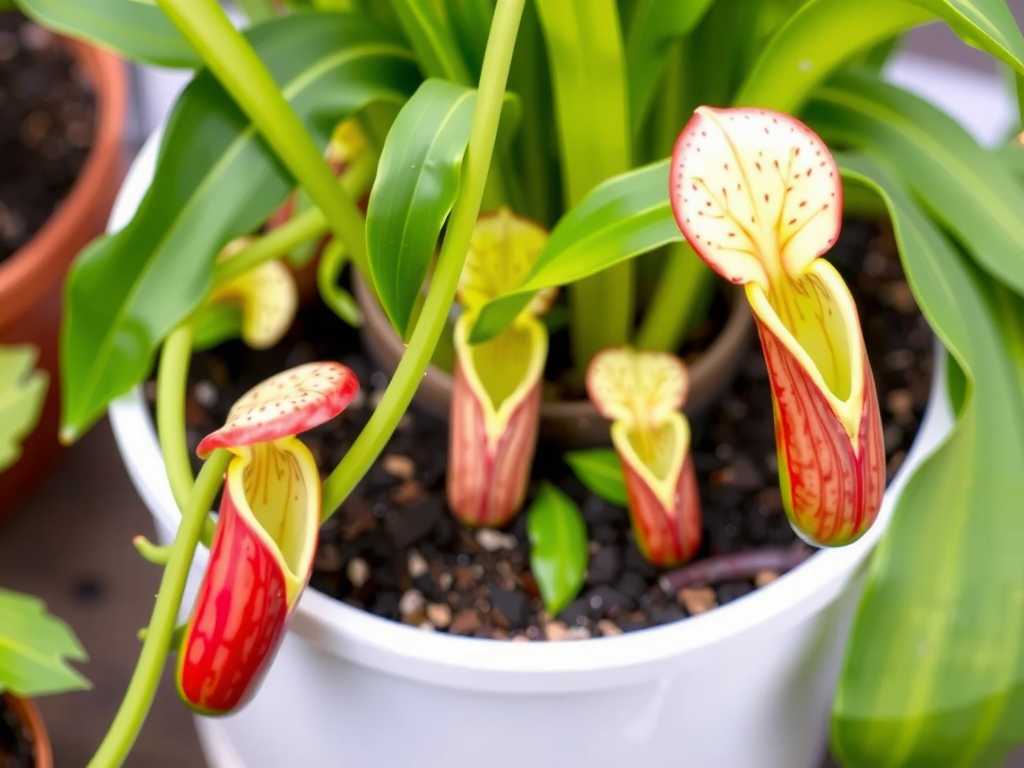
- Brown, Crispy Leaves/Pitchers: Usually a combination of too much direct sun and low humidity. Increase shade and local humidity.
- No New Pitchers: The most common culprits are insufficient light (too dark), humidity that’s too low, or a lack of a climbing structure for vining types. Review your light and humidity first.
- Mold or Fungus: In high heat and humidity, air circulation is vital. Increase spacing between plants, use a small fan on low, and remove any dead leaves promptly.
Can I grow Nepenthes outdoors year-round in Zone 10? Absolutely. The lack of freezing winters makes Zone 10 ideal for year-round outdoor growth for lowland and hybrid varieties. The key is managing the summer heat through strategic shading and consistent watering.
What is the biggest mistake new growers make in hot climates? Using the wrong water and providing too much direct sun. Investing in a source of purified water and a $20 shade cloth will prevent the vast majority of beginner problems.
My plant survived but isn’t making pitchers. What’s wrong? Pitcher production is the plant’s signal of happiness. Its absence typically points to a humidity or light issue. These plants need that humid, bright, "jungle understory" environment. Try moving it to a more protected, humid spot with strong filtered light and be patient as it adjusts.
Growing Nepenthes in USDA Zone 10 is a rewarding journey of creating a miniature tropical ecosystem. By choosing heat-tolerant varieties, mastering the balance of filtered light and high humidity, and committing to pure water, you transform the challenges of a hot summer into advantages. Your reward will be the remarkable sight of those intricate, glistening pitchers developing right in your own garden, a true testament to a well-adapted plant and an informed gardener.





