 bluename
How to Keep Nepenthes Active and Pitchering During Short Winter Days in the US
The days grow short, the light fades, and your once-vigorous Nepenthes slows to a crawl. New leaves appear stunted, and the most heartbreaking of all—those magnificent, intricate pitchers wither before they can fully form or stop appearing altogether. For US growers, the short, dim days of winter present a significant challenge to keeping these tropical carnivorous plants active and healthy. The drop in light intensity and duration is the primary culprit, but it doesn't have to mean your plant enters a disappointing, pitcher-less dormancy. With a strategic understanding of their needs, you can successfully navigate the winter months and encourage your Nepenthes to remain surprisingly productive.
Understanding the Winter Challenge: Light is the Key
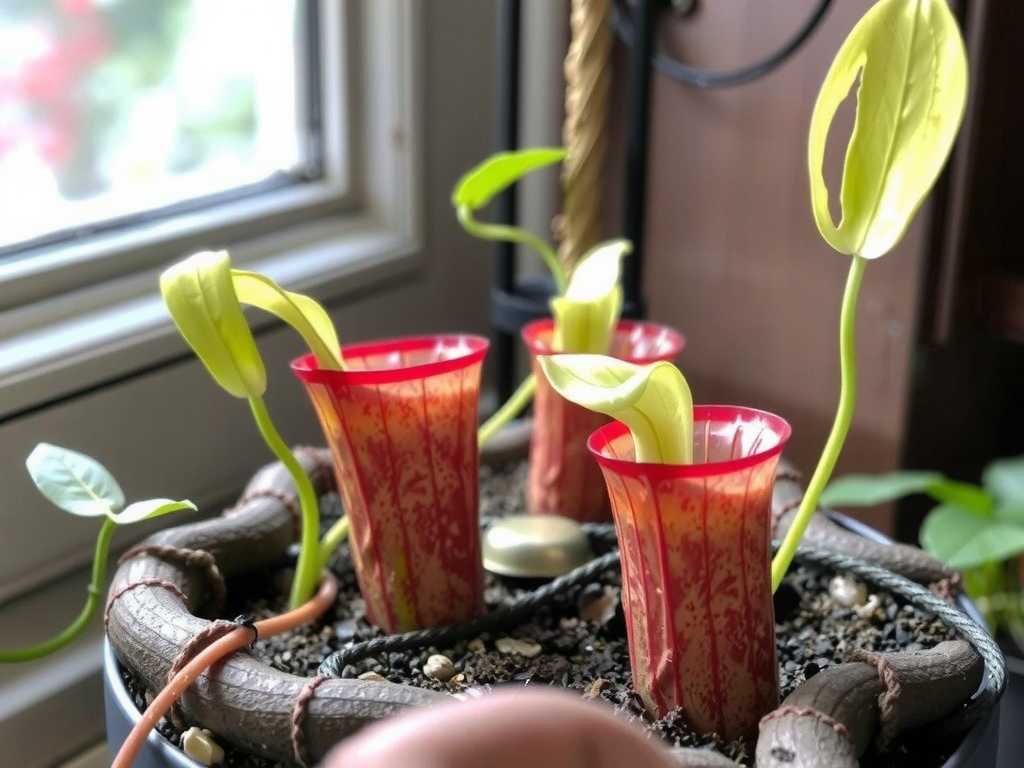
Nepenthes, hailing from the humid, bright environments of Southeast Asia, are photosensitive plants. Their pitcher production is directly tied to the amount and quality of light they receive. In summer, long days and strong light fuel robust growth and constant pitchering. The core issue in winter, particularly in northern US states, is the drastic reduction in Photosynthetically Active Radiation (PAR). Daylight hours can be halved, and the sun's angle ensures the light is weaker even on clear days.
This light deficit signals a potential "slow season" for the plant. Without intervention, growth slows, and the plant conserves energy, often aborting the resource-intensive process of creating new pitchers. Your goal isn't necessarily to replicate summer growth rates, but to provide sufficient supplemental resources to maintain metabolic activity and support continued, albeit perhaps slower, pitcher development.
Strategies for Maintaining Nepenthes Activity in Winter
Success hinges on a multi-faceted approach that addresses light, environment, and care adjustments. Here’s your actionable plan.
Supplemental Lighting: Non-Negotiable for Most Regions
For anyone north of the Sunbelt, supplemental grow lights are the most critical tool for winter Nepenthes care. They compensate for the shortened day length and weak natural light.
- Choosing the Right Lights: Full-spectrum LED grow lights are the top choice. They are energy-efficient, produce less heat, and provide a balanced light spectrum that mimics the sun. Look for lights with a high PPFD (Photosynthetic Photon Flux Density) value, which measures the usable light for plants. For Nepenthes, a PPFD of 100-250 µmol/m²/s at the plant's level is a good target range for maintaining growth.
- Setup and Duration: Position lights 6-12 inches above the plant, ensuring even coverage. Use a timer to create a consistent photoperiod. Aim for a total of 12-14 hours of light per day. This can be a combination of any available natural light plus the supplemental lighting. For example, if you get 4 hours of weak daylight, run your grow lights for an additional 8-10 hours.
Optimizing Humidity and Temperature
Winter air indoors is notoriously dry due to heating systems. While many Nepenthes adapt to lower humidity than commonly believed, a severe drop can hinder pitcher initiation, especially for highland species.
- Humidity Tactics: Grouping plants together creates a beneficial microclimate. Using a humidifier near your collection is highly effective. Alternatively, place plants on large pebble trays filled with water (ensure the pot sits above the waterline). Terrariums or mini-greenhouses are excellent solutions for smaller plants, providing a stable, humid environment under lights.
- Temperature Considerations: Most common hybrid Nepenthes thrive in typical household temperatures (65-85°F). Avoid placing plants near cold drafts, hot radiators, or heating vents. The slight drop in nighttime temperature common in winter is often beneficial and mimics natural conditions.
Refined Watering and Feeding Practices
Growth may slow, so your watering and feeding routine should reflect this.
- Watering: The mantra "moist, not soggy" still applies. However, evaporation slows in lower light and cooler temperatures. Check the medium more frequently; the top layer may dry slower. Water thoroughly only when the top inch of the substrate feels slightly dry. Always use low-mineral water—rainwater, distilled, or reverse osmosis water is best.
- Winter Feeding for Nepenthes: If pitcher production slows or stops, the plant loses its natural method of nutrient acquisition. You can provide gentle, supplemental feeding. Experts like Dr. Alastair Robinson, a noted botanist specializing in carnivorous plants, suggest that diluted, foliar-applied orchid fertilizer (¼ strength) can be beneficial during these periods. Apply sparingly to the leaves every 3-4 weeks. Alternatively, if you have active pitchers, you can drop a single, small insect (like a dried bloodworm) into an occasional pitcher.
Choosing the Right Plants and Location
Your winter success can start with smart plant choices and placement.
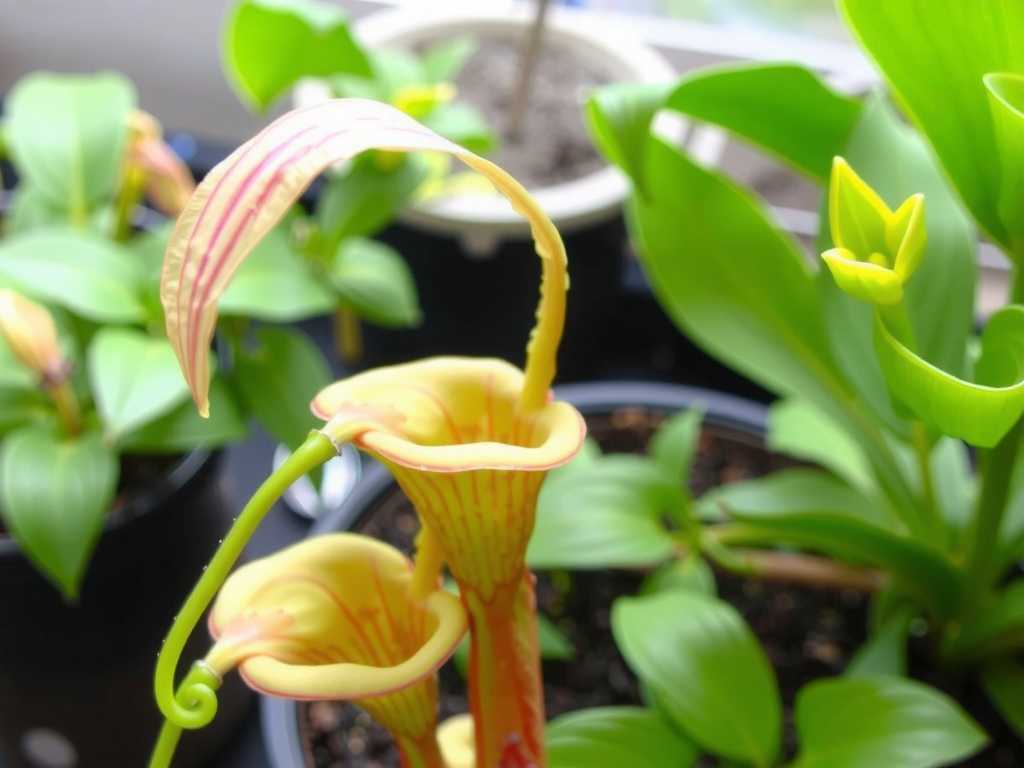
- Lowland vs. Highland: Some species and hybrids are more tolerant of less-than-ideal conditions. Many robust lowland hybrids (involving N. ampullaria, N. ventricosa, etc.) and certain highlanders (N. maxima hybrids) are known for being more adaptable to lower humidity and variable light.
- Window Placement: A south-facing window is the premium spot for maximum natural light. East or west-facing windows can work if supplemented with strong grow lights. A north-facing window alone is almost always insufficient in winter.
Frequently Asked Questions
My Nepenthes has stopped making pitchers but is still growing leaves. What's wrong? This is a classic sign of insufficient light. The plant has enough energy for basic vegetative growth (leaves) but not for the energetically expensive task of producing pitchers. Increasing light intensity and duration with a grow light is almost always the solution.
Can I use a regular LED desk lamp as a grow light? While a bright white LED lamp is better than nothing, it is not optimal. Standard LEDs lack the full light spectrum and intensity (PPFD) that plants need for photosynthesis. A dedicated full-spectrum LED grow light designed for plants will yield dramatically better results for maintaining healthy, pitchering Nepenthes.
Should I mist my Nepenthes to increase humidity? Frequent misting is a temporary fix and can promote fungal issues on leaves if they don't dry quickly. It is not a substitute for raising the ambient humidity. For long-term health, focus on creating a consistently humid environment through grouping, humidifiers, or enclosures rather than relying on misting.
The short days of the US winter need not bring your Nepenthes cultivation to a standstill. By recognizing light as the primary limiting factor and decisively implementing a regimen of supplemental lighting, you provide the fundamental energy your plant requires. Supporting this with mindful humidity management, adjusted watering, and gentle feeding creates a holistic environment where your plant can not only survive but continue its fascinating carnivorous activity. With these focused strategies, you can enjoy the unique beauty of developing pitchers throughout the entire year, turning the winter season into a period of sustained growth rather than a waiting game for spring.





