 bluename
How to Care for Nepenthes in US Raised Garden Beds This Spring
You’ve invested in a beautiful raised garden bed, envisioning a lush, vibrant display. This spring, you’re eager to try something extraordinary: growing the exotic, carnivorous Nepenthes, or tropical pitcher plant. But now, doubts creep in. Your raised bed feels worlds away from a steamy jungle understory. Will the pitchers shrivel? Will the plant survive the night? You’re not alone in wondering if these fascinating specimens can truly thrive in an American backyard setting.
The good news is, with a tailored approach, your raised bed can become a spectacular home for Nepenthes. This guide cuts through the complexity, providing a clear, step-by-step framework for springtime success. We’ll transform your raised garden from a potential challenge into the perfect controlled environment for these botanical marvels.
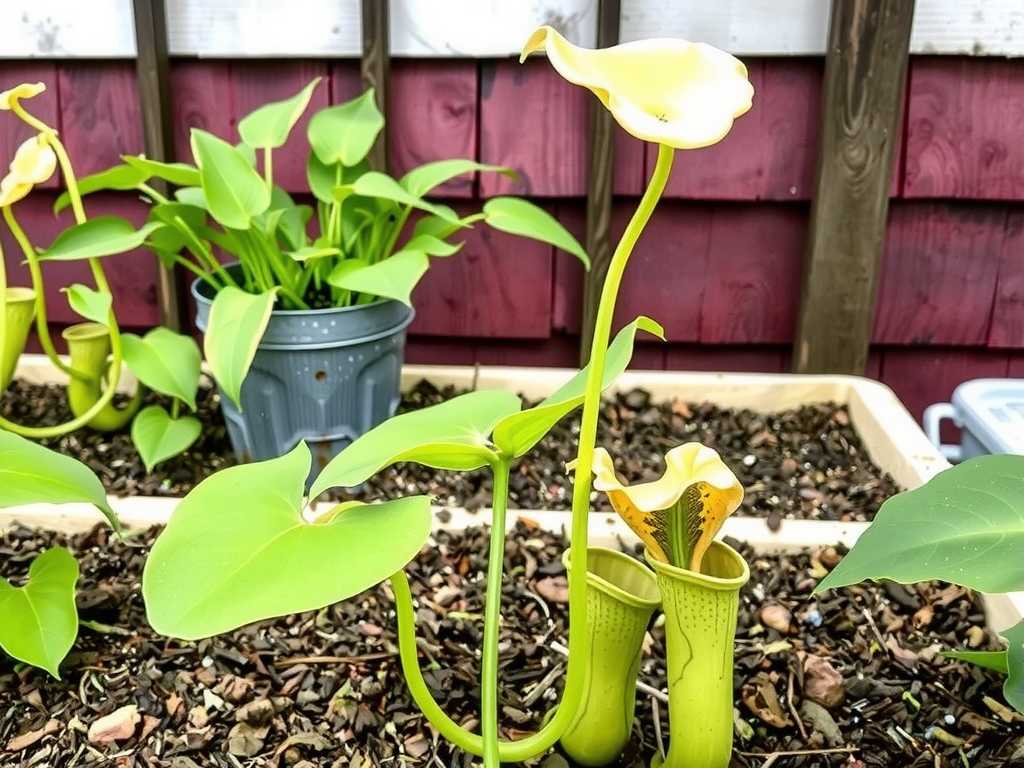
Why Raised Beds Are a Game-Changer for Nepenthes
Raised garden beds offer distinct advantages for Nepenthes cultivation, particularly in climates that aren’t perpetually tropical. The primary benefit is control. You have complete command over the soil medium, a non-negotiable factor for these plants that demand excellent drainage and zero nutrients in their potting mix. Unlike in-ground planting, a raised bed prevents contamination from native, mineral-rich soil.
Furthermore, raised beds improve drainage exponentially, preventing the waterlogged roots that spell instant doom for Nepenthes. They also warm up faster in the spring sunlight, providing the gentle root warmth these plants enjoy. For gardeners in cooler USDA zones, this early-season warmth is crucial for stimulating growth as daylight increases.
Preparing Your Raised Bed for Spring Pitcher Plants
Before introducing your Nepenthes, preparation is key. Start by assessing the location. Nepenthes require bright, indirect light. A spot with morning sun and afternoon dappled shade, or under 30-50% shade cloth, is ideal. Direct, harsh afternoon sun can scorch leaves and inhibit pitcher formation.
The foundation of success is the growing medium. Forget standard potting soil or compost. As horticulturist Dr. Elaine Thompson notes, “Nepenthes roots are adapted to gather moisture and anchor, not to uptake nutrients from soil. A dense, nutrient-rich medium will cause root rot and failure.” Instead, create a loose, acidic, and airy mix.
Fill your raised bed with a blend of long-fiber sphagnum moss, horticultural perlite, and orchid bark (fir bark) in a rough ratio of 2:1:1. This mixture mimics their natural epiphytic conditions, retaining moisture while allowing water to flow freely. Ensure your raised bed is at least 12 inches deep to accommodate root run and this special medium.
The Spring Care Routine: Water, Humidity, and Feeding
Consistent moisture is vital, but the type of water matters. Nepenthes are sensitive to minerals and chemicals. Use only rainwater, distilled water, or reverse osmosis water. Tap water, even if left to stand, often contains dissolved salts that will accumulate and damage the plant over time. Water deeply when the top inch of the moss mix feels slightly dry, allowing excess to drain away completely.
Humidity is the secret trigger for pitcher production. While many hardy hybrid Nepenthes (like N. x ventrata) adapt to lower humidity, spring growth surges with higher levels. In a raised bed, create a microclimate. Grouping plants together helps. For a significant boost, consider installing a simple misting system on a timer for the early morning hours, or place shallow trays of water and pebbles around the bed. During particularly dry, windy spring days, a temporary plastic hoop cover can work wonders.
Feeding is where carnivorous plants shine. How to feed Nepenthes in raised beds is simple: let them catch their own. Your garden bed will attract spring gnats, flies, and other small insects. If insect activity is low, you can supplement by dropping a few small, dead insects (like dried bloodworms, available at pet stores) into a few pitchers every month. Never use liquid fertilizer in the soil. A mild, orchid fertilizer diluted to 1/4 strength can be sprayed on the leaves monthly during active growth, but this is optional and riskier than natural prey.
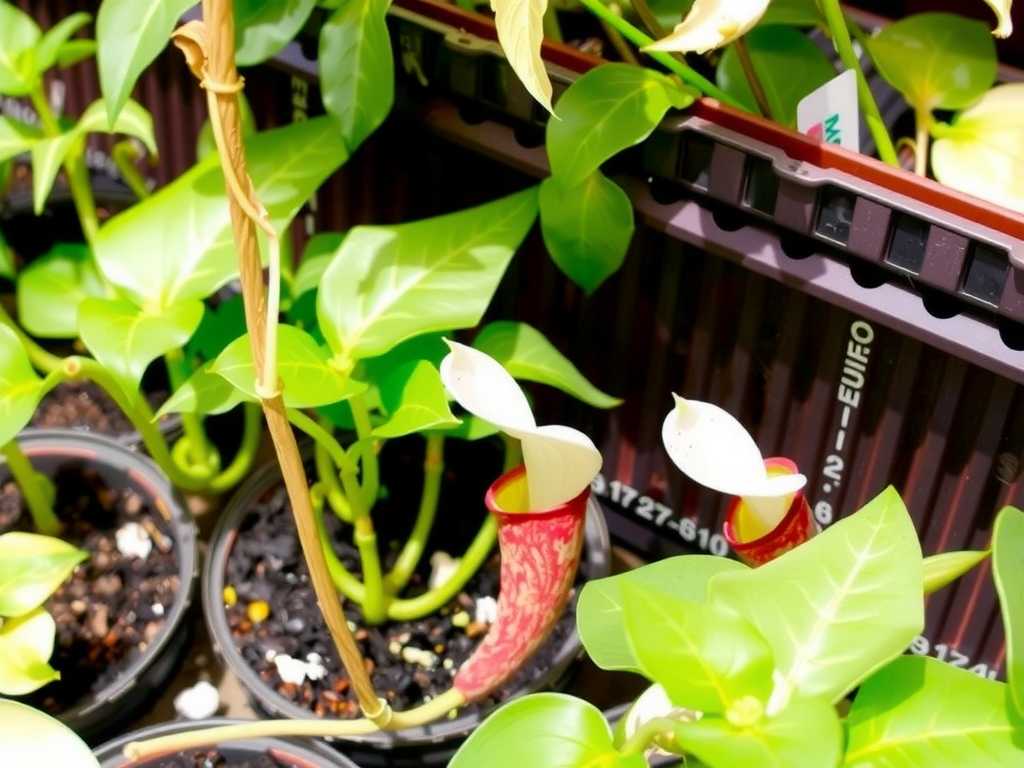
Managing Temperature and Seasonal Transition
Spring weather is notoriously variable across the US. Most intermediate and lowland Nepenthes hybrids thrive with days between 75-85°F and nights above 60°F. Monitor nighttime temperatures closely. If a late frost or a dip below 50°F is forecast, be prepared to protect the bed with frost cloth or a temporary cold frame.
This spring care for Nepenthes in garden beds is about acclimation. As temperatures steadily rise, your plant will push out new leaves. Each new leaf tip holds a potential pitcher. The emergence of these pitchers depends heavily on the consistent humidity and light conditions you’ve established. Be patient; a pitcher may take several weeks to fully form and inflate.
Common Challenges and Solutions in Raised Bed Cultivation
Even with perfect care, issues can arise. Brown, crispy pitchers or leaf edges usually signal low humidity or mineral-laden water. Re-evaluate your water source and humidity strategies. A lack of pitcher formation points to insufficient light, low humidity, or a need for more consistent feeding.
Pests like aphids or scale can occasionally appear. Combat them with a gentle spray of insecticidal soap or neem oil, applied directly to the pest, taking care to rinse the solution off the medium afterward to avoid soil contamination. The most common disease, root rot, is prevented entirely by your well-draining medium and proper watering habits.
Frequently Asked Questions
Can I plant Nepenthes with other plants in my raised bed? It’s not recommended. Most garden plants require nutrient-rich soil and fertilizers that are toxic to Nepenthes. For the best results, dedicate a bed specifically to carnivorous plants or use submerged, separate pots within the bed to maintain strict soil separation.
What are the best Nepenthes varieties for a raised bed in spring? Stick with robust intermediate hybrids. Nepenthes x ventrata, N. ‘Bloody Mary’, and N. ‘Lady Luck’ are excellent choices. They are more tolerant of the humidity and temperature fluctuations typical of a continental US spring compared to ultra-highland or lowland species.
My Nepenthes survived winter indoors but looks leggy. What should I do? This is common. As you acclimate it back to the raised bed in spring, provide ample indirect light. You can encourage bushier growth by carefully pruning back the longest vines. Use sterile scissors and cut just above a node (where a leaf joins the stem). The plant will produce new growth points from that node.
Growing Nepenthes in a raised garden bed this spring is an immensely rewarding project. By focusing on the pillars of specialized soil, pure water, elevated humidity, and bright, filtered light, you create a sanctuary where these plants don’t just survive—they flourish. Observe your plant closely, adjust to your local spring conditions, and you’ll be rewarded with the incredible sight of new, glistening pitchers forming right in your own backyard.





