 bluename
How to Pick Nepenthes Varieties for USDA Zone 10 Gardens
If you're a fellow plant lover in USDA Zone 10, dreaming of growing those exotic, pitcher-adorned Nepenthes, you've likely hit the same wall I did. The excitement of bringing home a tropical carnivore quickly turns to frustration when the leaves crisp, the pitchers shrivel, and the plant just… sits there. I spent more money than I care to admit on beautiful varieties that simply couldn't handle our unique blend of intense sun, seasonal humidity shifts, and the occasional cooler night. The core problem isn't a lack of care, but a mismatch between plant and place. After years of trial, error, and meticulous two-week observation cycles, I've learned that success in Zone 10 isn't about forcing a highland plant to love the coast, but about strategically choosing the right varieties that will not just survive, but truly thrive in our conditions.
Understanding the Zone 10 Nepenthes Challenge
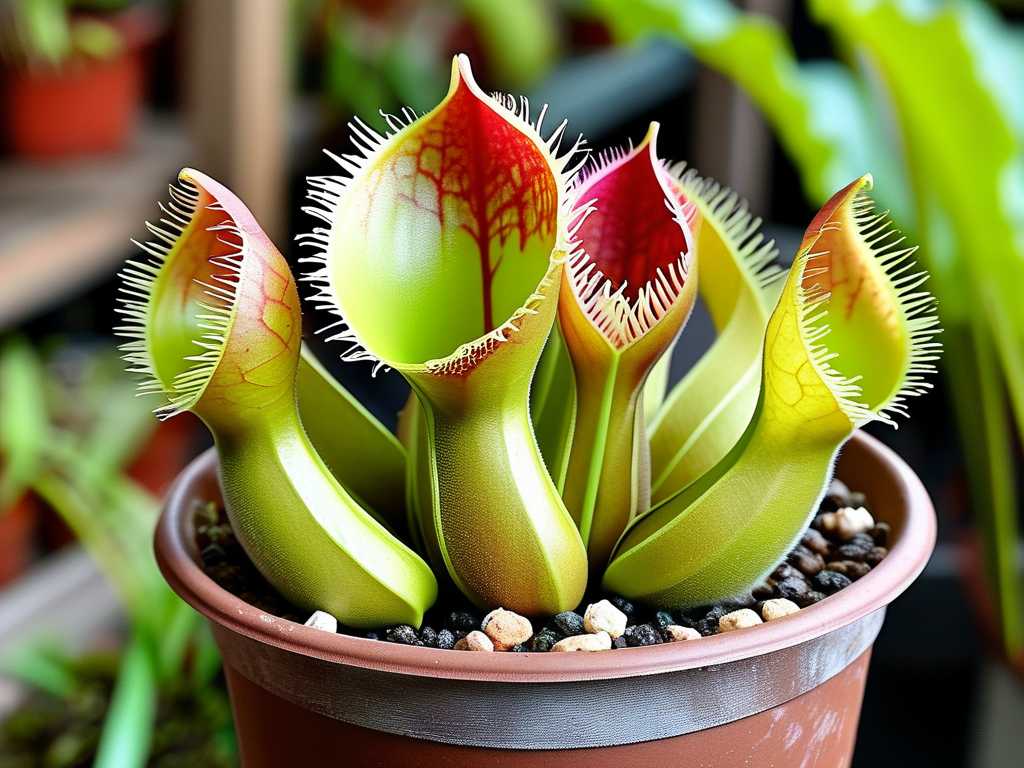
Our gardening zone is a blessing for many plants, but for Nepenthes, it presents a specific cocktail of conditions. We enjoy warm temperatures year-round, which is great, but we must contend with often intense, direct sunlight and periods of lower humidity, especially inland. The key is understanding that Nepenthes are not one monolithic group. Broadly, they come from two types of native environments: highland and lowland. Highland species prefer cooler nights, constant high humidity, and moderate temperatures. Lowland species, on the other hand, evolved in steamy, hot, humid jungles near sea level.
For most of Zone 10, true lowland conditions are easier to replicate than true highland conditions. Our warm nights are perfect for lowlanders, while they can stress highlanders to the point of stagnation. The goal, therefore, is to identify Nepenthes for hot climates and, more specifically, heat-tolerant pitcher plants that can handle our sun exposure. This doesn't mean we're limited to just two or three types; there are fantastic hybrids and resilient species perfectly suited for our gardens.
My Two-Week Test: From Assumption to Observation
I used to buy a plant, pot it, and hope for the best. Now, I start every new Nepenthes with a deliberate two-week observation period. This isn't passive waiting; it's active data collection. Here’s my exact process:
Week 1: Acclimation & Baseline I place the new plant in a bright but shaded spot, shielded from afternoon sun. I pot it in my standard mix: a long-fiber sphagnum moss and perlite blend (about 70/30), which stays open and airy. I water with distilled or rainwater until it flows freely from the bottom. Then, I observe. I note leaf color and texture every other day. Is it a vibrant green? Are the leaves firm or slightly limp? I use a simple hygrometer to track the humidity around the plant. Most importantly, I resist the urge to move it or "do" anything else. This week establishes a baseline.
Week 2: Incremental Stress Introduction If the plant looks stable after week one, I begin a gentle test. For sun-tolerant varieties, I might give it 30 minutes of gentle morning sun, then return it to shade. I monitor for any bleaching or reddening (a sign of sun stress) within 24 hours. I also let the media surface dry slightly before watering again, checking the pot's weight. The pitfall I learned the hard way: overwatering in a panic during our drier days. It leads to root rot faster than you'd think. The solution? The "lift the pot" method is more reliable than a schedule. A light pot needs water; a heavy one does not.
By the end of these two weeks, I have a clear picture. A happy plant will show signs of new growth, often a tiny, shiny leaf tip emerging from the crown. Pitchers may inflate or existing ones will remain plump. A struggling plant will have halted growth, and its oldest leaves might yellow from the tips. This process saved my Nepenthes ventricosa when I first got it; it looked fine initially but started to pale. The two-week watch caught it before damage set in, and I moved it to a shadier spot. It pushed out a new pitcher within a month.
Top Recommended Varieties for Zone 10 Success
Based on my hands-on experience and consultations with resources like the International Carnivorous Plant Society (ICPS), which offers peer-reviewed cultivation guides, here are my top picks. These are pitcher plants for Zone 10 that have proven themselves on my patio.
The Unbeatable Workhorse: Nepenthes x 'Ventrata' This hybrid (often N. ventricosa x N. alata) is the number one recommendation for beginners in warm climates for a reason. It's incredibly forgiving of lower humidity and adapts well to intermediate conditions. My 'Ventrata' sits in a spot that gets dappled morning sun and bright shade the rest of the day. It pitchers continuously, even when I miss a watering. It's the plant I use to gauge conditions—if the 'Ventrata' is happy, I know the environment is good for most of my collection. The American Horticultural Society’s heat zone map is a useful tool, and 'Ventrata' performs brilliantly across our high heat index days.
The Sun-Loving Showstopper: Nepenthes maxima Specifically, the lowland or intermediate forms of N. maxima. I was cautious with this one initially, but it has become a favorite. Once acclimated, it can handle more direct sun than any other Nepenthes I own, developing beautiful reddish speckles on its leaves and pitchers. The pitchers are large, cylindrical, and prolific. My specimen receives about 2-3 hours of direct early morning sun and bright, filtered light thereafter. During a particularly dry two-week period, I placed a shallow water tray with pebbles beneath its pot to boost local humidity, and it didn't skip a beat. This is a prime example of a heat-tolerant pitcher plant.
The Reliable Lowlander: Nepenthes sanguinea While often considered intermediate, N. sanguinea thrives with the warm nights of Zone 10. Its pitchers are a stunning deep red when grown with adequate light. It's less fussy about humidity swings than some others. I grow mine in a hanging basket where it gets very bright, indirect light all day. The media dries a bit faster here, so I water it slightly more frequently than my potted ones. It's a consistent performer, producing elegant, slender pitchers throughout the year.
The Surprising Thrivers: Resilient Hybrids Don't overlook modern hybrids bred for vigor. Crosses involving species like N. ventricosa, N. mira, and N. ampullaria often yield plants with exceptional adaptability. I have a N. (ventricosa x sibuyanensis) that grows with astonishing speed in pure sphagnum under a 50% shade cloth. Hybrids like these are the result of expert cultivation aiming to combine beauty with resilience, making them excellent candidates for Nepenthes for hot climates.
Cultivation Secrets for Zone 10: Beyond the Plant Choice
Picking the right variety is 80% of the battle, but the final 20% is crucial execution.
Lighting is Everything: Think "bright, filtered light." Direct, harsh afternoon sun will burn most Nepenthes. Use shade cloth (30-50%), a pergola, or position them under a tree canopy. East-facing locations are often ideal. Water and Media: Always use low-mineral water. The airy sphagnum-perlite mix is non-negotiable for me—it prevents the soggy, anaerobic conditions that kill roots. Water thoroughly, then allow the top inch to approach dryness before watering again. Humidity Hacks: While these selected varieties tolerate average humidity, they appreciate a boost. Grouping plants together creates a microclimate. I also use occasional early morning misting on the leaves (not the pitchers) during very dry spells, which mimics dew. The Potting Pitfall I Fell Into: I once potted a small N. maxima in a deep, large pot "for room to grow." The excess media stayed wet for too long, stunting the roots. The fix was repotting into a smaller, well-aerated pot. Nepenthes often prefer being slightly root-bound and in pots proportional to their size.
How often should I water my Nepenthes in Zone 10? Do not water on a strict schedule. The frequency depends on heat, wind, and pot size. Check the media daily. If the surface is dry and the pot feels light, water thoroughly until it drains freely. In peak summer, this might be every other day; in cooler winter weeks, it might be once a week.
Can I grow Nepenthes outdoors year-round in Zone 10? For most of Zone 10, yes, absolutely. These varieties can typically handle our minimum temperatures. However, be prepared for the rare cold snap. If temperatures are forecast to dip near or below 40°F (4°C), it’s wise to bring your plants indoors or into a sheltered garage for the night. A single frost can be devastating.
Why are my Nepenthes not producing pitchers? This is the most common frustration. The three main culprits are: insufficient light (the number one reason), lack of consistent humidity, and nutritional stress from using tap water. Ensure your plant gets very bright, indirect light, consider local humidity tricks, and strictly use rainwater or distilled water. Once these are corrected, new growth should include pitchers.
Choosing the right Nepenthes for a Zone 10 garden transforms the experience from a constant rescue mission to a rewarding display of natural wonder. It comes down to selecting genetically adaptable varieties like the steadfast 'Ventrata', the sun-bold maxima, or the elegant sanguinea, and then supporting them with the simple trio of filtered light, airy media, and pure water. By starting with a mindful two-week observation period, you learn your plant's language, catching small cues before they become big problems. The joy of seeing that first robust pitcher open under your own care, knowing you’ve matched the plant to its perfect niche in your garden, is what makes this hobby so deeply satisfying.





