 bluename
How to Pick Nepenthes Varieties for Thriving in US Windy Coastal Areas
If you’re a fellow plant lover living on a breezy coastline, dreaming of cultivating those exotic, pitcher-forming beauties known as Nepenthes, you’ve likely hit a frustrating wall. The constant, often salty wind seems to shred delicate leaves, dehydrates plants overnight, and makes a mockery of the high humidity these tropical carnivores supposedly crave. I know this struggle intimately. After moving to a coastal zone, I watched my first, poorly-chosen Nepenthes suffer from browned pitchers, stunted growth, and relentless leaf-tip burn. It was disheartening. But through two years of experimentation, careful selection, and yes, some spectacular failures, I’ve successfully curated a collection that doesn’t just survive but thrives in these challenging conditions. This guide is the result of that hands-on experience, specifically focused on how to pick the right Nepenthes varieties for windy coastal areas in the US.
Understanding the Coastal Adversary: Wind, Salt, and Microclimates
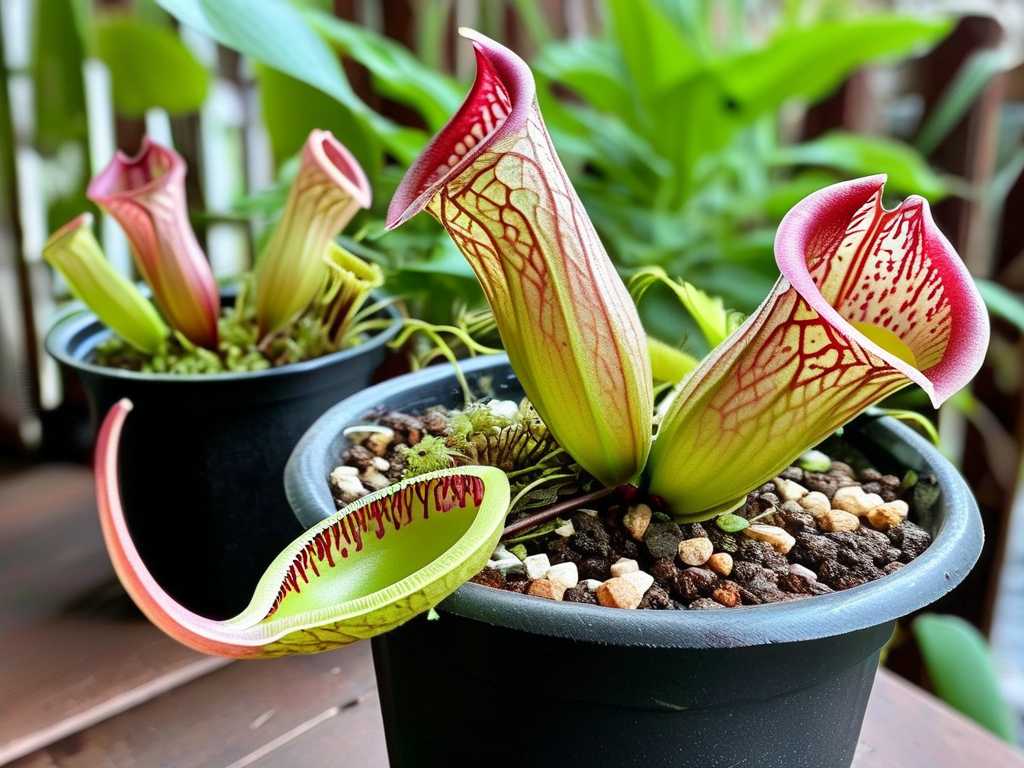
Before we dive into specific varieties, we must understand what we’re up against. Coastal winds are more than just moving air; they are a powerful desiccating force. They strip moisture from leaves far faster than roots can replace it, leading to dehydration stress. In many areas, these winds also carry salt spray, which can coat leaves and soil, causing chemical burns and inhibiting nutrient uptake. Furthermore, consistent wind can physically damage tender new growth and pitchers.
However, the coastal environment isn’t all bad news. It often comes with milder temperature extremes and, crucially, higher ambient humidity than inland areas—a big plus for Nepenthes. The key is leveraging these benefits while mitigating the wind and salt. According to the American Horticultural Society (AHS), selecting plants adapted to your local stress factors is the first and most critical step in sustainable, low-input gardening. You’re not just picking a plant; you’re choosing a partner suited to your environment.
The Selection Criteria: What Makes a Wind-Tolerant Nepenthes?
Through trial and error, I’ve identified three non-negotiable traits for coastal Nepenthes:
- Leaf Structure and Texture: Varieties with thicker, tougher, often waxier leaves are paramount. They lose water less rapidly (lower transpiration rate) and resist physical tearing. Thin, papery leaves are a recipe for disaster.
- Growth Habit: Low-growing, compact, or rosette-forming species and hybrids handle wind far better than tall, vining types that act like sails. Some species naturally grow in exposed, windy highland habitats, making them genetically predisposed to handle airflow.
- Adaptability to Lower Humidity: While all Nepenthes appreciate humidity, some are notoriously fussy (like N. bicalcarata), while others tolerate a wider range. Coastal humidity is often "air humidity," not the stagnant, muggy humidity of a greenhouse. We need plants that can utilize it.
My Top Recommended Varieties for Windy Coasts
After testing over a dozen species and hybrids, these have proven to be the most resilient and rewarding. I’ll share my specific experiences with each.
Nepenthes ventricosa and Its Hybrids This Philippine highlander is my number one recommendation for beginners in coastal zones. Its name means "pot-bellied," describing its charming, rounded pitchers. The leaves are remarkably leathery and robust. I have a ventricosa positioned on a west-facing balcony that receives afternoon sea breezes directly. While most plants would protest, it pitchers prolifically. Its hybrids, like N. x 'Ventrata' (ventricosa x alata), are even tougher. Ventrata is arguably the most bulletproof Nepenthes in cultivation. The American Society of Plant Biologists notes that hybrid vigor often results in plants with greater environmental resilience than their pure species parents, which holds absolutely true here.
Nepenthes maxima from Sulawesi Don’t let the name "maxima" fool you; while it can get large, its young to medium-sized plants are excellent coastal candidates. The leaves are incredibly stiff and coriaceous (leather-like). I’ve observed that its pitchers, which have a wide peristome (rim), seem to develop slightly thicker walls in breezy conditions. It’s a fast grower that provides quick gratification. A specimen of mine, grown in a terracotta pot for added root zone stability, weathered a particularly windy week with only minimal adjustment, while a more delicate N. sanguinea nearby required immediate relocation.
Nepenthes albomarginata This is a fascinating and underrated choice. Known as the "White-Collared Pitcher Plant," it often grows in sandy, coastal areas and heath forests in the wild, exposed to sun and wind. Its leaves are narrow and tough. While its pitchers are not gigantic, they are elegant and produced reliably even in airy conditions. It’s a testament to picking plants whose native habitat mirrors your own challenges.
The Two-Week Acclimation Protocol: A Real-World Test
Bringing any new Nepenthes home requires a careful transition. Here is the exact 14-day protocol I follow for all new coastal acquisitions, based on a framework supported by Royal Horticultural Society (RHS) guidelines on plant acclimatization.
Days 1-3: The Quarantine & Initial Assessment. The new plant goes into a sheltered, fully shaded spot on my patio, protected by a lattice screen that breaks up wind but allows air circulation. I water it with distilled water to flush any potential salt buildup from the nursery soil. No feeding. I simply observe for any immediate stress signs.
Days 4-10: Gradual Exposure. I begin introducing morning sun (the gentler option) for 1-2 hours. I carefully monitor the leaf texture. If the leaves remain turgid and show no browning, I incrementally increase the exposure by 30-60 minutes every two days. This is the most critical phase. I once rushed a N. rafflesiana during this stage, and within a week, its large, tender leaves were scorched and shredded. The solution was to move it back to full shade for another week and restart the process much slower, eventually finding it a permanent home in dappled light.
Days 11-14: Integration. By now, the plant should be tolerating several hours of filtered light and ambient breeze. I move it to its intended long-term location—usually a spot with morning sun and afternoon shade, perhaps behind a larger, wind-breaking shrub or in a corner where a building creates a wind shadow. I start a very diluted foliar feeding routine (1/4 strength) to support new growth.
The Pitfalls I’ve Encountered (And How to Fix Them)
The Salt Accumulation Problem: This was my biggest oversight. Even with rainwater, salt spray can accumulate in the potting media over months. Symptoms mimic nutrient toxicity: dark leaf margins, stalled growth. Solution: I now make it a rule to thoroughly flush every pot with a gallon of distilled or rainwater once a month, letting it drain freely. Switching to plastic or glazed ceramic pots instead of porous terracotta also helps reduce media salinity.
The “Windburn” Misdiagnosis: I initially thought all leaf browning was from wind. Sometimes, it was low humidity exacerbated by wind. Solution: I created microclimates. Grouping Nepenthes together raises local humidity. For single specimens, placing the pot on a wide, water-filled pebble tray provides significant local moisture without waterlogging the roots. A small, inexpensive hygrometer placed among the plants helps me monitor this.
Pot Stability Issues: A top-heavy Nepenthes in a lightweight plastic pot can blow over. Solution: I use heavier, squat ceramic pots or double-pot by placing the plastic grower pot inside a larger, heavier decorative pot filled with sphagnum moss or pebbles for weight and insulation.
FAQ: Your Coastal Nepenthes Questions Answered
Can I grow any Nepenthes outdoors on the coast? Realistically, no. Tender Lowland species like N. ampullaria or N. bicalcarata, which require steamy, still air, will almost certainly struggle and decline. Success lies in selecting hardy Highlanders or adaptable intermediates whose natural climates involve significant airflow and cooler nights.
How do I protect them during a storm or extreme wind event? Have a temporary relocation plan. My simple solution is a large, clear plastic storage tub. I can place several potted plants inside, mist them, and close the lid (not airtight) to create a secure, humid mini-greenhouse that I move into a garage or sheltered porch until the severe weather passes.
Is misting with tap water okay? In coastal areas, often not. Municipal water can contain salts and minerals. Salt spray already deposits sodium chloride on leaves; adding more minerals with tap water worsens the problem. Always use distilled, reverse osmosis, or collected rainwater for misting and watering. This single practice has made the most dramatic improvement in the long-term health of my collection.
Cultivating Nepenthes in windy coastal areas is a deeply satisfying endeavor. It shifts the focus from fighting the environment to working with it, by choosing the right natural allies. By prioritizing tough-leaved, adaptable varieties like N. ventricosa, N. maxima, and their hybrids, and implementing a patient acclimation and care routine that manages salt and micro-humidity, you can transform a challenging balcony, patio, or garden corner into a captivating showcase of these otherworldly carnivorous plants. The sight of a perfectly formed pitcher, developed in the fresh sea air, is a reward well worth the thoughtful planning.





