 bluename
How to Choose Nepenthes Varieties for US Mountain Climates: A Grower’s Guide from Trial and Error
If you're a plant enthusiast living in the US mountain regions—think the Rockies, the Appalachians, or the Sierra Nevada—and you've ever felt that pang of desire looking at a carnivorous Nepenthes, only to be met with disappointment when your tropical highlander withers away, you're not alone. I've been there. The dream of growing these magnificent pitcher plants often clashes with the reality of our unique climates: cool nights, intense UV, low humidity, and dramatic temperature swings. The central challenge isn't just keeping a Nepenthes alive; it's choosing the right Nepenthes that will not just survive but truly thrive in these conditions. After years of experimentation and a particularly insightful two-week observation period that changed my approach, I’ve learned that success starts with strategic selection.
Understanding Your Mountain Climate: It’s More Than Just Cold
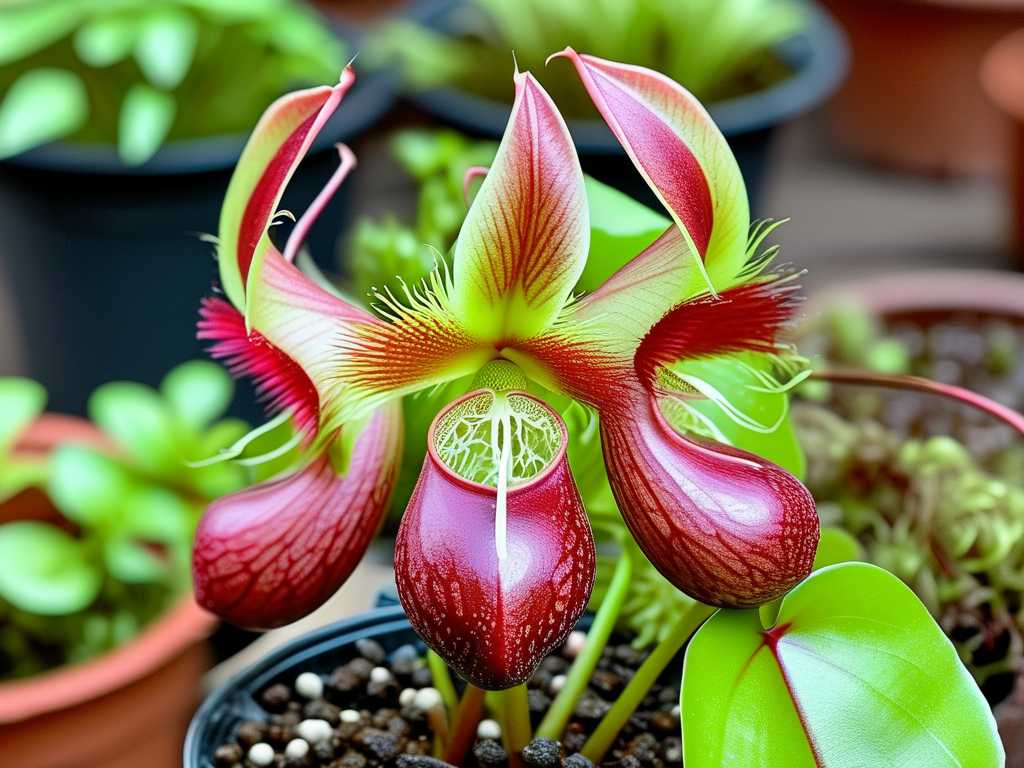
Before we dive into specific varieties, we must diagnose the environment. "Mountain climate" is too vague.
- Temperature Ranges are Key: My greenhouse in a Colorado foothill zone 5b experiences summer days at 75-85°F but nights that can plunge to 45-50°F. Winter brings a constant chill. True lowland species needing steady 80°F+ warmth will fail here.
- Humidity is a Constant Battle: Ambient humidity often sits below 30%. While some adaptation is possible, starting with a humidity-sensitive variety is a recipe for chronic pitcher abortion.
- Light Intensity is Your Ally and Enemy: High elevation means potent, direct sunlight. While Nepenthes need light, tender leaves can scorch. This intense light, however, can be harnessed to promote stunning coloration in the right plants.
The goal isn't to perfectly replicate a cloud forest in your home—it's to match a plant's natural adaptability to the conditions you can reasonably provide.
The Winning Varieties: Hardy Nepenthes for Mountain Growers
Through trial, error, and consultation with resources from the International Carnivorous Plant Society (ICPS) and expert growers, I’ve narrowed down reliable performers. Focus on these two categories:
1. Highlander and Ultra-Highlander Species These are your best bet. Evolved for cool nights and bright days, they are pre-adapted.
- Nepenthes ventricosa: My absolute top recommendation for beginners in cool climates. This Philippine native is incredibly forgiving. It tolerates a wider temperature range (from 50s at night to mid-80s during the day) and handles lower humidity better than most. Its plump, red-speckled pitchers are a joy. It was my first success story.
- Nepenthes sanguinea: A robust highlander with spectacular orange to red pitchers. It grows steadily and handles cool conditions well. I’ve found it to be less fussy about nighttime temperature drops than some other highlanders.
- Nepenthes rajah (For the Committed): The legendary "King of Nepenthes" is actually an ultra-highlander from Mount Kinabalu. It requires cool nights and excellent drainage but can be grown successfully in climate-controlled setups that mimic mountain conditions. It's a project, but a rewarding one.
2. Resilient Hybrids: The Power of Selective Breeding Hybrids often exhibit hybrid vigor (heterosis) and inherit hardiness from their parents. They are the workhorses of the Nepenthes world.
- Nepenthes x 'Ventrata' (ventricosa x alata): Arguably the most common and adaptable hybrid. It grows fast, pitchers prolifically even in intermediate conditions, and shrugs off the occasional dry spell. It’s my benchmark for "hardiness."
- Nepenthes x 'Bloody Mary': A striking hybrid known for its deep red pitchers and vigorous growth. It has proven remarkably tolerant of the strong light in my setup, developing richer color in response.
- Nepenthes x 'Rebecca Soper' (ventricosa x sibuyanensis): A fantastic compact grower with dark pitchers. It consistently shows excellent resistance to lower humidity and temperature fluctuations, making it a staple in my collection.
My Two-Week Acclimation Experiment: A Lesson in Patience
This was the turning point. I purchased a beautiful Nepenthes maxima (a more intermediate species) online. It arrived lush and perfect. Eager, I placed it immediately in my bright, cool greenhouse. Within days, I saw trouble: the newest leaf growth softened, and a developing pitcher shriveled. I was replicating my old pattern.
I decided to document everything over two weeks. I moved the plant to a shaded, more humid propagation tray indoors. I tracked leaf turgidity daily and photographed the pitcher's progress. For the first week, nothing changed—it just held on. I maintained high humidity and stable, warm temps. In the second week, a new, tiny leaf node showed activity. The existing pitcher stopped browning. By day 14, it was clear: the plant had stopped declining and was initiating new growth. It wasn't thriving yet, but it was stabilized. The lesson? Acclimation is non-negotiable. Even suitable plants need a gradual transition. I now quarantine and slowly adjust all new plants over 10-14 days, increasing light and decreasing humidity incrementally. This simple step has saved countless plants.
Pitfalls I’ve Fallen Into (And How to Climb Out)
- The "Lowland Beauty" Trap: I once killed a gorgeous Nepenthes ampullaria by assuming my sunny window was "warm enough." It wasn't. Solution: Research the species' native elevation before buying. Stick to highlanders and proven hybrids.
- Over-Misting for Humidity: I used to mist my plants multiple times daily, leading to fungal spots on leaves. Solution: Use a humidifier for ambient humidity or a pebble tray. Group plants together to create a microclimate. Misting is a temporary fix, not a strategy.
- Using the Wrong Soil: Standard potting mix is fatal. My first Nepenthes died from soggy, decomposed roots. Solution: Always use a loose, airy, nutrient-free mix. My standard is a 1:1 ratio of long-fiber sphagnum moss and horticultural perlite. It provides moisture, aeration, and acidity.
- Feeding Them Like Houseplants: Fertilizer in the soil burns their roots. Solution: Feed through the pitchers. I drop a single, small insect (like a freeze-dried bloodworm) or dilute orchid fertilizer (1/4 strength) into a few pitchers every month during active growth.
Cultivation Tips Tailored for Altitude and Dry Air
- Watering: I use only distilled, reverse osmosis, or rainwater. I water deeply when the top inch of the moss feels slightly dry, never letting the pot sit in water. In dry mountain air, this might be every 2-3 days.
- Light: Bright, indirect light is ideal. I use a south-east facing window supplemented with LED grow lights for 12-14 hours a day. AHS (American Horticultural Society) guidelines on light levels for plants are helpful; Nepenthes generally fall under "bright filtered light." Direct mountain sun often requires diffusion via a sheer curtain.
- Winter Strategy: This is critical. I reduce watering frequency but increase light exposure. Cooler winter temps (down to 50°F at night for my highlanders) are not just tolerated but beneficial, mimicking their natural cycle and often triggering pitcher production.
Frequently Asked Questions by Fellow Growers
Can I grow Nepenthes outdoors in a mountain climate? This is highly season and location-dependent. I summer my hardiest varieties (ventricosa, 'Ventrata') in a sheltered, partially shaded patio spot when nighttime temps stay reliably above 50°F. They enjoy the fresh air and natural light. However, they must be brought indoors long before the first fall frost. Constant monitoring is essential.
My plant is growing but not producing pitchers. What's wrong? The most common culprits in dry climates are insufficient humidity and inadequate light. Pitchers are energy-intensive; the plant won't make them if conditions aren't right. Try raising humidity locally (pebble tray, humidifier) and ensuring it gets several hours of very bright, indirect light. Avoid repotting or moving it frequently.
How do I know if my home's humidity is too low? Look for these signs: new leaf buds emerge but stop growing or are very small, existing pitchers dry out at the mouth before they fully form, and leaf edges may become slightly crispy. A digital hygrometer is a small investment that removes the guesswork. Aim to keep it above 50% for most highlanders, though some like ventricosa can manage in the 40s.
Choosing the right Nepenthes for a US mountain climate is a rewarding puzzle. It requires letting go of the tropical fantasy and embracing the rugged beauty of highland and hybrid varieties that are built for resilience. By starting with a tough species like Nepenthes ventricosa, mastering the acclimation process, and adapting your care to address low humidity and intense light, you can cultivate a stunning collection. Remember, every wilted pitcher taught me something. Your journey will be unique, but the result—a healthy, pitcher-producing plant thriving against the odds—is deeply satisfying.





