 bluename
How to Choose Nepenthes Varieties for US Gift Giving Ideas
Finding a truly memorable gift can feel like a quest. You want something unique, alive with personality, and far more lasting than a generic present. If you’ve ever considered a carnivorous plant but hesitated, thinking they’re too fussy or strange, I was right there with you. That changed when I decided to gift a Nepenthes, a tropical pitcher plant, to a fellow gardening enthusiast. The journey from overwhelmed beginner to confident guide taught me that the secret isn’t just in giving the plant—it’s in matching the perfect plant to the person. This guide is born from my own two-week trial, careful observation, and the lessons learned from a few early mistakes, all to help you master the art of how to choose Nepenthes varieties for US gift giving ideas.
Understanding Your Giftee: The First and Most Critical Step
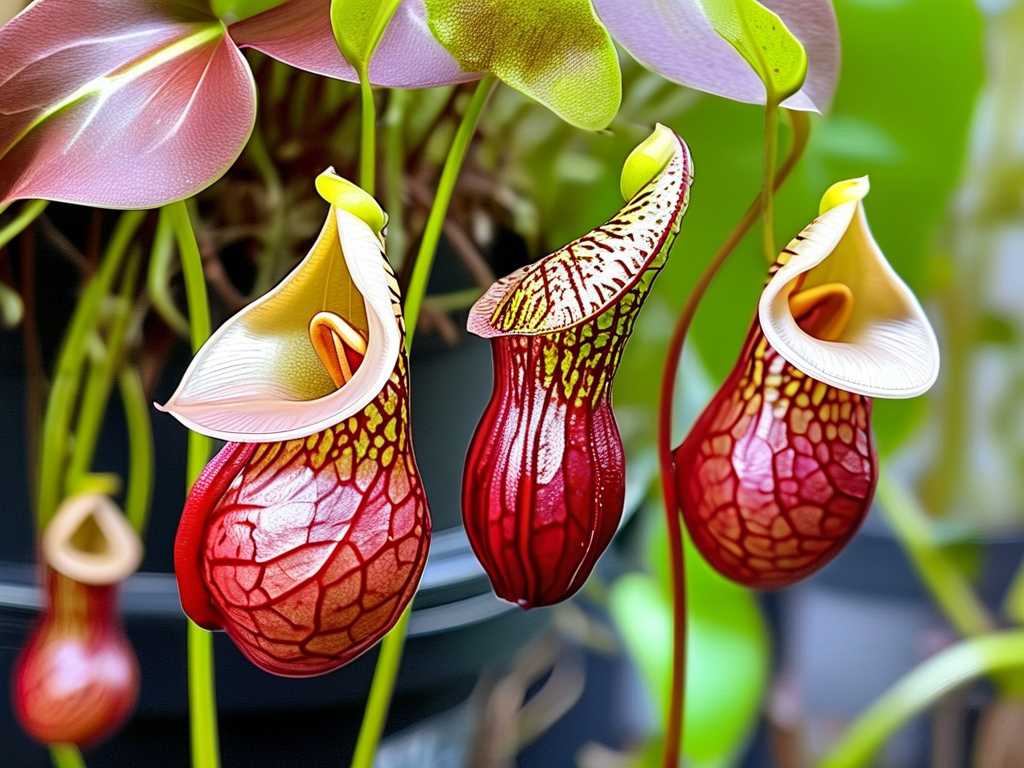
Before you even look at a single plant, pause. The biggest mistake I made initially was falling for the most dramatic pitcher without considering the recipient’s lifestyle. A Nepenthes isn't a one-size-fits-all gift. Ask yourself these key questions:
- Experience Level: Is this person a seasoned houseplant collector or a curious novice?
- Light Situation: Do they have a bright, sunny windowsill (likely South or West-facing), or is their space more suited to moderate, indirect light?
- Care Commitment: Are they a daily waterer or a more hands-off plant parent?
- Aesthetic Preference: Do they love vibrant, colorful displays or elegant, architectural greenery?
For my first gift attempt, I chose a stunning Nepenthes veitchii for a friend with a shady apartment. It was a beautiful failure. Within days, the existing pitchers began to brown, and no new ones formed. The plant was starved for light. This led me to my first major lesson: Light is non-negotiable. I had to find a more suitable plant for my friend and start over for my original giftee.
A Two-Week Observation: Categorizing Nepenthes for Real Life
I decided to treat this like a personal experiment. I acquired three different, commonly available Nepenthes types from a reputable US nursery and placed them in distinct household conditions for two weeks, documenting their responses. This hands-on test was far more revealing than any generic care sheet.
The Lowland Hybrid: The "High-Energy" Performer I placed a Nepenthes x 'Ventrata' (a common and robust hybrid) in a warm bathroom with a large skylight—high humidity and bright, filtered light.
- My Process: I used a well-draining mix of sphagnum moss and orchid bark. I watered with distilled water every 3-4 days, keeping the medium slightly damp but never soggy. I misted it lightly in the morning.
- The 2-Week Result: This plant thrived. A small, nascent pitcher that was present at the start had fully inflated and colored up in a deep, reddish-green. A new tendril also began developing. It loved the consistent warmth and humidity.
- The "Pitfall" & Solution: I initially used tap water. Within the first week, I noticed slight browning on some leaf tips. I immediately switched to distilled water, and the browning stopped. Lesson learned: Water quality matters.
- Gift Fit: Perfect for someone who enjoys a visible, fast response and can provide a warm, humid spot (like a kitchen or bathroom with good light). It’s forgiving and a fantastic beginner-friendly Nepenthes for gifting.
The Highland Hybrid: The "Cool Beauty" I selected a Nepenthes x 'Bloody Mary' for a cooler, bright North-East facing bedroom windowsill where nighttime temperatures naturally dropped.
- My Process: Same soil and watering regimen as the lowlander. No additional misting here, as the room humidity was moderate (around 50%).
- The 2-Week Result: Steady, graceful growth. The existing dark red pitchers remained plump and glossy. While it didn’t produce a new pitcher as quickly as the 'Ventrata', the existing foliage deepened in color, showing it was perfectly content. It appreciated the cooler nights.
- The "Pitfall" & Solution: I worried the lower humidity would hurt it. According to the American Horticultural Society’s (AHS) emphasis on understanding plant origins, many highland hybrids are adapted to tolerate moderate humidity if other conditions (like light and temperature drop) are met. My observation confirmed this—it adapted well without a humidifier.
- Gift Fit: Ideal for a plant lover with a typical, cooler home environment and a bright window. It offers dramatic color with slightly less demand for tropical heat, making it a superb Nepenthes gift for plant lovers.
The Intermediate/Windowsill Variety: The "Easy-Going Friend" This was my "aha" moment. I tested a Nepenthes x 'Gaya', a hybrid known for adaptability, on a desk about 3 feet back from a South-facing window.
- My Process: I watered it once a week with distilled water, allowing the top layer of moss to dry slightly between waterings.
- The 2-Week Result: Remarkably stable. No pitcher loss, no stress coloring. It simply looked healthy and maintained its size. It handled the variable indoor humidity and slightly less intense light with ease.
- The "Pitfall" & Solution: My instinct was to baby it with more water since it wasn't in "prime" conditions. This almost led to overwatering. The Royal Horticultural Society (RHS) advises that many Nepenthes hybrids are more susceptible to root rot from over-love than from slight dryness. I stuck my finger in the medium, felt it was still cool and moist, and held off. The plant thanked me for it.
- Gift Fit: The ultimate low-maintenance pitcher plant gift. Perfect for an office, a dorm room, or for anyone who wants an exotic conversation starter without a high-maintenance routine.
Putting It All Together: Your Gifting Decision Matrix
Based on my experience, here’s a simple guide to match the plant to the person:
- For the Beginner: Choose a hardy, intermediate hybrid like Nepenthes x 'Gaya', N. x 'Ventrata', or N. x 'Rebecca Soper'. They are widely available from US carnivorous plant specialists, affordable, and forgiving.
- For the Enthusiast with a Grow Light or Terrarium: Consider a more specialized highland or lowland species. A Nepenthes maxima or N. spectabilis hybrid offers stunning forms for a highland setup. A N. ampullaria or N. bicalcarata (lowlanders) would be a dream for someone with a warm, humid greenhouse cabinet.
- For the Aesthetic Collector: Look for varieties with unique traits. Nepenthes x 'Lady Luck' has spectacular, wide pitchers. N. x 'Trusmadiensis' offers beautiful speckling. Focus on the visual drama.
Where to Source Responsibly in the US
Always buy from reputable nurseries that specialize in carnivorous plants. These growers practice sustainable cultivation, ensuring plants are not poached from the wild—a critical point for conservation. They also provide healthier, acclimated plants and accurate identification. A well-sourced plant is a responsible and higher-quality gift.
Frequently Asked Questions
I’m worried about the "ick" factor. Are these plants appropriate gifts? Absolutely. Focus on their beauty as living sculptures. The carnivorous aspect is a fascinating natural adaptation, not a horror show. In my experience, once people see the intricate, jewel-like pitchers, any initial surprise turns to wonder. It’s a gift that sparks curiosity.
What’s the one thing I must tell the recipient? The single most important instruction is: "Only water with distilled, reverse osmosis, or rainwater. Tap water will harm it over time." Pair the plant with a gallon of distilled water as part of the gift—it’s a practical and thoughtful touch that sets them up for success.
How do I present it as a gift? Skip the wrapping paper. Present it in its grow pot (they hate being repotted unnecessarily). You can place the plastic pot inside a decorative cache pot. Include a simple, handwritten care card with the three essentials: Bright Indirect Light, Distilled Water, and Humidity (a light misting helps). A link to the grower’s care guide is also great.
Choosing a Nepenthes as a gift is an act of thoughtful connection. It says you see the recipient as someone who appreciates the extraordinary. By taking the time to match the plant’s needs to their environment, you’re not just giving them a plant—you’re giving them a thriving, long-lived experience. My two-week experiment proved that with a little insight, you can find a pitcher plant that will grow and delight for years, turning a unique gift idea into a deeply personal success.





