 bluename
How to Pick Productive Nepenthes Varieties for US Growers
If you’re like me, a US-based plant enthusiast drawn to the otherworldly beauty of pitcher plants, you’ve probably faced the same frustrating dilemma. You bring home a stunning Nepenthes, full of hope, only to watch it stubbornly refuse to produce those iconic traps, or worse, slowly decline. After years of trial and error, and more than a few casualties on my windowsill, I’ve learned that the single most critical decision isn’t your watering schedule or fertilizer—it’s the initial selection of productive Nepenthes varieties. Choosing the right genetic starting point for your specific environment is 90% of the battle for consistent, vigorous pitchering.
This guide is born from my hands-on experience cultivating dozens of Nepenthes across different climates in the US. I’ll walk you through a practical, step-by-step framework for selecting plants that won’t just survive but thrive and put on a spectacular show. I’ll share my real-world testing, a crucial two-week acclimation observation period, and the common pitfalls I’ve navigated to save you time, money, and heartache.
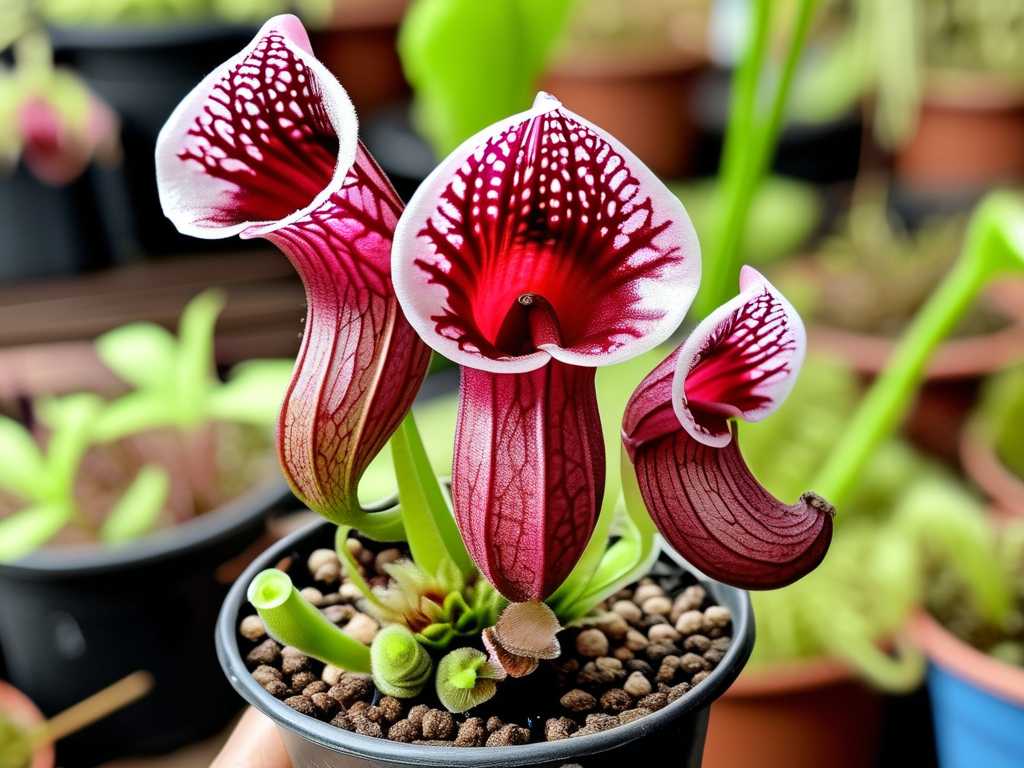
Understanding the Core Challenge: Climate Adaptation
The fundamental hurdle for US growers seeking productive pitcher plants is replicating a tropical environment. Most homes have relative humidity levels between 30-50%, while many highland Nepenthes crave 70%+. Our winters bring short, dim days, and central heating creates arid air. Attempting to grow a finicky highland species from Mount Kinabalu on a dry Arizona windowsill is a recipe for disappointment. Therefore, productivity must be evaluated through the lens of adaptability.
My selection process now revolves around three pillars: Genetic Hardiness, Environmental Alignment, and Growth Habit. Let’s break down each.
Pillar 1: Prioritize Genetically Hardy and Adaptable Hybrids
For consistent results, especially for beginners or growers without controlled terrariums, hybrid Nepenthes are your best friends. Professional breeders have already done the hard work, crossing species to combine desirable traits like resilience, tolerance for lower humidity, and prolific pitchering.
- The Workhorse: Nepenthes ‘Ventrata’ (N. ventricosa x N. alata). This is, without a doubt, my top recommendation for any new grower aiming for a productive Nepenthes for beginners. It’s the plant that taught me success. I purchased a small, four-inch potted ‘Ventrata’ from a local nursery and placed it in an east-facing bathroom window (for the morning sun and occasional shower humidity).
- My 2-Week Acclimation Test & Observation: The first week was critical. I monitored for stress signs: leaf reddening (normal for new light), pitcher drying (low humidity), or leaf curl (shock). I watered only with distilled water when the top inch of moss felt dry. By day 10, I noticed the key indicator of adaptability: a new, tiny tendril emerging from the growing tip. No existing pitchers dried up. By the end of the second week, that tendril was already beginning to swell. This active growth and pitcher initiation during acclimation is the hallmark of a productive, adaptable variety.
- The Pitfall & Solution: My mistake was initially placing it in a south-facing window. Within days, the existing pitchers showed sunburn—bleached, crispy patches. The solution was simple but vital: I moved it to bright, indirect light (the east window). ‘Ventrata’ is tolerant, but intense, direct summer sun can still scorch it. It quickly recovered and resumed pitcher production.
Other superb hybrid choices include Nepenthes ‘Miranda’ (spectacular, large pitchers), Nepenthes ‘Rebecca Soper’ (dark, beautiful, and very forgiving), and Nepenthes ‘Gaya’ (a robust, fast-growing hybrid). The American Horticultural Society (AHS) notes in their plant trials that complex hybrids often exhibit "hybrid vigor," showing greater resilience to variable home conditions than their pure species parents.
Pillar 2: Match the Plant to Your Local Environment
Your USDA Hardiness Zone and indoor setup dictate your ideal candidates. I categorize productive varieties into two main groups for US conditions.
For Windowsill & Ambient Humidity Growers (Most Homes): Stick primarily to lowland and intermediate hybrids, or certain rugged highland species. My most successful ambient-humidity (around 45-55%) plants are:
- Nepenthes sanguinea: A highland species surprisingly tolerant of lower humidity. Its orange-red pitchers are stunning.
- Nepenthes maxima: Particularly the ‘Lake Poso’ or hybrid forms. They are vigorous and adaptable.
- Nepenthes stenophylla: Another highland species known for its durability.
I conducted a side-by-side test with N. sanguinea and a N. ‘Ventrata’ on the same windowsill. While ‘Ventrata’ produced pitchers more quickly, the N. sanguinea developed thicker, more colorful pitchers over time, demonstrating that with patience, even some pure species can be highly productive in low humidity.
For Terrarium, Greenhouse, or High-Humidity Zone Growers: If you can maintain high humidity (>70%) and cooler nights, your options expand dramatically to include the breathtaking highland species.
- Nepenthes ventricosa: The "potted meat plant" is a classic, prolific pitcher producer with charming, bulbous lower pitchers.
- Nepenthes aristolochioides: A superstar for its unique, porthole-like pitchers. It requires high humidity and excellent airflow but is a prolific pitcherer in the right setup.
- Nepenthes jamban: Prized for its toilet-bowl shaped upper pitchers. It’s a rewarding challenge for the advanced grower.
The Royal Horticultural Society (RHS) emphasizes the importance of a "significant day-night temperature drop" for many highland Nepenthes to initiate pitchers consistently. This is a key factor often missed by indoor growers.
Pillar 3: Evaluate Growth Habit and Space
Consider the plant’s ultimate size and form. A prolific but massive vine like N. ‘Miranda’ may overwhelm a small apartment. For limited space, seek out compact or slow-growing varieties that are still productive.
- Compact Choices: Nepenthes ampullaria (spreading, ground-hugging habit), certain forms of Nepenthes bellii, and many young hybrids can be maintained in a bushy form with occasional pruning.
- Climbing/Vining Choices: Be prepared to provide a trellis or hanging basket. The reward is the often more spectacular upper pitchers.
My personal space-saving success story is with Nepenthes ampullaria. I grew it in a wide, shallow pot under a grow light. It didn’t vine but instead produced a dense clump of stems, constantly covered in numerous small, colorful pitchers—a different kind of productivity perfect for a shelf.
Where to Source Your Plants Responsibly
Always buy from reputable specialty nurseries within the US. These nurseries often grow their plants in conditions similar to yours, meaning they are already acclimated. Avoid imports without proper phytosanitary certificates. Look for plants with healthy green growth, firm roots (if bare-root), and, ideally, at least one developing pitcher—a sign of an active, productive growth cycle.
Frequently Asked Questions
I have very dry air in my home. Is there any hope for me to grow a pitcher plant? Absolutely. Start with the most forgiving hybrids like Nepenthes ‘Ventrata’ or ‘Rebecca Soper’. You can create a "humidity microclimate" by placing the pot on a large pebble tray filled with water or by grouping it with other plants. A small, affordable humidifier placed nearby can work wonders. My first ‘Ventrata’ thrived for years with just the pebble tray method.
Why is my Nepenthes growing leaves but no new pitchers? This is the most common issue and usually points to insufficient light. Nepenthes need very bright, indirect light to produce pitchers. A north window is rarely enough. Try an east or south window (with sheer curtains for protection), or invest in a simple LED grow light. Low humidity can also halt pitcher development, especially for the forming tendril.
Should I feed my Nepenthes if it isn’t making pitchers? No. Never force-feed a plant without functional pitchers. It can rot the leaves and roots. Focus on correcting the environmental conditions (light, humidity, temperature). Once a new pitcher is fully formed and open, you can add a single, small insect (like a dried bloodworm) or a few drops of diluted orchid fertilizer into the pitcher to provide nutrients. The plant will only "eat" when it’s ready.
Choosing a productive Nepenthes isn't about finding the rarest species; it's about making a smart match. By focusing on robust hybrids, honestly assessing your growing environment, and selecting for a manageable growth habit, you set the stage for success. Remember, observing your plant closely during the first critical weeks tells you more than any label can. Start with an adaptable champion like ‘Ventrata’, learn its rhythms, and enjoy the incredible process of watching it craft its own intricate traps. The satisfaction of seeing that first home-grown pitcher open is worth every bit of the careful planning.





