 bluename
How to Choose Nepenthes Varieties for North American Seasons: A Grower's Guide
I remember the excitement—and subsequent heartbreak—of my first Nepenthes. A stunning, highland specimen I ordered on impulse, captivated by its dramatic, blood-red pitchers. It arrived in the peak of a humid Midwest summer, and for a few weeks, it was the jewel of my collection. Then, as autumn’s chill set in and the indoor air grew dry from central heating, its growth stalled. New leaves emerged small and pitcherless, a silent protest against its new environment. That’s when I realized a painful truth: choosing the right Nepenthes variety isn't just about aesthetics; it's about matching a plant's innate needs to the relentless march of North American seasons. If you've ever watched a prized pitcher plant slowly decline, you understand the core dilemma: our climates are not the consistent, humid tropics these plants hail from.
This guide is born from two decades of trial, error, and meticulous observation in my own home and greenhouse. I’ve learned that success lies in strategic selection. By understanding a few key concepts—primarily temperature tolerance—you can curate a collection that not only survives but thrives year-round. Let’s move beyond the generic care sheet and delve into how to make intelligent choices that align with the seasonal rhythms of the US and Canada.
Understanding the Core Concept: Temperature Groups are Everything
Forget "easy" or "hard" labels. The single most critical factor in selecting a Nepenthes is its native altitude, which dictates its temperature preferences. The Royal Horticultural Society (RHS) and expert cultivators universally categorize them into three main groups, a framework that is your essential starting point.
Lowland Varieties: The Heat and Humidity Lovers These plants originate from steamy jungle floors below 3,000 feet. They crave consistent, warm temperatures (75-95°F days, 65-75°F nights) and very high humidity, often above 70%. For most North American growers outside of perpetually warm, humid zones like Southern Florida, these are challenging without dedicated equipment. They struggle immensely with the dry, cool conditions of a standard home in winter.
Highland Varieties: The Cool-Night Specialists Hailing from mountainous regions above 3,000 feet, these are adapted to warm days but require a significant temperature drop at night, often 15-20 degrees (75-85°F days, 55-65°F nights). This diurnal swing is non-negotiable for long-term health and pitcher production. They can handle lower humidity than lowlanders (50%+ is often sufficient).
Intermediate (and Some Ultra-Highland) Varieties: The Flexible Middle Ground This is the sweet spot for many indoor and windowsill growers. Intermediate plants tolerate a wider range, typically from warm lowland to cool highland conditions. Many popular hybrids fall here. Ultra-highlanders prefer even cooler conditions but are more niche.
Your Seasonal Strategy: A Practical Selection Framework
Your local climate dictates your strategy. I’ll break down the seasonal challenges and the varieties best suited to overcome them.
For Growers in Regions with Cold Winters (Northeast, Midwest, Canada, Northern States)
Your greatest adversary is the indoor winter: short days, dry air from heating, and often stagnant air. Your goal is to select plants that won’t go into shock when your home’s conditions shift.
My Top Recommended Varieties for Cold-Winter Climates:
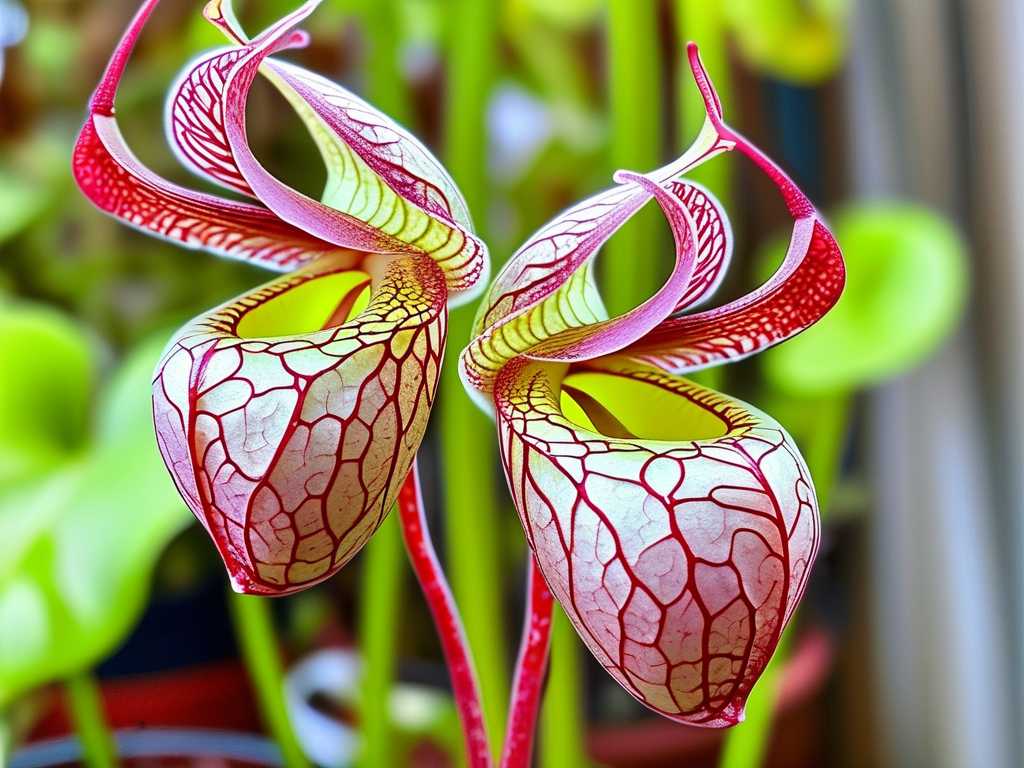
- Nepenthes ventricosa: My absolute top recommendation for beginners in any climate with cool winters. This highland species is incredibly forgiving. It pitchers reliably in intermediate conditions, tolerates lower humidity (I’ve seen it pitcher in 40%), and handles cooler windowsills in winter. Its plump, often red-speckled pitchers are a constant reward.
- Nepenthes x 'Miranda' (a robust hybrid): A workhorse intermediate hybrid. It grows large and fast, producing impressive, red-green pitchers. It adapts well to typical household humidity and is tolerant of temperature fluctuations. It’s less fussy about the perfect day/night swing than pure highlanders.
- Nepenthes maxima (especially highland forms): A highly variable species, but the highland forms are spectacularly adaptable. They grow vigorously and produce beautiful, often striped pitchers. They appreciate good light and can handle the cooler, drier winter period better than most.
A Real-World Test: My 2-Week Winter Observation Log
Last January, I placed a Nepenthes ventricosa, a N. x 'Miranda', and a more tender lowland hybrid (N. x 'Ventrata', for contrast) on the same east-facing windowsill in my Illinois home. The room averaged 68°F during the day, dropping to 62°F at night, with humidity a meager 35-40%.
- Week 1: All plants showed no new growth. The 'Ventrata' developed slight browning on the tips of two older leaves. The ventricosa and 'Miranda' looked completely stable.
- Week 2: The ventricosa showed a new, small growth point emerging. The 'Miranda' remained static but healthy. The 'Ventrata' continued its slow decline, with one pitcher beginning to dry out prematurely.
- The Takeaway: The cold-hardy ventricosa began adapting and preparing to grow despite sub-optimal humidity. The intermediate 'Miranda' held its ground. The lowland-leaning 'Ventrata' was clearly stressed. This simple test underscored that variety selection is the first and most important line of defense against seasonal stress.
For Growers in Regions with Hot, Humid Summers (Southeast, Gulf Coast, Southern States)
Your challenge is the opposite: intense summer heat and humidity that can be too much for some highland plants, potentially causing heat stress or fungal issues. Your focus should be on heat tolerance.
Excellent Choices for Hot-Summer Climates:
- Nepenthes x 'Ventrata' (N. ventricosa x alata): Perhaps the most common and resilient hybrid worldwide for good reason. It thrives in the warm, humid summers of the South and can also tolerate the drier indoor conditions of winter if brought inside. It’s a prolific pitcher producer.
- Nepenthes sanguinea: A gorgeous highland/intermediate species with pitchers that range from green to deep, blood red. It handles warm temperatures well as long as it gets cooler nights, which even a hot summer region usually provides. It’s robust and a fast grower.
- Many Nepenthes truncata hybrids: The species N. truncata is a lowlander, but its hybrids (like with N. ventricosa) often inherit immense strength and heat tolerance while gaining some flexibility. They produce massive, awe-inspiring pitchers.
The Hybrid Advantage: Engineered for Resilience
When in doubt, look to modern hybrids. Breeders like those at the Atlanta Botanical Garden or other specialized nurseries often cross species to create plants with hybrid vigor, wider temperature tolerance, and better disease resistance. A hybrid labeled "intermediate" is frequently your safest, most rewarding bet for the variable North American home.
Pitfalls I've Encountered and How to Solve Them
Even with the right plant, seasons can throw curveballs. Here are problems I’ve personally faced and fixed.
The "Winter Dormancy" Myth and Stalled Growth: Nepenthes don’t truly go dormant. In winter, with lower light and cooler temps, they simply slow down. The Mistake: I used to increase watering, thinking they were thirsty, which led to root rot. The Solution: I learned to reduce watering frequency significantly, allowing the media to become just lightly damp between waterings. I also stopped fertilizing entirely from late fall to early spring.
Low Humidity and Pitcher Drying: This is the most common issue. The Mistake: Running a humidifier 24/7 in one room was costly and only created a localized "cloud." The Solution: I created a simple humidity tray by filling a large plastic drip tray with pebbles and water and placing my pots on top (ensuring the pot bases are not sitting in water). As the water evaporates, it raises humidity immediately around the plants. Grouping plants together also creates a beneficial microclimate.
The Summer Heatwave Scorch: Even heat-tolerant plants can suffer during a sudden, extreme heatwave. The Mistake: Blasting AC directly on plants causes shock. The Solution: I provide shade during the hottest part of the day (using a sheer curtain) and increase air circulation dramatically with a small, oscillating fan set on low. This prevents stagnant, super-heated air from cooking the leaves.
What is the single best Nepenthes for a complete beginner in a temperate climate? Without hesitation, Nepenthes ventricosa or the hybrid Nepenthes x 'Ventrata'. Both are exceptionally forgiving of imperfect humidity, adapt to a range of temperatures, and pitcher reliably. They provide the positive feedback that keeps a new grower motivated.
Can I keep my Nepenthes outside during summer? Absolutely, and I highly recommend it for most intermediate and highland types. Acclimate them gradually to direct sun over a week or two to avoid leaf burn. A shaded patio or a spot with morning sun is ideal. The natural temperature drop at night, increased light, and fresh air will supercharge their growth. Just remember to bring them in well before the first fall frost.
My plant is growing leaves but not pitchers. What am I doing wrong? Pitcher production is a sign of overall happiness. The three most common culprits are: 1) Insufficient Light: These are not low-light plants. Provide several hours of bright, indirect light. An east or south-facing window (with diffusion) is best. 2) Low Humidity: While some varieties are tolerant, consistently low humidity (below 40%) will often halt pitcher formation. Try the humidity tray method. 3) Lack of a Temperature Drop: Especially for highlanders, if nights are as warm as days, they may refuse to pitcher. Ensure some nighttime cooling.
Choosing the right Nepenthes for your local seasons transforms the hobby from a constant rescue mission into a journey of predictable, vibrant growth. It starts with respecting their temperature group origins—prioritizing hardy highlands and flexible intermediates for most of us—and then providing the seasonal adjustments they need. My collection is now a testament to strategic selection: the ventricosa that pitchers steadily on my cool windowsill, the 'Miranda' that dominates a warm bathroom corner, and the sanguinea that basks in my summer garden. By letting the natural rhythm of North America guide your choices, you’ll find these magnificent plants are not fragile curiosities, but resilient and rewarding companions through every season.





