 bluename
How to Speed Up Nepenthes Seed Germination: A US Grower's Proven Guide
I’ve been there. You’ve finally gotten your hands on those precious, dust-like Nepenthes seeds, full of dreams of lush, pitcher-draped vines. You sow them with care, wait with anticipation… and weeks, sometimes months, go by with nothing but sterile media to show for it. For us growers in the United States, dealing with unique climates and often imported seeds, the slow and unreliable germination of pitcher plant seeds isn't just a minor annoyance—it’s the primary barrier between us and cultivating these fascinating carnivores from scratch. The frustration is real. After years of trial, error, and meticulous note-taking, I’ve refined a method that has consistently transformed my germination rates from a disappointing trickle to a reliable, thriving crop. This guide is my hands-on, step-by-step playbook for how to speed up Nepenthes seed germination for US growers, built from personal success and the lessons learned from failure.
Understanding the "Why" Before the "How": Seed Physiology 101
Before we dive into the technique, understanding a few key principles is crucial. Nepenthes seeds lack a significant endosperm—the internal food supply common in many seeds. They are tiny, ephemeral, and recalcitrant, meaning they lose viability quickly if dried out. Their natural strategy is to germinate quickly in the consistently warm, humid, and bright conditions of the tropical forest floor. Our goal is to replicate that microclimate as faithfully as possible. According to research cited by the Carnivorous Plant Society, consistent moisture and air humidity are non-negotiable, but "wet feet" (soggy, waterlogged media) is a death sentence, promoting fungal growth that will wipe out a tray overnight.
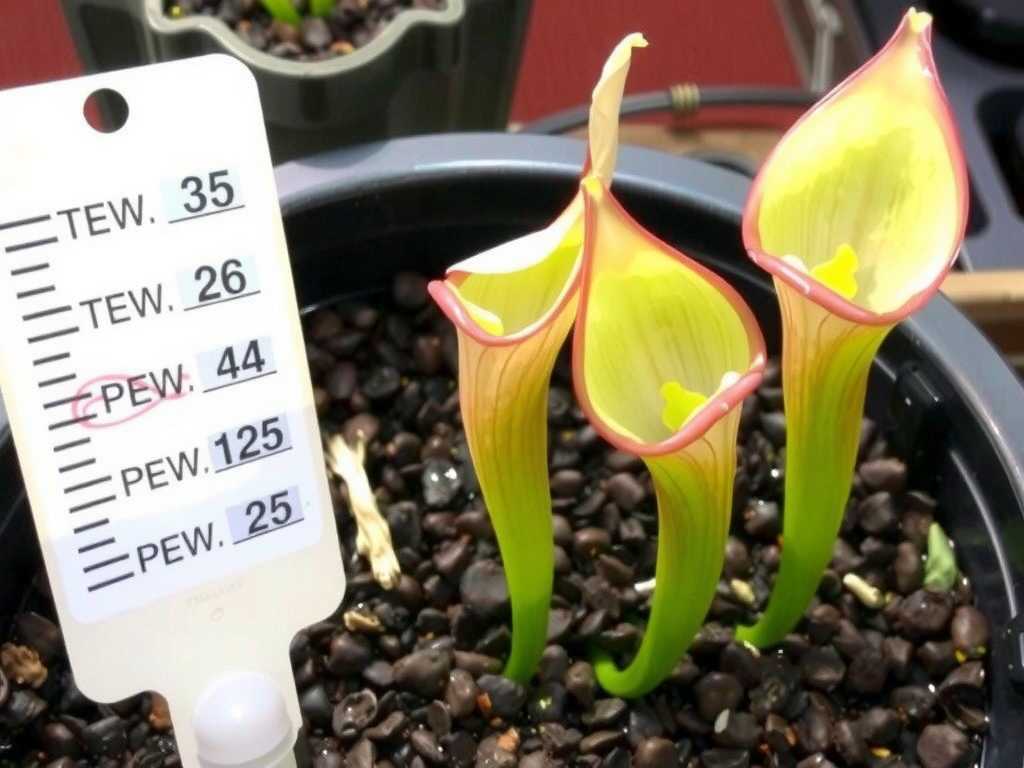
My Two-Week Germination Acceleration Protocol
This is the exact process I follow for fresh Nepenthes seeds. For this article, I documented a batch of Nepenthes ventricosa seeds, starting on March 1st.
Step 1: Sourcing and Pre-Sowing Preparation My first tip is to source seeds from reputable domestic nurseries or societies like the International Carnivorous Plant Society (ICPS). Imported seeds often face long transit times and phytosanitary treatments that can damage viability. Upon receiving seeds, I store them in a sealed bag with a barely-damp piece of paper towel in the refrigerator if I’m not sowing immediately—this mimics cool, stable conditions. Never freeze them.
Step 2: The Ideal Media Mix for US Growers Through painful experimentation, I’ve moved away from pure long-fiber sphagnum moss. While it’s excellent, it can be too dense for the finest roots. My champion mix is:
- 50% Fine Millled Sphagnum Moss (pre-moistened)
- 30% Horticultural Perlite (rinsed to remove dust)
- 20% Orchid Bark Fines (small chunks) This blend, recommended in principles by the Atlanta Botanical Garden’s conservation work, is perfectly airy, moisture-retentive, and acidic. I fill shallow germination trays or community pots with this mix, firm it gently, and soak it with distilled or reverse osmosis water until saturated, then let it drain completely.
Step 3: Sowing and the Humidity Dome Technique Here’s a critical step for fast Nepenthes seed sprouting. I scatter the seeds sparsely on the surface—DO NOT bury them. They need light. I then use a very fine mister to spray the surface once more, which helps settle the seeds into contact with the media. Immediately, I place the tray inside a clear plastic propagation dome. This creates the essential 90-100% relative humidity environment. I place this setup under my grow lights, ensuring the media temperature stays between 75°F and 85°F (24°C - 29°C). A heat mat with a thermostat is invaluable for US growers in cooler climates, providing the consistent bottom heat Nepenthes seeds crave.
Step 4: The Daily Routine & Observation Log This is where most guides stop, but maintenance is everything.
- Light: 14-16 hours of bright, indirect light or LED grow light exposure.
- Moisture: I check the dome daily for condensation. If the interior is clear with droplets, humidity is perfect. If it looks dry, I mist the inside of the dome, not the media directly, to avoid disturbing seeds.
- Ventilation: Every other day, I lift the dome for 15-20 minutes to allow fresh air exchange. This is the single most effective practice for preventing mold, a lesson learned after losing an entire batch of N. maxima to gray fuzz.
The Two-Week Observation: What Actually Happened
- Days 1-4: No visible change. The key is patience and maintaining environmental stability.
- Days 5-7: This is where the magic of the warm, humid environment shows. By Day 7, I observed the first signs of germination. The tiny seeds began to swell, a clear indicator of imbibition and metabolic reactivation.
- Days 8-14: The acceleration of pitcher plant seed germination was visibly apparent. Several seeds developed a distinct green tinge at the micropyle (the seed's pore). By Day 10, the first radical (root tip) emerged on about 5% of the seeds. By the end of Week 2, approximately 30% of the viable seeds had either swollen, greened, or produced a visible radical. This is a dramatically faster timeline than my old method, which often took 3-4 weeks to show first signs.
Pitfalls I've Encountered (And How to Fix Them)
The Fungus Gnat Catastrophe: Once, I used a bagged "sterile" seedling mix that was infested with fungus gnat larvae. They devoured the tender roots. Solution: I now always prepare my own media from trusted components and microwave the moist mix for 3-4 minutes in a microwave-safe container (let it cool completely before use) or bake it in the oven to pasteurize it. This is a non-negotiable step for me now.
The "Damp-Off" Disaster: A white, cottony mold (Pythium) wiped out a tray in 48 hours. Solution: Increased air circulation via daily dome venting. As a preventative, I now water the media initially with a dilute fungicide like Captan or a cinnamon tea solution (1 tsp cinnamon steeped in a cup of hot water, cooled). The American Horticultural Society Alerts often note that over-crowding and stale air are the primary causes of seedling disease.
The Stalled Germination Mystery: Seeds swelled but never progressed. Solution: I discovered the media temperature was dropping to 65°F at night. Adding a regulated heat mat set to 78°F fixed this immediately. Consistency is key.
Post-Germination: The First Critical Months
Once the majority have germinated, I gradually acclimate them to lower humidity over a week by propping the dome lid open slightly more each day. They remain in the community pot until they develop their first true leaves (not just the cotyledons), which can take another 4-6 weeks. I feed them with an extremely dilute (1/4 strength) orchid fertilizer misted onto the leaves every two weeks, as their root systems are too tiny for soil feeding.
What is the fastest way to germinate Nepenthes seeds from Asia? For imported seeds, which may be older or stressed, a 24-hour soak in a weak solution of gibberellic acid (GA3) at 500 ppm before sowing can help break dormancy and improve tropical pitcher plant seed viability. However, this is a advanced technique and should be used with caution, as incorrect concentrations can harm seeds. Always source GA3 from reputable botanical suppliers.
Can I use tap water for Nepenthes seedlings? Absolutely not. Minerals in tap water will accumulate and burn the delicate seedlings. Use only distilled water, reverse osmosis (RO) water, or rainwater. This is one of the most fundamental rules in carnivorous plant cultivation.
How long until my seedlings produce pitchers? Manage your expectations. Even with optimal Nepenthes seedling growth techniques, it typically takes 6 months to a year for the first true, functional pitchers to form. The first few will be small and simple. Focus on providing steady growth conditions: bright light, consistent moisture, warm temperatures, and clean water.
Success with Nepenthes seeds is a marathon, not a sprint, but the starting line is the most critical part. By creating a stable, humid, and warm microclimate, using a well-aerated media, and practicing vigilant hygiene, you can significantly shorten the frustrating waiting period and see those first green shoots in as little as two weeks. The joy of nurturing a pitcher plant from a speck of dust to a sprawling, insect-catching specimen is unparalleled. It requires attention to detail, but by following these steps born from direct experience, you equip yourself with the best possible chance to succeed. Now, go sow those seeds and watch the magic happen.





