 bluename
How to Adjust Humidity for Nepenthes in American Apartments: A Plant Lover's Practical Guide
I love my Nepenthes, but for the longest time, I struggled to keep them happy in my dry apartment. Their pitchers would shrivel before they could even form, and the leaf tips were constantly brown and crispy. I felt like I was failing these fascinating carnivorous plants. If you're in the same boat, living in a typical American apartment with forced-air heating or dry climates, you know the pain. Adjusting humidity for Nepenthes doesn't require a greenhouse, but it does require a smart, multi-pronged approach. After two weeks of intense experimentation and observation, I finally cracked the code. Here’s my hands-on journey, complete with mistakes, fixes, and the simple system that now keeps my tropical pitchers thriving.
Understanding the Humidity Needs of Nepenthes
First, let's talk numbers. Most highland and lowland Nepenthes varieties we keep as houseplants need a relative humidity of 60% or higher for consistent pitcher production. In my living room, especially in winter, the humidity hovered around a dismal 35%. This is the core challenge for apartment growers.
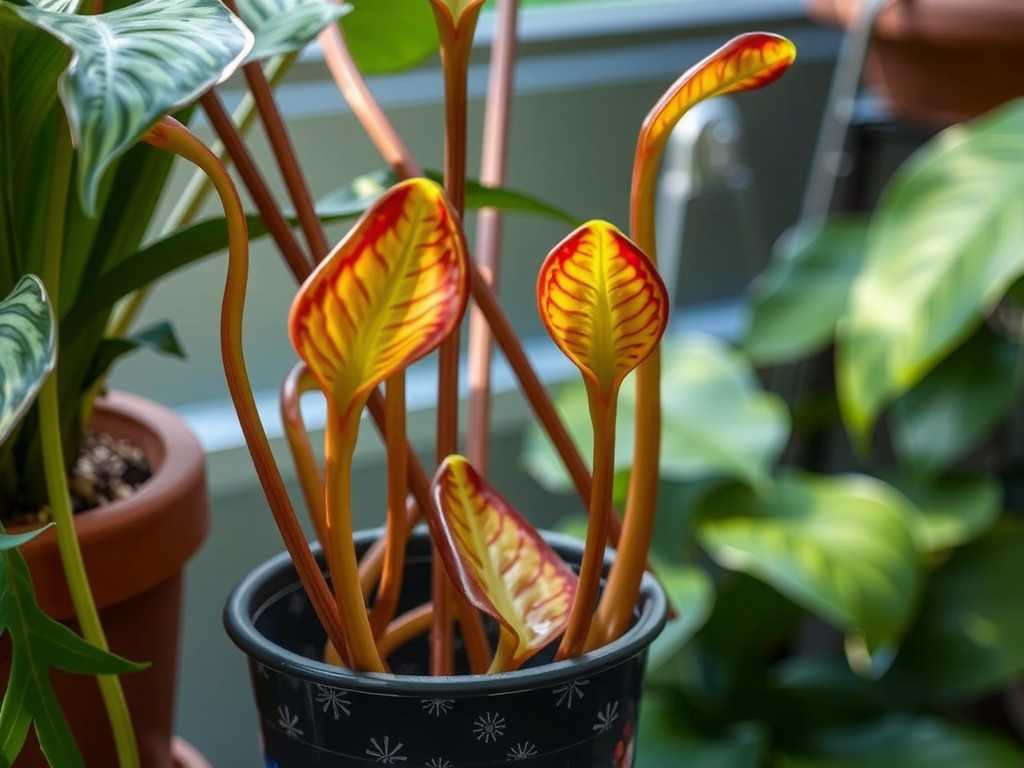
The American Horticultural Society (AHS) notes that while some Nepenthes hybrids are more adaptable, sustained humidity below 50% stresses the plant, halting pitcher development and making it susceptible to pests. My goal wasn't to recreate a rainforest in my entire home, but to create a localized, humid microclimate.
My Two-Week Humidity Adjustment Experiment
I decided to test three common methods simultaneously, tracking progress daily. My test subject was a Nepenthes ventrata, a common hybrid known for being somewhat forgiving.
Week 1: The Trial (and Error) Phase
-
Method 1: The Pebble Tray (The Underperformer) I set up a large tray filled with pebbles and water, placing my pot on top. The idea is that evaporating water increases humidity around the plant. After 3 days, my hygrometer showed only a 5% increase directly above the tray—from 35% to 40%. This was insufficient. The "pitcher promise" buds still dried up. For a single small plant in a very dry space, a pebble tray alone, as many resources suggest, was a drop in the bucket. It's a good supplemental tactic, but not a primary solution.
-
Method 2: Daily Misting (The Risky One) I committed to misting the leaves and surrounding air twice daily. Initially, the plant looked perkier. However, by day 5, I noticed the beginnings of leaf spot on two older leaves—a fungal issue promoted by water sitting on foliage in stagnant air. I immediately stopped. Experts from organizations like the Royal Horticultural Society (RHS) caution against frequent leaf misting for this exact reason, especially without excellent air circulation. It's a temporary boost at best and can cause more problems.
-
Method 3: The Humidifier (The Game-Changer) I invested in a small, quiet ultrasonic cool-mist humidifier. I placed it about 3 feet away from my Nepenthes grouping, aiming the mist into the air nearby, not directly at the plants. Within hours, the hygrometer read 65%. This was the clear winner in terms of raw power to increase humidity for pitcher plants.
Week 2: Refinement and Observation
With the humidifier running on a low, continuous setting, the environment stabilized at 62-68% RH. I moved the pebble tray underneath the pot as a secondary buffer. The change was remarkable.
- Day 8: The existing, slightly wrinkled pitchers plumped up and felt turgid.
- Day 10: I noticed a noticeable "swelling" at the tip of a new tendril—a new pitcher was initiating!
- Day 14: That pitcher had fully formed, inflated, and began producing its digestive fluid. No more dried buds. The overall plant posture was more robust, with new leaf growth appearing glossier.
The key was consistency. The humidifier provided the foundational moisture the pebble tray couldn't, without the disease risk of misting.
Building Your Apartment-Friendly Humidity System
Based on my trial, here is the effective, layered strategy I now use.
1. The Primary Tool: Choose the Right Humidifier A humidifier is non-negotiable for most dry apartments. Choose one with a built-in humidistat (or use a separate digital hygrometer) to auto-regulate and avoid over-saturation. I run mine for 12-14 hours a day, often on a timer to coincide with daylight hours. Remember to use distilled or reverse osmosis water to prevent mineral dust on your plants and furniture.
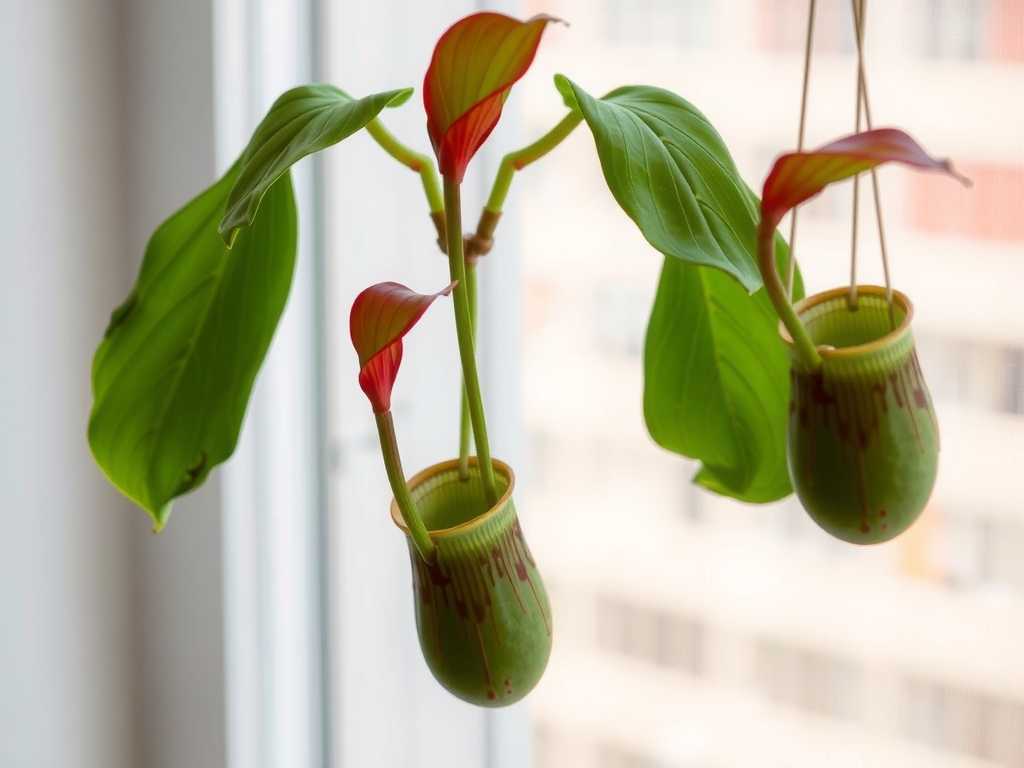
2. Create a Plant Grouping Cluster your Nepenthes with other humidity-loving plants like ferns or orchids. They create a communal transpiration bubble, collectively raising the local humidity. This grouping makes the humidifier's job more efficient.
3. Strategic Placement is Crucial Location within your apartment matters immensely. I made the mistake of placing my setup near a heating vent initially—it blew all the moist air away. I moved the group to a bright, east-facing bathroom (with a window). The natural moisture from showers gave it a daily boost. A kitchen corner away from the stove or a bedroom can also work well. Avoid high-traffic areas where doors open frequently.
4. The Enclosure Method (For High-Value Plants) For my most sensitive specimen, I use a partial enclosure. I placed a large, clear storage bin (with ventilation holes drilled in the sides) over the plant for a few hours a day to create a "humidity dome" effect. This can spike humidity to 80%+ temporarily. It's a highly effective trick for growing Nepenthes in dry climates, but requires monitoring to prevent overheating.
5. Airflow: The Critical Companion High humidity without airflow invites mold and mildew. I use a small, oscillating fan set on low, placed across the room to gently stir the air. This mimics a natural breeze, strengthens the plants, and prevents the stagnant conditions that caused my leaf spot issue during the misting phase.
Common Pitfalls and How I Solved Them
- Pitfall 1: Over-reliance on One Method. Believing a pebble tray alone would work was my first mistake. Solution: Layer the methods. Humidifier + grouping + smart placement is a synergistic system.
- Pitfall 2: Ignoring Air Circulation. Creating a humid, stagnant jungle. Solution: The gentle fan is as essential as the humidifier. It's non-negotiable for plant health.
- Pitfall 3: Forgetting About Nighttime. Humidity often plummets at night when temperatures drop. Solution: I set my humidifier's target humidity to be the same 24/7, or I use the timer to have it run for a few hours after lights out.
- Pitfall 4: Neglecting Water Quality. My first humidifier created a white film on everything. Solution: Switching to distilled water eliminated this and is better for the plants' soil in the long run.
My Nepenthes stopped producing pitchers after I brought it home. What now? This is almost always an acclimation issue involving humidity and/or light. Don't panic. Focus first on stabilizing your local humidity with a humidifier and good placement. Be patient. It can take several weeks to a month for the plant to adjust and restart pitcher production. Ensure it's getting very bright, indirect light as well.
Can I use a terrarium for my Nepenthes in my apartment? You can, especially for smaller plants. It's an excellent way to guarantee high humidity. However, you must choose a large, well-ventilated terrarium (not a closed jar) and provide strong grow lights. Heat buildup can be a major issue in enclosed spaces. For most apartment dwellers, the open-room microclimate approach with a humidifier is more flexible and less prone to heat-related problems.
What is the absolute easiest Nepenthes for low-humidity apartments? While no Nepenthes truly thrives in "low" humidity, some hybrids are remarkably tolerant. Nepenthes ventrata and Nepenthes sanguinea are consistently noted by growers and associations like the AHS for their adaptability. With the layered approach I've outlined—even starting with just a good humidifier and plant grouping—you can successfully grow these varieties without a constant struggle.
Successfully maintaining pitcher plant humidity indoors is about working with your apartment's reality, not against it. It requires moving beyond quick fixes and building a consistent system. The combination of a targeted humidifier, strategic plant grouping, and gentle air circulation transformed my results in just two weeks. The reward—watching a perfect, dewy pitcher form where once there was only a dry bud—is absolutely worth the effort. Start with the humidifier, pay attention to placement, and your Nepenthes will show its gratitude with vigorous growth and those incredible, carnivorous pitchers you've been dreaming of.





