 bluename
How to Keep Nepenthes Pitchers Healthy in American Heat Waves: A Grower’s Survival Guide
If you’re like me, watching your prized Nepenthes pitchers shrivel, dry up, or fail to form during a relentless American heat wave is pure heartbreak. One scorching summer, I nearly lost a mature Nepenthes ventricosa to a sudden, brutal heat dome. Its once-plump pitchers turned to crisp, brown paper in days. That crisis forced me to develop a real-world, battle-tested strategy. This guide isn’t just theory; it’s the exact step-by-step process I used to save my plants and help them not just survive, but actively pitcher through temperatures soaring above 100°F (38°C). We’ll tackle the core challenge: how to keep Nepenthes pitchers healthy when the mercury climbs.
Understanding the Heat Wave Threat: More Than Just Temperature
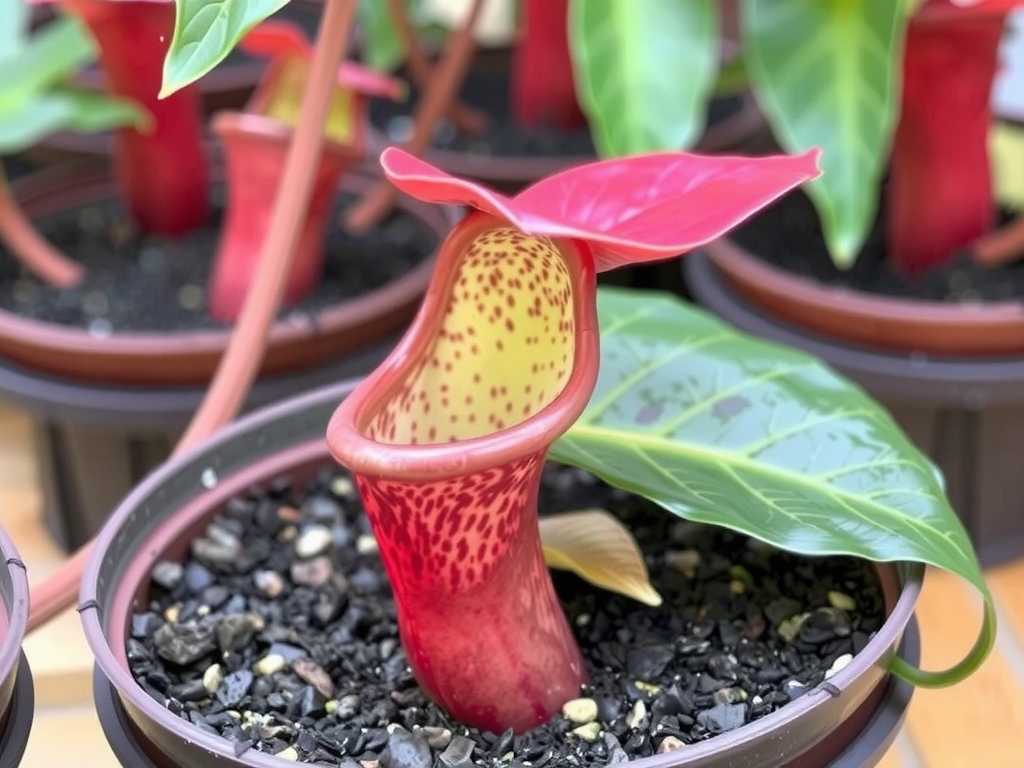
Nepenthes, while diverse, generally thrive in warm days with a significant nighttime cooldown and consistently high humidity. An American heat wave shatters this balance. The problem is threefold: extreme heat accelerates transpiration, drying out pitchers and leaves; low humidity desiccates developing pitcher buds; and, crucially, high nighttime temperatures prevent vital metabolic recovery. According to insights from the Carnivorous Plant Society and expert horticulturists, sustained nights above 75°F (24°C) can halt pitcher production entirely, as the plant’s energy expenditure outstrips its gains.
My core realization was that pitcher health in a heat wave isn’t about one fix. It’s about managing a microclimate. The two long-tail keywords central to our solution are increasing humidity for Nepenthes in heat and protecting Nepenthes from extreme heat stress. We’ll weave these concepts throughout.
My Two-Week Heat Wave Intervention Protocol
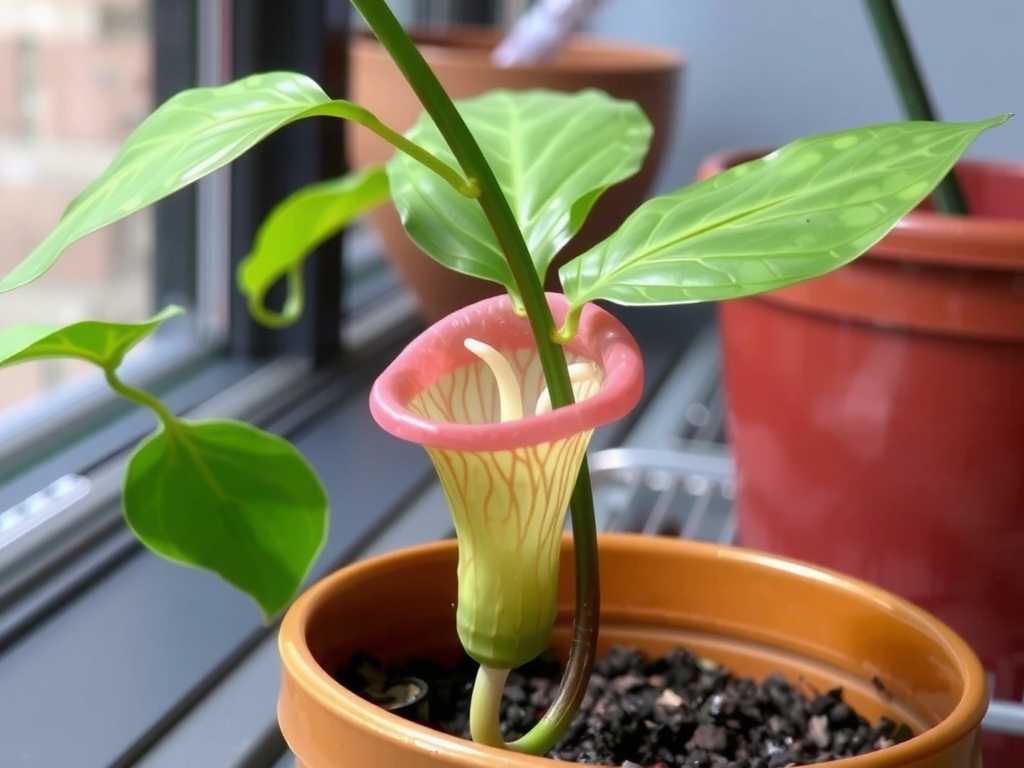
When forecasts predicted a 14-day stretch of 95-105°F (35-40°C) days with minimal night cooling, I implemented this plan on my hybrid and intermediate Nepenthes collection.
Phase 1: Immediate Emergency Measures (Days 1-3)
The goal here is damage control and stabilization.
- Strategic Relocation: I moved all plants away from south and west-facing windows. Even indoors, direct sun through glass could create an oven effect. I set them up in a bright room with strong indirect light, about 4-5 feet from an east-facing window.
- The Humidity Dome Maneuver: For my most sensitive, young pitcher-bearing plants, I created temporary humidity domes using clear plastic bags supported by stakes. This was a critical step for increasing humidity levels around tropical pitchers. I made sure the plastic did not touch the foliage to prevent rot. For larger plants, I grouped them tightly together on a wide tray, a classic technique that creates a beneficial microclimate.
- Watering Overhaul: I shifted from my usual top-watering routine to a consistent “tray method.” I kept about 0.5 inches of distilled water in their saucers at all times. This allowed the potting mix (a long-fiber sphagnum and perlite blend) to wick moisture as needed, ensuring the roots stayed cool and hydrated without becoming waterlogged. The importance of consistent moisture for Nepenthes cannot be overstated during heat stress.
The First Pitfall and Fix: Within 24 hours, I noticed condensation inside some of the plastic bag domes was excessive, beading up and dropping onto leaves. This posed a rot risk. My solution was to ventilate the domes twice daily for 15 minutes, simply opening the top. This balanced humidity with necessary air flow.
Phase 2: Active Cooling and Observation (Days 4-10)
This phase is about sustaining the plants and encouraging adaptation.
- Nocturnal Support is Key: Knowing that cool nights were absent, I aimed to lower the ambient temperature around the plants after sunset. I used a small, oscillating fan placed 8 feet away on its lowest setting, ensuring gentle air movement across the room without directly blasting the plants. Concurrently, I ran a compact ultrasonic humidifier for 4-5 hours each evening, raising the room’s relative humidity to 65-70%. This combo of managing Nepenthes environment during high heat mimicked a more natural dew point drop.
- Foliar Mist Timing: I began a strict regimen of misting the surrounding air and the outside of the pitchers (never the soil or crown) with distilled water just before sunrise and again in the late afternoon. This provided immediate evaporative cooling.
- Observation Log: I tracked pitcher condition daily. Older, large pitchers on my Nepenthes x ‘Miranda’ showed some mild peristome (the pitcher’s rim) drying but held their fluid. New tendrils on my Nepenthes ‘Bloody Mary’ that had stalled began to show slight swelling by Day 7—a hugely encouraging sign.
The Second Pitfall and Fix: On Day 6, I spotted the first signs of fungus gnats. The constantly moist tray was a perfect breeding ground. I immediately applied a thin top dressing of horticultural sand to the soil surface of affected pots and placed yellow sticky traps. This solved the issue within 48 hours without chemicals.
Phase 3: Assessment and Long-Term Adjustments (Days 11-14)
By the second week’s end, the heat wave persisted, but my plants were stable.
- Pitcher Health Verdict: Of 22 existing pitchers across 8 plants, 18 remained fully functional and liquid-filled. Two older pitchers fully browned (expected senescence), and two showed partial drying. Most significantly, three plants had initiated new pitcher buds. The protocol to protect pitcher plants from summer heat was working.
- Reducing Intervention: I removed the plastic bag domes, as the grouped tray method and room humidifier were now maintaining adequate humidity. I continued the evening fan and humidifier routine, as it had become the cornerstone of providing heat stress relief for carnivorous plants.
Building a Resilient Nepenthes Setup for Future Heat Waves
Based on this trial, I made permanent upgrades:
- Invest in Monitoring: I purchased a simple digital hygrometer/thermometer to track the exact conditions at plant level, not just the room thermostat.
- Upgrade Your Humidification: A reliable humidifier with a large tank is non-negotiable for multi-day heat events. It’s the most effective tool for maintaining Nepenthes pitcher turgor pressure in dry heat.
- Rethink Pot Material: I began transitioning some plants to unglazed clay or fabric pots. These “air-prune” roots and keep the root zone significantly cooler than plastic pots, a vital factor in safeguarding Nepenthes roots in hot weather.
Addressing Your Top Concerns
Can I use air conditioning to cool my Nepenthes? Yes, but with caution. AC drastically lowers humidity. If you use AC, your humidifier becomes absolutely essential. Avoid placing plants directly in the path of cold air vents, as the sudden chill can shock them.
My pitcher fluid evaporated. Should I refill it? This is common. You can carefully add distilled or reverse osmosis water to fill it about one-third to one-half. Don’t use tap water. However, a completely dry pitcher is often a sign it’s already non-functional and will brown. Focus on preserving fluid in the remaining pitchers.
Should I fertilize during a heat wave to support energy needs? Absolutely not. Fertilizing a stressed plant can burn roots and cause further damage. Nepenthes are adapted to low-nutrient environments. Their energy during stress should come from light and their own reserves, not from added nutrients. Wait until temperatures normalize and the plant shows clear signs of new growth.
Success with Nepenthes during extreme heat hinges on becoming a diligent weather manager for your small jungle. It’s about proactive humidity control, intelligent cooling, and vigilant observation. By focusing on the microclimate—cooling the roots, saturating the air with moisture at key times, and sacrificing a bit of light intensity for safety—you can guide your plants through the toughest summer spells. The sight of a robust, fluid-filled pitcher opening during a heat wave is the ultimate reward, proving that with the right adjustments, these magnificent carnivorous plants can thrive alongside you, even as the climate throws its worst at us.





