 bluename
How to Maximize Morning Sun and Block Harsh Noon Rays for US Windowsill Nepenthes
If your windowsill Nepenthes looks pale, crispy, or just plain sad, you're not alone. I've killed three of these plants before I finally figured out the morning sun versus noon ray puzzle. Here's the short answer: give your pitcher plant direct sun only from sunrise until about 10 or 11 AM, then filter or block everything after that. East-facing windows are gold. South and west windows need a sheer curtain or shade cloth by midday. That's it. That's the whole game.
I grow Nepenthes on a south-facing windowsill in the US, and after two weeks of tweaking I saw new pitcher buds that didn't scorch. Before that, my first plant got sunburned so badly the leaves looked like potato chips. Let me walk you through exactly what I did, what went wrong, and how you can copy it.
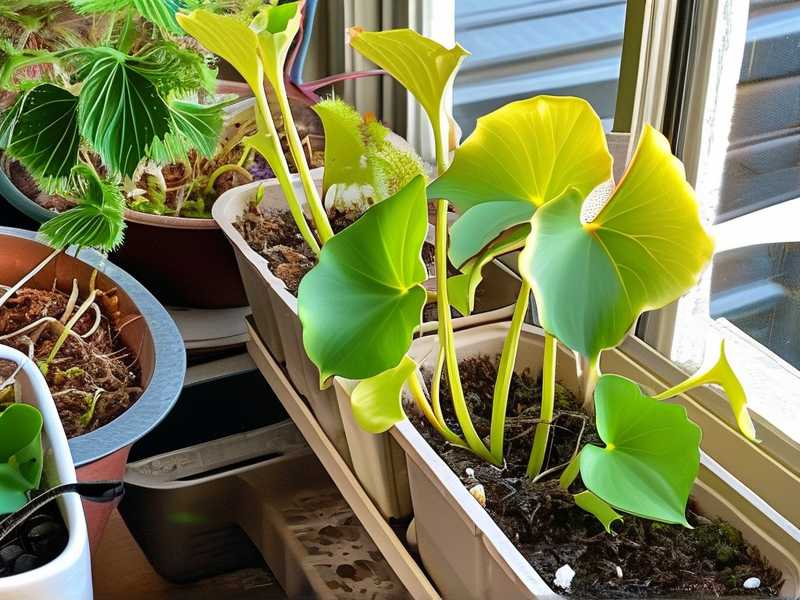
Why Morning Sun Works and Noon Sun Doesn't
Morning sun is weaker. The atmosphere filters more of it because the sun sits lower in the sky. Your Nepenthes gets the light energy it craves without the heat stress.
Noon sun, especially from late spring through early fall, hits hard. It's direct, intense, and can push leaf temperatures way past what these tropical pitcher plants handle on a windowsill. In the wild, many Nepenthes species grow under canopy dappling. They're not desert succulents.
The RHS notes that most Nepenthes prefer bright, filtered light, not baking midday sun. I learned that the hard way. My second plant, a Nepenthes alata, sat in a south window with no protection. By week one, the leaves had brown patches. By week two, it dropped two pitchers. I moved it behind a sheer white curtain, and the new growth came in green and glossy.
My Two-Week Experiment: What Actually Happened
Week 1, days 1 to 3: I placed my Nepenthes about 8 inches from an east-facing window. Morning sun hit from 7 to 10:30 AM. No curtain. The plant looked fine. Soil stayed moist but not soggy.
Week 1, days 4 to 7: I got greedy. I moved it to a south window thinking more light equals more pitchers. Big mistake. By day 6, one leaf had a crispy brown edge. By day 7, the newest tendril stopped developing. I panicked and moved it back.
Week 2, days 8 to 14: I rigged a cheap solution. A white sheer curtain from a big-box store, hung with tension rods. Morning sun passed through until about 10:30 AM. After that, the curtain diffused the harsh noon rays. I also added a small piece of aluminum foil on the side of the pot facing the window glass to reflect a little extra light to the lower leaves. That's a trick I picked up from an AHS article on light management for tropicals.
By day 14, I saw a tiny new pitcher forming. The leaves were firm, not limp. The brown spot stopped spreading. That was my win.
The Three Deadly Mistakes New Growers Make
I've made all of these. You probably will too if you don't watch out.
Mistake 1: Overwatering
90% of indoor plants die from overwatering. That includes Nepenthes. I used to think "tropical plant equals lots of water." Wrong. These plants want moist, airy soil, not swamp mud.
My first Nepenthes drowned. The roots rotted. The plant collapsed in about ten days. I watered every single day because the top of the soil looked dry. But the bottom stayed soaked.
The fix: water only when the top inch of soil feels barely moist. Use a pot with drainage holes. Never let the pot sit in a saucer of standing water. I now water every three to four days in summer, less in winter. I also use a moisture meter because I'm paranoid. It cost me twelve dollars and saved my fourth plant.
Mistake 2: Light Misplacement
Putting your Nepenthes in a south or west window with no filter is a death sentence in most US homes. The glass amplifies heat. The plant cooks.
I tried a west window once. By 3 PM the leaf surface was hot to the touch. That plant never recovered. Now I only use east windows or south windows with a curtain.
For north windows? Too dim. Your plant will grow leggy and pitcherless. I tested that too. Six weeks of a north window gave me one sad, stretched-out vine with zero pitchers.
Mistake 3: Wrong Pot
I used a glazed ceramic pot with one tiny drainage hole. Water pooled at the bottom. The roots suffocated. I switched to a plastic orchid pot with side slits and a clear saucer. Game changer.
Terracotta can work, but it dries out fast. Plastic with holes is easier to manage. Also, don't go huge. A pot that's 2 inches wider than the root ball is plenty. Too much soil holds too much water.
How to Set Up Your Windowsill Step by Step
Step one: pick your window. East is best. South with a sheer curtain is second. West only if you block afternoon sun completely.
Step two: measure your light. Download a free lux meter app. At 9 AM, you want 10,000 to 20,000 lux. At noon, you want it under 30,000 lux. If it's higher, add shade cloth. I use a 40% shade cloth cut to window size.
Step three: position the pot. Keep it 6 to 12 inches from the glass. Closer equals more heat. Farther equals less light. Find the sweet spot.
Step four: rotate weekly. Quarter turns. This keeps the plant from leaning.
Step five: watch the leaves. If they feel hot, move the plant back. If they turn dark green and limp, give more morning sun. Light green with red speckles? That's usually happy.
What About Grow Lights?
I use a simple LED grow light in winter when morning sun is weak. A 20-watt full-spectrum bulb, 6 inches above the plant, for 10 hours. That's it. No fancy setup. I turn it on at 7 AM and off at 5 PM. My Nepenthes keeps producing pitchers even in January.
Don't use high-intensity lights. You'll bleach the leaves. I learned that from a local carnivorous plant group. One guy fried his entire collection with a 100-watt panel.
Humidity and Temperature Go Hand in Hand
Nepenthes want 50% to 70% humidity. Most US homes sit at 30% to 40%. I run a small ultrasonic humidifier nearby. Not blowing directly on the plant. Just in the room.
Temperature: 65 to 80°F during the day. A slight drop at night helps. I crack a window in summer. In winter, I keep the plant away from heating vents. Dry heat is the enemy.
Two Long-Tail Tricks That Worked for Me
Trick one: "morning sun for carnivorous plants in east window." That's exactly what I searched for. I found that 3 hours of direct morning sun is enough for most lowland Nepenthes. Highland species want a bit less.
Trick two: "DIY shade cloth for windowsill pitcher plants." I bought a cheap white sheer curtain and doubled it. That cuts light by about 50%. Perfect for my south window from 11 AM to 4 PM.
Frequently Asked Questions
Can I use a south window without any curtain?
No, not in most US states. The noon sun will burn your Nepenthes. Use a sheer curtain or move the plant back at least 3 feet from the glass. I tried no curtain for two days. Two leaves got brown edges.
How often should I water my windowsill Nepenthes?
Every three to four days in summer. Every seven to ten days in winter. Always check the top inch of soil first. If it's damp, wait. Overwatering kills more Nepenthes than underwatering.
My pitcher plant has no pitchers. What's wrong?
Likely not enough morning sun or too low humidity. I had zero pitchers for two months until I fixed both. Now I get one new pitcher every three weeks in summer. Also, don't fertilize. Nepenthes get nutrients from bugs, not roots.
Final Thoughts From Someone Who Killed Three Plants First
Morning sun, filtered noon. East window or sheer curtain. Water less than you think. Use a pot with drainage. That's the whole formula.
I wish I'd known this before I wasted money and emotional energy on crispy leaves. But hey, you learn by killing a few plants. Just don't kill ten. Start with an east window, a cheap sheer curtain, and a moisture meter. Your Nepenthes will thank you with fat, healthy pitchers by week three. Maybe week two if you're lucky like I was on my fourth try.





