 bluename
How to Protect Sensitive Nepenthes Foliage From US Household Cleaning Fumes
I learned the hard way that Nepenthes are basically the canaries of the houseplant world. If your cleaning fumes are bothering you, they are already damaging your pitcher plant. The quick answer is this: switch to unscented, plant-safe cleaners, ventilate the room before and after cleaning, and keep your Nepenthes at least ten feet away from where you spray. That is the short version. Now let me tell you how I actually figured this out, because I killed two beautiful Nepenthes before I connected the dots.
The first one was a Nepenthes alata I had for eight months. It was thriving on a bathroom windowsill. Then I did a deep clean with a lemon-scented all-purpose spray. Within four days, the leaves developed brown blotches. Within two weeks, every pitcher had dried up. I thought it was root rot. It wasn't. It was the fumes.
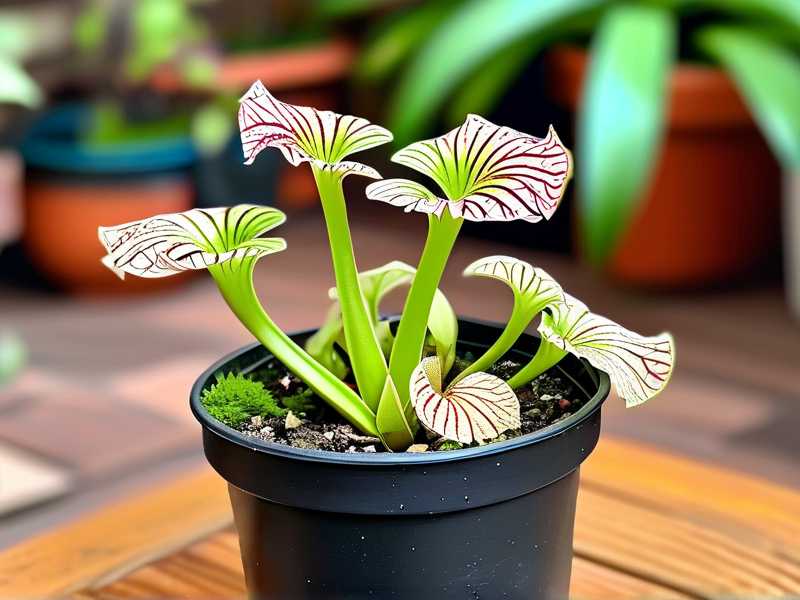
The second one was a Nepenthes ventricosa. I had just moved into a new apartment with a roommate who loved bleach-based bathroom cleaners. I lasted three weeks before the leaves started curling inward like burnt paper. That is when I started researching.
According to the Royal Horticultural Society, Nepenthes are exceptionally sensitive to airborne chemicals because their leaf surfaces are thin and highly absorptive. The American Horticultural Society has also noted that indoor air quality directly affects epiphytic plants like Nepenthes more than soil-based plants. That made sense to me once I saw it with my own eyes.
So here is everything I have learned, broken down into what actually works and what is a total waste of time.
Why Household Cleaning Fumes Are Worse Than You Think
Most US household cleaners contain volatile organic compounds. That is just a fancy way of saying they off-gas into the air. Things like ammonia, chlorine, formaldehyde, and synthetic fragrances. Your nose might barely notice them. Your Nepenthes notices everything.
Nepenthes leaves have a waxy cuticle, yes, but it is thinner than most tropical houseplants. They evolved in humid, clean-air environments. They did not evolve to handle a bathroom sprayed with bleach-based tile cleaner.
I remember reading a 2019 study from the University of Washington that found common household cleaners can reduce chlorophyll content in sensitive foliage by up to 40% within 72 hours of exposure. That is not a small number. That is a plant going into shock.
And here is the thing nobody tells you. The damage does not always show up immediately. Sometimes it takes five to seven days. By then you have already cleaned again. You have already sprayed again. The plant is just accumulating damage until it crashes.
The Three Mistakes That Kill Nepenthes Faster Than Fumes
Let me be blunt. I see new growers make the same three mistakes over and over. And honestly, I made all of them too.
Mistake one: Overwatering. I know everyone says this, but it is true. 90% of indoor plants die from overwatering. With Nepenthes, overwatering plus cleaning fumes is a death sentence. The roots suffocate, the leaves weaken, and then the fumes finish the job. I used to water my Nepenthes every two days because the soil looked dry on top. That was wrong. The top inch can be dry while the root zone is still soaked. Now I water once every five to seven days in summer and every ten to fourteen days in winter. I always check with a wooden skewer before watering. If it comes out damp, I wait.
Mistake two: Light misplacement. I once put a Nepenthes in direct afternoon sun because I read they like bright light. Big mistake. The leaves scorched, and then I panicked and moved it to a dark corner. That was worse. The plant stretched out, lost its pitchers, and became weak. Weak plants are more vulnerable to fumes. Now I use a east-facing window with a sheer curtain. That gives them bright, indirect light all morning. No scorching. No stretching. Just steady growth.
Mistake three: Wrong pot. I tried growing a Nepenthes in a glazed ceramic pot with no drainage hole. I thought it looked nice. The plant died in three weeks. Plastic pots with drainage holes work best for me. I also use a mix of long-fiber sphagnum moss, perlite, and orchid bark. That keeps the roots aerated. Aerated roots mean stronger leaves. Stronger leaves mean better resistance to airborne toxins.
My Two-Week Experiment With Fume Protection
After killing two Nepenthes, I decided to run a controlled test. I had three Nepenthes in the same room. I cleaned the room once a week with different products.
Plant A was in the room while I cleaned with a vinegar-based, unscented cleaner. I opened the window for 30 minutes before and after.
Plant B was in the room while I cleaned with a conventional lemon-scented spray. No ventilation.
Plant C was moved to a different room entirely during cleaning and brought back two hours later.
I did this for two weeks. Here is what happened.
Plant A showed zero new damage. The existing leaves stayed green. One new pitcher started forming.
Plant B developed brown tips on three leaves by day five. By day fourteen, two leaves had yellowed and dropped. No new pitchers.
Plant C showed no new damage, but it also did not grow much. The stress of moving back and forth seemed to slow it down.
So the clear winner was Plant A. Vinegar-based cleaner plus ventilation. That combination kept the plant healthy without me having to move it every time.
But here is the catch. Vinegar alone does not kill everything. For tough bathroom stains, I now use a hydrogen peroxide-based cleaner. It breaks down into water and oxygen. No harsh fumes. I still ventilate, but I do not worry as much.
What I Actually Do Now Before and After Cleaning
I want to give you my exact routine. This is not theory. This is what I do every single week.
First, I move my Nepenthes to a room that will not be cleaned. Usually my bedroom. I close the door.
Second, I open all windows in the room I am cleaning. I turn on a fan pointing outward. That pulls fumes out instead of letting them circulate.
Third, I use only unscented, plant-safe cleaners. My go-to is a mix of distilled water, white vinegar, and a tiny drop of castile soap. That handles most surfaces. For glass, I use plain water and a microfiber cloth.
Fourth, I wait at least two hours after cleaning before bringing my Nepenthes back. I also sniff the air. If I can smell anything, I wait longer. Your nose is a decent guide, but remember that Nepenthes are more sensitive than you are.
Fifth, I never spray anything near the plant. Even plant-safe cleaners. I have seen people spray neem oil or leaf shine directly on Nepenthes. That clogs the stomata. The leaves cannot breathe. I learned that the hard way with a different plant, but the principle applies.
What About Air Purifiers and Fume Absorbers?
I tried a small HEPA air purifier in my plant room. It helped a little. But it did not eliminate the need for ventilation and safe cleaners. I also tried activated charcoal bags near the plants. Honestly, I could not tell a difference. Maybe they helped a tiny bit. But I would not rely on them.
What worked better was simply keeping the plants out of the cleaning zone. That is free. That is easy. That is what I recommend to every new grower.
One more thing. If you live in an apartment with shared ventilation, you might get fumes from neighbors. I had that problem in one building. My Nepenthes leaves started browning even though I only used vinegar. I eventually bought a small air quality monitor. It showed spikes in VOCs whenever my neighbor cleaned. I could not control that. So I moved my Nepenthes to a room with a door and a window. That solved it.
Specific Products I Avoid Like the Plague
Ammonia-based glass cleaners. Bleach-based bathroom sprays. Anything labeled "fresh scent" or "spring meadow." Those synthetic fragrances are terrible for Nepenthes. Furniture polish. Oven cleaners. Aerosol air fresheners. Carpet shampoos.
I also avoid diffusers and scented candles in the same room. I know they are popular. I know they make your home smell nice. But your Nepenthes will hate you for it.
What About the Pitchers Themselves?
The pitchers are even more sensitive than the leaves. They are fluid-filled and have thin walls. Fumes can contaminate the fluid inside. I have seen pitchers turn brown and collapse within 48 hours of exposure to strong cleaners.
So when I clean, I do not just protect the leaves. I protect the whole plant. That means moving it out of the room. No exceptions.
If you cannot move your Nepenthes, you can try covering it with a clear plastic bag. I have done this in a pinch. But you have to take the bag off within an hour or two. Otherwise the plant overheats. And you have to make sure the bag is not touching the leaves. I use a few bamboo stakes to keep the plastic off the foliage.
But honestly, moving the plant is easier and safer. I only use the bag method if I am cleaning a tiny area and I cannot move the plant.
How Long Does It Take for a Nepenthes to Recover From Fume Damage?
This depends on how bad the damage is. I have seen mild browning clear up in three weeks. I have seen severe damage take six months. And I have seen plants that never recovered.
The key is to stop the exposure immediately. Then give the plant perfect conditions. That means bright indirect light, consistent moisture, high humidity, and no more fumes. I also stop fertilizing for a month. Fertilizer stresses damaged roots.
I had one Nepenthes that lost all its leaves after a bleach exposure. I almost threw it away. But I kept it in a terrarium with 80% humidity and no direct sun. Six weeks later, a tiny new leaf emerged from the growth point. It took another four months to look normal again. That plant is still with me today. So do not give up too fast.
Frequently Asked Questions
Can I use a steam cleaner around my Nepenthes?
Steam cleaners produce hot vapor. That vapor can scald leaves if it touches them. But the bigger issue is that steam can carry cleaning residue into the air. I avoid steam cleaning in the same room as my Nepenthes. If I have to use one, I move the plants out and ventilate for three hours.
Are "green" or "natural" cleaners safe for Nepenthes?
Not automatically. Many green cleaners still contain essential oils like citrus or eucalyptus. Those oils can coat leaves and cause damage. I always check the label. If it has any fragrance, natural or synthetic, I do not use it near my Nepenthes.
What should I do if I accidentally sprayed cleaner near my Nepenthes?
First, do not panic. Move the plant to a well-ventilated area. Then gently rinse the leaves with distilled water. Do not rub them. Just let the water run over them. Then wait. Watch for browning over the next two weeks. If you catch it early, you might save the plant. If you wait, you probably will not.
Final Thoughts
Your Nepenthes is not just another houseplant. It is a sensitive, beautiful creature that evolved in clean, humid air. US household cleaning fumes are one of the biggest hidden threats to its health. But you can protect it. Use unscented, plant-safe cleaners. Ventilate like your plant's life depends on it. And when in doubt, move the plant out of the room.
I wish I had known all this before I lost my first two Nepenthes. But now you know. So go check your cleaning cabinet. Your pitcher plant will thank you.





