 bluename
How to Care for Nepenthes in USDA Zone 9 for Year-Round Growth
I remember the first time I saw a Nepenthes pitcher plant in a botanical garden. Its otherworldly hanging pitchers captivated me, and I knew I had to grow one. But when I checked my location – right in the heart of USDA Zone 9 – every piece of advice I found was a warning. "Too hot," "too dry," "winters are too unpredictable." The consensus seemed to be that these tropical carnivores were impossible here without a dedicated greenhouse. That was my core pain point: a deep desire to grow these fascinating plants, met with a wall of discouraging, generalized information. I refused to believe it was impossible. After years of trial, error, and meticulous observation, I can confidently say that year-round Nepenthes care in Zone 9 is not only possible but incredibly rewarding. This guide is the one I wish I had, written from the trenches of my own subtropical garden.
My journey began with a crucial realization: not all Nepenthes are created equal. Success hinges on selecting the right species and hybrids for our specific climate challenges. Zone 9 presents a unique cocktail of intense summer heat, occasional humidity, and mild but potentially frost-touching winters. Lowland species, which thrive in constant, steamy heat, often struggle with our occasional winter dips. Highland species, accustomed to cool nights, can wither in our relentless summer sun.
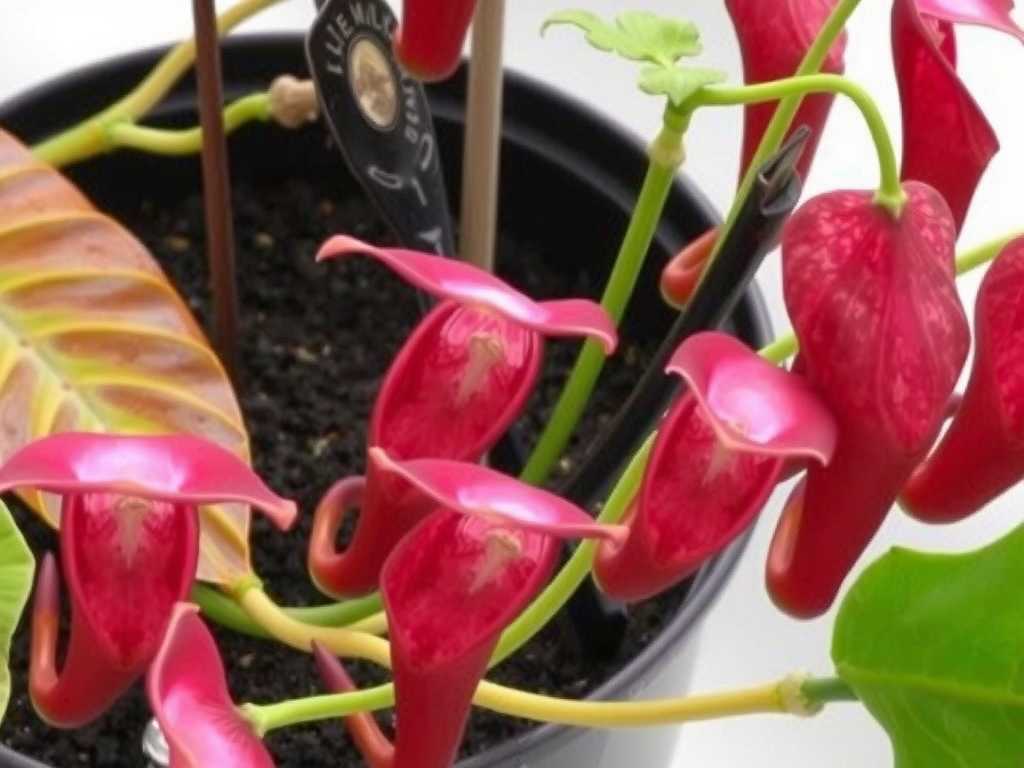
The key is focusing on adaptable intermediate hybrids. These are the workhorses for the Zone 9 grower. After killing a few sensitive pure species, I found my champions: Nepenthes 'Ventrata' (a remarkably tough hybrid), N. x Miranda, and N. sanguinea. These plants have shown a forgiving nature and a wider tolerance range. I sourced my first 'Ventrata' from a reputable nursery that specializes in carnivorous plants, ensuring it was healthy and acclimated to non-greenhouse conditions. This initial selection step is the most important investment you'll make.
Creating the Perfect Zone 9 Microclimate: Sun, Humidity, and Airflow
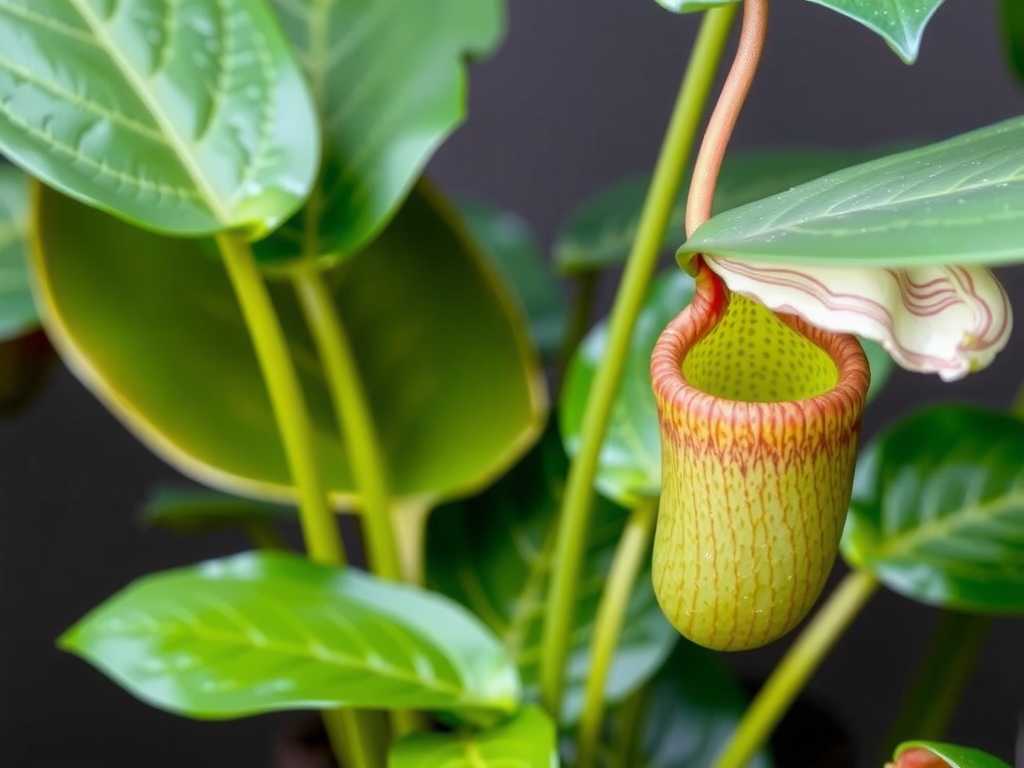
You cannot control the zone's climate, but you can absolutely engineer a microclimate. This is where the real work—and fun—begins.
Light: The Delicate Balance Nepenthes need bright, filtered light. Full Zone 9 summer sun will scorch their leaves into a crispy brown. I learned this the hard way with a N. alata I placed on a south-facing patio. Within a week, the leaves were bleached and the pitchers stopped forming. My solution was a 30-50% shade cloth hung over a bright, east-facing location. East-facing is golden; it provides the gentle morning sun these plants love while protecting them from the harsh afternoon blaze. If you're growing on a balcony, a layer of sheer curtain can work wonders. The goal is dappled sunlight, similar to what they would receive under a jungle canopy.
The Humidity and Watering Tightrope This is arguably the trickiest part. Nepenthes demand high humidity (ideally above 60%) to initiate pitcher formation, yet their roots are incredibly susceptible to rot. Zone 9's ambient humidity can spike in summer but plummet during Santa Ana winds or in our drier interiors. I fought root rot for months using standard potting soil. The breakthrough came from adopting the preferred media of experts like those at the Carnivorous Plant Society: a completely soil-less, airy mix. My recipe is 50% long-fiber sphagnum moss, 30% perlite, and 20% orchid bark. This mix holds moisture but drains instantly, creating humid air pockets around the roots without waterlogging them. For watering, I use only distilled water, rainwater, or reverse osmosis water. Tap water in most Zone 9 areas is mineral-heavy and will slowly poison your plant. I water thoroughly when the top inch of the moss feels just slightly dry to the touch. In the peak summer heat, this might be every other day. In our cool, damp winters, it might be once every 7-10 days. To boost humidity, I placed my potted Nepenthes on a large, wide pebble tray filled with water. The key is ensuring the pot sits on the pebbles, not in the water. As the water evaporates, it envelops the plant in a humid hug. I also group my carnivorous plants together; their collective transpiration creates a beneficial microclimate.
Seasonal Strategy: A Month-by-Month Approach
Static care will fail. You must adapt with the seasons.
The Scorching Summer (June - September) This is the growth season, but also the period of greatest stress. My plants live in their east-facing, shade-cloth sanctuary. I water more frequently and mist the surrounding area (not the pitchers directly) in the early morning to combat dry heat. Feeding becomes easy—the pitchers will be actively trapping insects on their own. I monitor closely for spider mites, which love hot and dry conditions. A strong blast of water or an application of insecticidal soap (used with extreme caution) can manage them.
The Transitional Shoulder Seasons (Spring & Fall) These are the golden times. Temperatures are ideal, and humidity is often more favorable. This is when I see explosive pitcher production. I use this time to do any necessary repotting and to propagate new plants from cuttings, ensuring I have backups (a lesson learned after a rare winter frost claim).
The Mild but Unpredictable Winter (December - February) This is the biggest hurdle for growing Nepenthes in subtropical climates. While our winters are mild, a sudden cold snap with temperatures dipping below 35°F (2°C) can be fatal. My fail-safe system is simple: mobility. All my Nepenthes are in pots. When the forecast predicts temperatures below 40°F (4°C), I bring them into my brightest, coolest room indoors—a spare room with a south-facing window that stays around 55-65°F. They stay there until the freeze threat passes. I reduce watering significantly during this indoor period, as growth slows. A humidifier in the room helps counteract dry indoor air. This strategy of moving them for just a few nights a year has been 100% successful.
A Two-Week Observation: The Humidity Experiment To quantify the impact of my pebble tray, I conducted a simple two-week observation last July. I had two identical N. 'Ventrata' cuttings. Plant A was on a wide pebble tray kept filled. Plant B was isolated on a stand with no humidity aid. Both received the same light and water. By day 10, the difference was stark. Plant A had developed a new, glossy leaf with a visible pitcher bud forming at its tip. Plant B's newest leaf was smaller, slightly curled at the edges, and showed no sign of a bud. The ambient humidity during this period fluctuated between 45-55%. The microclimate at Plant A's base, measured with a hygrometer, consistently read 65-75%. This small experiment visually confirmed what the experts say: consistent local humidity is the trigger for pitcher development, especially in our variable climate.
Feeding and Maintenance: Beyond the Bugs While they catch insects, occasional supplemental feeding can boost growth. I never put meat or insects directly into the pitchers; this can rot them. Instead, I use a diluted orchid fertilizer (at 1/4 strength) applied as a foliar spray to the leaves every 3-4 weeks during the active growing season, a method supported by horticulturalists at the Atlanta Botanical Garden. It's a gentle boost that mimics nutrient absorption from rain in the wild. Repotting is done every 1-2 years in early spring. I gently tease apart the old moss, trim any dead roots (black and mushy), and repot into the fresh airy mix. This refreshes the medium and gives the roots room to expand.
What are the most cold-hardy Nepenthes for a Zone 9 garden? While no Nepenthes is truly frost-tolerant, some can handle our typical winter lows if protected. Nepenthes sanguinea and the hybrid N. x Miranda have proven most resilient in my experience, briefly tolerating temperatures down to the low 40sF. However, I still recommend the "mobile pot" strategy for any dip near freezing. It's never worth the risk.
My Nepenthes is growing leaves but not pitchers. What am I doing wrong? This is almost always a light or humidity issue. The plant is healthy enough to grow vegetatively but lacks the environmental cues to produce pitchers. First, ensure it's getting enough bright, filtered light. Then, focus on boosting local humidity with a pebble tray or grouping plants. Be patient—once conditions are right, the next new leaf will almost certainly bear a pitcher.
Can I grow Nepenthes outdoors in Zone 9 year-round? With careful selection and a perfectly sheltered microclimate (like a shaded, enclosed patio that buffers wind and cold), it might be possible for the toughest hybrids. However, based on my experience and that of other growers in the Southeast U.S., the safest and most reliable method is to grow them in containers that can be moved to shelter during the handful of freezing nights we get each winter. This hybrid approach—outdoors for 95% of the year, sheltered for the critical 5%—delivers the best results.
Growing Nepenthes in Zone 9 is a lesson in attentive gardening. It teaches you to read the subtle signs in your plants and to work with your local environment, not against it. It requires a shift from a set-it-and-forget-it mindset to one of seasonal partnership. The reward is unparalleled: the sight of those intricate, dewy pitchers thriving against the odds, right in your own subtropical space. It starts with the right plant, built on a foundation of perfect drainage, sustained by managed light and humidity, and secured by a simple winter contingency plan. Follow this framework, and you'll transform that seeming impossibility into a thriving, pitcher-filled reality.





