 bluename
How to Time Nepenthes Propagation for Mild Warm Spring Temperatures Across the US
If you want the short answer: catch that two-to-three week window when nights stay above 55°F but days haven't pushed past 85°F yet. That's when I take my Nepenthes cuttings. Honestly, that's the whole trick. Miss it and you're fighting rot or stalled growth for months. I've killed more pitcher plant cuttings than I'd like to admit by ignoring this timing thing. So let me walk you through exactly how I time Nepenthes propagation for mild warm spring temperatures, whether you're in Oregon, Georgia, or somewhere in between.
Why Spring Timing Matters More Than You Think
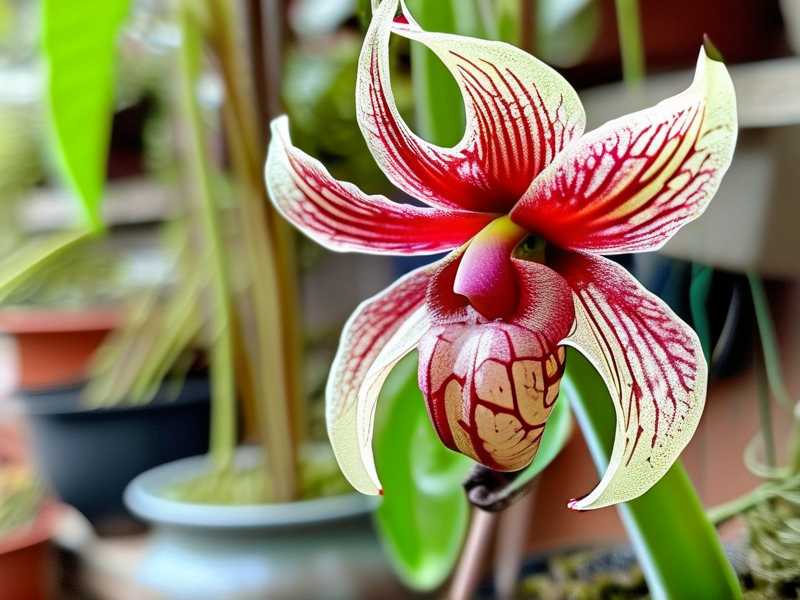
Nepenthes are tropical. But "tropical" doesn't mean they want blast-furnace heat. Most common household species, like N. ventrata or N. alata, grow best when temps sit between 65°F and 85°F during the day. At night, they want a drop, ideally 55°F to 65°F.
Spring gives you that naturally in most of the US. The problem is spring is short in some places. In Minnesota, you might get two good weeks. In coastal California, you get two good months. So you have to watch your local forecast, not just the calendar.
I learned this the hard way. Back in 2021, I took cuttings in late April in zone 7b. We hit a freak 92°F week right after. Every single cutting turned to mush in five days. That was my third pitcher plant death that year. Painful lesson.
The Two-Week Observation That Changed My Approach
Last spring I ran a small experiment. I took six cuttings from my N. ventrata on March 20. I kept them indoors under a grow light, near a window that got morning sun only. Night temps in the room stayed around 60°F. Day temps were 72–78°F.
Here's what I saw over 14 days. By day 5, two cuttings had yellowed leaves. I pulled those. By day 10, three more were still green but showing no root nubs. Only one had tiny white bumps at the base. By day 14, that one cutting had clear root initials, maybe 2mm long.
Now compare that to a second batch I took on April 10. Same room, same method. But outdoor temps had warmed up, and my indoor room was hitting 82°F during the day. Out of six cuttings, zero rooted in two weeks. Two rotted. The rest just sat there.
The difference? The first batch had cooler nights and gentler days. The second batch ran too warm too early. So timing isn't just about "spring." It's about that mild warm sweet spot.
Three Beginner Mistakes That Kill Nepenthes Cuttings
Let me save you some heartbreak. These are the three big ones I see over and over.
Mistake 1: Overwatering the Cutting Medium
I know you've heard this. But it's worth repeating. 90% of indoor plants die from overwatering. Nepenthes cuttings are even more sensitive. They have no roots yet. A soaked medium suffocates the stem.
What I do: use long-fiber sphagnum moss, not peat. Wring it out like a sponge. It should feel damp, not dripping. Then mist the leaves once a day. That's it. No tray of water. No daily drenching.
I killed a beautiful N. robcantleyi cutting because I thought "more moisture equals faster roots." Wrong. Stem turned black in four days.
Mistake 2: Light That's Too Strong or Too Weak
Nepenthes cuttings need bright, indirect light. Direct sun through a window in spring can cook them. But a dark corner stalls rooting.
My fix: put them 12–18 inches under a cheap LED shop light, or on a windowsill that gets two hours of soft morning sun. Rotate the pot every three days. You'll see the difference in leaf turgor within a week.
I once left a cutting on a south-facing sill in May. By day 3, the leaf edges were crispy. Lesson learned.
Mistake 3: Using the Wrong Pot Size
Small cuttings in big pots is a classic rot recipe. The medium stays wet too long. I use 3-inch net pots or clear plastic cups with holes punched in the bottom. Clear cups let you see root development without tugging the cutting.
Also, don't bury the stem too deep. Just enough to hold it upright. The node should sit right at the surface.
How to Time It by Region (Rough Guide)
The US is huge. Spring arrives at different times. Here's what I've found works, based on my own grows and swapping notes with other hobbyists.
Pacific Northwest (Seattle, Portland): Late March to mid-May. Nights are cool, days mild. Watch for rain, though. High humidity helps, but don't let the medium stay soggy.
Southeast (Atlanta, Charlotte): Early April to early May. Spring is warm and fast. You might only get three weeks before 85°F days hit. Take cuttings early.
Northeast (Boston, NYC): Mid-April to late May. Indoor heating is still on in April, which dries the air. Use a humidity dome.
Midwest (Chicago, Kansas City): Late April to mid-May. Weather swings hard. Check the 10-day forecast. If you see 80°F+ coming, wait or use indoor climate control.
Southwest (Phoenix, Tucson): February to early April. After that, it's too hot. You'll need to root cuttings indoors with AC.
The {{RHS}} recommends propagating tropical pitcher plants when active growth resumes in spring, which lines up with what I've seen. They also note that bottom heat around 70°F can speed rooting, but only if the air temp stays cooler.
My Step-by-Step Spring Propagation Routine
Here's exactly what I do, start to finish.
First, I pick a healthy vine with at least three nodes. I use clean scissors, wiping them with alcohol between cuts.
Second, I cut just below a node at a 45-degree angle. I remove the bottom leaf and trim any pitchers. Those drain energy.
Third, I dip the cut end in rooting hormone. I know some growers skip this. I've tried both. Hormone gives me maybe 20% faster rooting. Not huge, but worth it.
Fourth, I poke the cutting into damp sphagnum in a 3-inch pot. I label it with the date and species.
Fifth, I place it under a humidity dome or in a clear plastic bag. I open the bag for 10 minutes every other day to exchange air.
Sixth, I keep temps between 65°F and 80°F. At night, I let it drop to 58–62°F if possible.
Then I wait. And watch. No tugging. No fertilizing. Just misting and patience.
What the First Two Weeks Actually Look Like
Day 1–3: Cutting may droop. That's normal. Don't panic.
Day 4–7: If the stem stays green and firm, you're good. If it turns brown or mushy, toss it. Start over.
Day 8–10: You might see tiny white bumps at the base. That's callus tissue. Roots come next.
Day 11–14: With luck, you'll see root initials. They look like tiny white threads. Do not disturb them.
I check by lifting the pot and looking through the clear cup. If I see roots, I wait another week before potting up.
If I don't see roots by day 14, I don't give up. Some species take a month. But if the stem is still green, there's hope.
One More Thing: Humidity and Airflow
Nepenthes cuttings love high humidity, 70–80%. But they also need airflow. Stagnant wet air breeds fungus.
I use a small computer fan on low, pointed away from the cuttings. Just enough to move air. Or I open the humidity dome twice a day.
The {{AHS}} notes that good air circulation is key for preventing fungal issues in tropical plants. I've found that to be 100% true.
Frequently Asked Questions
Can I propagate Nepenthes in summer instead?
You can, but it's harder. Summer heat stresses cuttings. If you must, keep them indoors with AC and cool nights. Spring is just easier.
How do I know if my spring temps are "mild warm"?
Check your local forecast. Look for days between 70°F and 82°F, nights between 55°F and 65°F. If you see a heatwave coming, wait.
What if my cutting roots but then stops growing?
That's usually a light or temperature issue. Move it to brighter indirect light. Keep nights cool. Don't fertilize until you see new pitcher growth, which can take two to three months.
Final Thoughts
Timing Nepenthes propagation for mild warm spring temperatures isn't complicated. It's just about paying attention. Watch your local weather. Keep nights cool. Don't overwater. Use small pots. And give it two full weeks before you judge success or failure.
I've killed my share of cuttings. You probably will too. But once you hit that spring window right, you'll get roots faster than you expect. And that first new pitcher on a home-rooted cutting? Worth every bit of the wait.





