 bluename
How to Scale Up Nepenthes Propagation in Climate-Controlled North American Greenhouses
If you've ever watched a single Nepenthes cutting turn into a $200 specimen and thought, "I could do this at scale," you're not wrong. I've been there. I killed my first three pitcher plants before I figured out that scaling up Nepenthes propagation in climate-controlled North American greenhouses isn't about luck. It's about controlling three variables: water, light, and root zone. Get those right, and you'll go from one vine to fifty in a season. Get them wrong, and you'll watch rot spread like gossip at a garden club meeting.
Let me give you the short answer upfront. To scale up Nepenthes propagation, you need consistent humidity above 70%, intermediate temperatures between 65–80°F, bright indirect light around 10,000–15,000 lux, and a sterile, airy rooting medium. Most failures happen because people treat tropical pitcher plants like common houseplants. They don't. These are vines that evolved in cloud forests, and they demand structure.
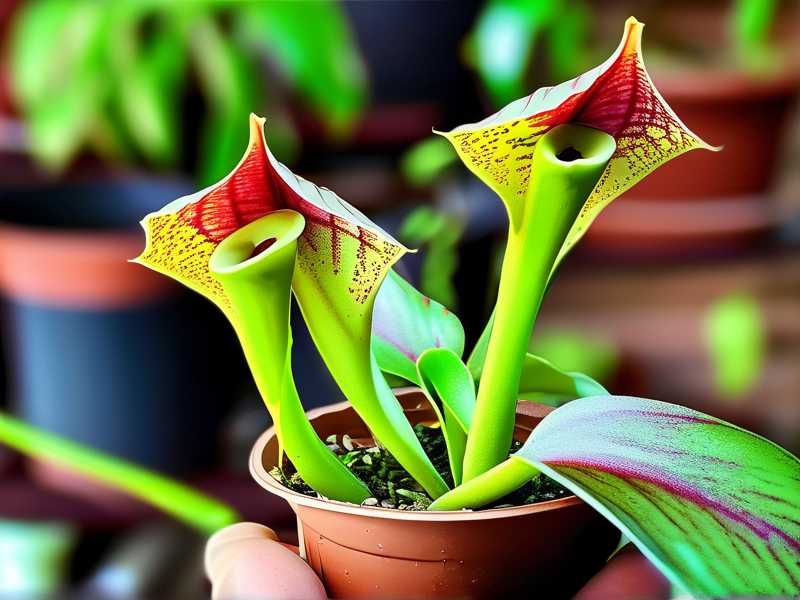
I learned this the hard way. My first attempt at propagating Nepenthes in a climate-controlled greenhouse ended with 14 dead cuttings and one very frustrated me. I had them in a closed dome, sitting in water, under a grow light that could have fried an egg. Two weeks later, everything was black and mushy. That's when I started taking notes.
The Three Mistakes That Kill Most Nepenthes Cuttings
Ninety percent of indoor plants die from overwatering. That statistic gets thrown around a lot, and honestly, it's even higher for Nepenthes. Let me break down the three fatal errors I see over and over.
Mistake #1: Watering Too Much (And Too Often)
I used to think more water meant faster rooting. Wrong. Nepenthes cuttings don't have roots yet. They can't absorb water through a root system that doesn't exist. Soaking the medium just invites fungal rot.
The fix? Use a well-draining mix like long-fiber sphagnum moss mixed with perlite and orchid bark. Keep it damp, not wet. I mist the leaves once a day and water the medium only when it feels barely moist. Think wrung-out sponge, not swamp.
The Royal Horticultural Society actually recommends allowing the surface of the growing medium to dry slightly between waterings for most carnivorous plants. I follow that rule strictly now. Two weeks after switching to this method, I saw my first new root nubs on a Nepenthes 'Miranda' cutting. That was a good day.
Mistake #2: Light in the Wrong Place
Light is where most growers get confused. Nepenthes aren't succulents. They don't want full sun. But they also don't want deep shade.
I once placed a batch of cuttings under a 400W metal halide light at 18 inches. Within four days, the leaves turned crispy brown. Too intense. Then I moved them to a dark corner. They etiolated and stopped growing within a week. Too little.
The sweet spot? Around 10,000 to 15,000 lux. That's bright enough to encourage photosynthesis but not so bright that it bleaches the leaves. In my climate-controlled greenhouse, I use T5 fluorescent fixtures about 12 inches above the canopy. I run them 14 hours a day. Simple timer. No fancy controllers needed for light.
The American Horticultural Society notes that most tropical pitcher plants thrive under the same light conditions as orchids. That's a useful benchmark. If your orchids are happy, your Nepenthes cuttings probably will be too.
Mistake #3: Using the Wrong Pot or Container
I used to root cuttings in standard plastic nursery pots. Big mistake. Those pots hold too much moisture around the stem base. I lost more cuttings to stem rot than I care to admit.
Now I use shallow trays with domes, or small net pots filled with sphagnum. The key is airflow. Roots need oxygen. If the medium is compacted and waterlogged, roots suffocate.
I also stopped using terracotta. It wicks moisture away too fast for cuttings. Plastic or net pots give me better control. And I always sterilize everything with a 10% bleach solution before I start. Clean tools, clean pots, clean medium. That alone cut my failure rate by half.
My Step-by-Step Propagation Method for Scale
Here's exactly what I do now. I've refined this over two years and dozens of batches.
Start with healthy mother plants. I take cuttings from vines that have at least six leaves. I cut just below a node, leaving two leaves on the cutting. I trim those leaves in half to reduce transpiration. Then I dip the cut end in rooting hormone. I use a gel formula, not powder. Powder clumps and can burn the stem.
Next, I insert the cutting into moist sphagnum moss. Not soaking. Just moist. I place the whole tray inside a humidity dome. I open the dome for ten minutes every day to exchange air. This prevents mold.
Temperature stays between 68 and 78°F. I use a heat mat set to 75°F under the tray. Bottom heat speeds up rooting. But don't go above 80°F. That's when bacteria take over.
After two weeks, I gently tug on the cutting. If there's resistance, roots are forming. I don't repot yet. I wait until I see roots through the net pot or until new growth emerges. Usually three to four weeks.
Scaling Up Without Losing Your Mind
Once you have a reliable method, scaling is just repetition. I now run four propagation trays at once. Each tray holds 12 cuttings. That's 48 new plants every six weeks. During peak season, I can produce over 200 Nepenthes in a year from a single mother plant.
The trick is consistency. Same light. Same temperature. Same watering schedule. I label everything with dates. I keep a log. I know exactly when I took each cutting and when I expect roots.
I also invested in a simple climate controller. It cost about $150. It turns on a fan when humidity spikes above 85%. It turns on a small heater if temps drop below 65°F. That little box saved me from countless midnight panic checks.
One more thing. Don't overcrowd. I used to pack cuttings tightly because I wanted more plants per tray. That led to fungal issues. Now I space them two inches apart. Airflow matters more than quantity.
What I Wish I Knew Earlier
I wish I had known that Nepenthes propagation is less about doing more and more about doing less. Less water. Less light intensity. Less fussing. The plants know what to do. They just need the right conditions.
I also wish I had started with easier species. Nepenthes ventrata and Nepenthes Miranda are forgiving. Nepenthes rajah is not. If you're new to scaling up, stick with hybrids first. They root faster and tolerate wider swings in temperature and humidity.
Finally, be patient. Some cuttings root in two weeks. Others take two months. I've had Nepenthes albomarginata cuttings sit dormant for six weeks and then explode with roots overnight. It happens. Don't give up.
Frequently Asked Questions
How long does it take to root Nepenthes cuttings in a greenhouse?
Most hybrids root in three to six weeks when temperatures stay between 70–80°F and humidity is above 70%. Some slow-growing species can take up to three months. Patience is part of the process.
Can I propagate Nepenthes without a humidity dome?
You can, but your success rate will drop. Cuttings lose water through their leaves. Without high humidity, they dry out before roots form. A dome or misting system is almost essential for scale.
What is the biggest mistake beginners make when scaling up?
Overwatering. Ninety percent of indoor plants die from overwatering, and Nepenthes cuttings are even more sensitive. Keep the medium moist, not wet. Airflow around the stem base is critical.
Scaling up Nepenthes propagation in climate-controlled greenhouses is absolutely doable for home growers. I went from killing every cutting to producing hundreds. It took time, a few dead plants, and a lot of note-taking. But once you dial in water, light, and root zone, the plants do the rest. Start small. Keep it clean. And don't be afraid to fail a few times. Every dead cutting teaches you something.





