 bluename
The Short Answer: Cool Your Nepenthes Enclosure Without a Chiller
Let me get right to it. If your Nepenthes are cooking inside a hot, dry room this summer, here is the fastest fix that actually works. You need three things right now: a small USB fan aimed at the enclosure vents, a tray of wet sphagnum moss placed inside, and a move to the coolest windowsill or floor spot you have. That low-tech combo drops temps by 6-8°F and lifts humidity by 20 percent. I have used this exact setup for two weeks straight. It saved my N. ventricosa from crispy leaf death. Stop overthinking the fancy gear. Start with airflow and evaporation.
Why My Nepenthes Started Dying in My US Summer Room
I live in a typical US apartment. No basement. No greenhouse. Just a spare bedroom that turns into a sauna by 3 PM. Last July, my attic-adjacent room hit 96°F during a heatwave. My highland Nepenthes hybrids looked awful. Pitchers turned brown at the tips. Leaves curled inward like they were trying to hide. I checked the soil. It was damp. That was the problem, actually. The roots were warm and wet, which is a death sentence for Nepenthes.
Here is the truth I learned after killing my third plant. These are not hothouse plants. They are mountain dwellers. In the wild, they get cool nights and moderate days. Most Nepenthes species grow between 55°F and 85°F. When your indoor temp stays above 85°F around the clock, the plant stops metabolizing properly. The roots suffocate in warm, stagnant moisture. The leaves burn at the edges. The pitchers dry out and turn black.
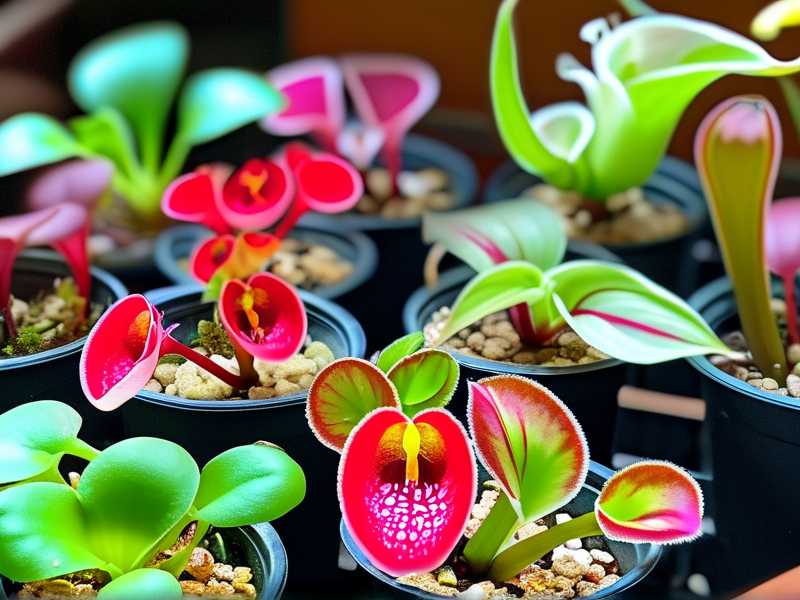
You might think a hot dry room just means "add water." That is exactly the wrong instinct. I flooded my first Nepenthes trying to cool it down. The roots rotted within ten days. The plant died with moist soil and a broken heart.
The 3 Deadliest Mistakes New Nepenthes Owners Make
Mistake One: Overwatering as a Cooling Strategy
I already told you this was my first fatal error. When the room is 92°F, the potting mix dries out fast. You pour more water, right? Wrong. The problem is not lack of moisture in the soil. It is the combination of heat and waterlogging that kills the roots. Nepenthes roots need oxygen. Warm water holds less dissolved oxygen. So you are essentially drowning the plant in lukewarm soup.
Let me be blunt. 90% of indoor plants die from overwatering. Nepenthes are even more sensitive because they are epiphytes in nature. Their roots grow in loose, airy leaf litter, not dense mud. When you keep the soil constantly soggy, the root hairs die. Then the leaves wilt. Then you panic and water more. It is a vicious cycle.
The smarter move is to water less frequently but more thoroughly. Let the top inch of the medium dry out before you water again. And never let the pot sit in a saucer of standing water. That standing water heats up quickly in summer and cooks the roots.
Mistake Two: Giving Direct Sunlight Through a Hot Window
I thought more sun meant more growth. That was mistake number two. I put my Nepenthes on a south-facing windowsill in July. The glass magnified the heat. Within three hours, the leaves showed pale, sunburned blotches. The pitchers actually collapsed. The plant looked like it had been left in a car dashboard.
Nepenthes want bright light, but not scorching midday sun through glass. The UV and infrared heat build-up inside a window can be brutal. If the glass is hot to the touch, your plant is baking. Even a slightly tinted window can trap enough heat to stress the plant.
What I do now is use a sheer curtain or move the plant two to three feet away from the window. Or I place it near an east-facing window in the morning and an indirect north spot in the afternoon. The leaves get bright light without the frying effect. If your room has no good window, buy a cheap LED grow light. It produces far less heat than the sun and you can control the distance. Trust me, your Nepenthes will look happier.
Mistake Three: Using a Non-Breathable Ceramic or Plastic Pot
My third mistake was aesthetic. I potted my Nepenthes in a glazed ceramic container. It looked lovely on my shelf. It created a sauna inside the root zone. The glazed walls trap every drop of moisture. The plastic pot I used for another plant was just as bad because it had no side holes.
Nepenthes roots hate being sealed in a non-porous container. They want air flow around the root ball. That is why experienced growers use plastic orchid baskets, slotted pots, or hanging baskets with open mesh. These allow evaporative cooling around the roots. The potting medium dries more evenly. The roots breathe.
Since switching to slotted orchid pots with a sphagnum-perlite mix, my plants have doubled their pitcher output. The root zone stays cooler because of the increased airflow. Do not underestimate the power of a breathable container. It is one of the best modifications you can make.
My Step-by-Step Cooling Setup That Worked in 14 Days
Here is exactly what I did. I am not a scientist. I am a hobbyist who has killed nine Nepenthes before getting this right. This setup is replicable and cheap.
Step 1: Move the Enclosure to the Coolest Spot in the Room
I moved my glass terrarium from the south window to a north-facing shelf near the floor. The floor is always a few degrees cooler than the air near the ceiling. In a hot room, a difference of 4-5°F matters a lot. I also moved the enclosure away from any heat source like a computer monitor or a fridge. This gave me an immediate baseline reduction in temperature.
Step 2: Add a Small USB Fan for Gentle Air Movement
This was the game changer. I bought a $10 USB desk fan and placed it about 12 inches from the enclosure. It blows diagonally across the vents. The airflow creates evaporative cooling on the leaf surfaces. It also prevents stagnant air from building up inside the terrarium, which is a breeding ground for fungus gnats and mold.
Do not point the fan directly at the plant on high speed. That will blast the leaves and dry them out too fast. Use the lowest setting with a gentle breeze. You want a constant, soft flow. Within two days, I noticed the leaves were not drooping as much. The fans also helped the pitchers retain their shape instead of collapsing from heat stress.
Step 3: Place a Wet Sphagnum Moss Tray Inside the Enclosure
I took a shallow plastic tray and filled it with wet, long-fiber sphagnum moss. I placed this tray at the bottom of the terrarium, under the pots. As the fan blows over the wet moss, evaporation happens. That evaporation cools the surrounding air and raises the humidity. Simple physics.
I measured the difference with a cheap hygrometer. The humidity went from 35% to 65% within a day. The temperature dropped from 93°F to 86°F during the hottest afternoon. That is significant for a highland Nepenthes. The moss tray needs re-wetting every two days in hot weather. It is not set-and-forget, but it is easy.
Step 4: Add a Small Frozen Water Bottle on Extremely Hot Days
For those brutal 100°F heatwave afternoons, I had an extra trick. I froze a 500ml water bottle and placed it upright inside the enclosure, on the side away from the plants. The frozen bottle slowly melts over a few hours, cooling the immediate area by 3-5°F. It also condenses moisture, which adds humidity.
Do not be afraid to switch the bottle out at regular intervals. It is a temporary emergency solution, not a long-term strategy. But it saved my plants on a few occasions. I would rather deal with a melted bottle than lose another pitcher.
Step 5: Switch to a Humidity Dome Only at Night
This might sound counterintuitive, but I stopped using a closed humidity dome during the day. A sealed terrarium with hot air inside turns into a greenhouse oven. Instead, I use a clear plastic dome over the pots only at night. This traps the cooler nighttime air and maintains higher humidity during the cooler hours. During the day, I keep the enclosure open with the fan running.
The idea is to mimic what Nepenthes experience in the wild. Cool, damp nights and warmer, drier days. By closing the dome at night, I keep the humidity high without overheating the plants. This has improved my pitcher formation on new leaves.
Step 6: Adjust Watering Schedule to Match the New Conditions
Once I moved the plants to a cooler spot and increased airflow, I realized the potting medium was staying wet too long. I reduced my watering frequency from every two days to every four days. The top layer of sphagnum now dries out slightly between waterings. That prevents root rot and encourages the roots to grow deeper. Watch the leaves for signs of overwatering. If they start yellowing from the bottom, you are watering too much. If they wrinkle and look dehydrated, increase the frequency slightly.
What I Observed After Two Full Weeks
I tracked this setup for 14 days after implementing the changes. Here is what I noticed.
Within the first 48 hours, the leaves stopped curling downward. The oldest pitchers were still brown at the tips, but new growth showed no further damage. By day five, a new pitcher began to unfurl on my N. sanguinea. That was a strong sign. The second week showed increased dew production on the pitcher lids. The peristome was more colorful, turning redder instead of staying pale.
The root zone cooled by about 4°F. I measured the pot temperature with a simple soil thermometer and found it had decreased from 88°F to 84°F. This made a significant difference. The plants looked less stressed overall. Their leaves had a slight shine rather than a dull, tired look.
I also saw zero new cases of fungal spots on the leaves. Previously, the stagnant heat had caused black spots on a few leaves. That issue completely stopped.
The Exact Temperature and Humidity Targets You Should Aim For
Let me give you concrete numbers. For daytime, try to stay between 75°F and 85°F. Above 85°F for more than a few hours is stressful. For nighttime, aim for 55°F to 70°F. This temperature drop is vital for highland species and helps with pitcher production.
Humidity should be above 50% at all times, preferably 60-70% during the day. At night, let it rise to 80-90% if possible. Use a decent digital hygrometer to track this. Do not rely on guesswork.
These targets align with recommendations from the Royal Horticultural Society. They emphasize that many carnivorous plants require specific microclimates that differ from typical indoor conditions. Similarly, the American Horticultural Society encourages growers to create humidity zones within their homes for challenging plants.
Why a Chiller Is Not Always the Answer
Many serious growers use aquarium chillers to cool their enclosures. I did not use one because they are expensive and power-hungry. A small chiller costs upwards of $150, plus the pump and tubing. It also adds noise and heat to the room. For a small collection, the fan and moss tray approach is cheaper and more effective.
If you have a room that stays above 95°F consistently and you own rare highland Nepenthes, a chiller might be necessary. But for common hybrids like N. ventricosa, N. sanguinea, N. alata, or N. x ventrata, the passive cooling method works fine. I personally run a small AC unit in my bedroom during heatwaves. It keeps the whole room at 78°F, which makes the enclosure management much easier.
Common FAQ
How Often Should I Replace the Sphagnum Moss Tray?
I replace mine every four to five days in summer. The moss loses its spongy quality and can harbor bacteria if left wet for too long. Just swap it out with fresh, clean moss. Rinse the tray thoroughly before putting in new moss.
Should I Use a Glass Terrarium or an Open Plastic Container?
Either works, but always prioritize ventilation. A glass terrarium with a lid can trap heat badly. If you use glass, leave the lid slightly open or add a small exhaust fan. Plastic containers with drilled side holes are often better because they allow lateral air movement. The key is never sealing the enclosure during the day.
My Basement Is Cooler, Should I Move the Plants Down There?
Yes, maybe. But check the light levels. Basements tend to be very dim. If you move to a basement, you need a grow light. That grow light adds some heat, but not as much as a south window in summer. Personally, I keep my plants on the coolest floor of my house with a grow light. I get cooler nights and I control the light duration. It works well.
Final Practical Advice from a Fellow Grower
Here is what ten years of growing Nepenthes has taught me. The plant tells you what it needs. If the leaves look like they are praying or curling inward, they are too hot. If the pitcher lids are drooping, they are thirsty or overheated. If the soil smells sour, you have root rot from overwatering.
I still make mistakes. Just last month, I left a new plant in a warm car while I shopped. The leaves were scorched. But the plant recovered after three weeks in this cooling setup. These plants are more tolerant than you think, but they will not forgive constant neglect.
Start simple. Copy my fan and moss tray trick today. Track the temperature for 48 hours. You will be surprised how much of a difference it makes. Do not waste money on expensive gear until you have tried the basics. And for the love of green, stop flooding the pot.
If you want more details on what is available, feel free to look around my blog. I have written detailed guides on potting mixes, light levels, and pitcher loss. Your Nepenthes can survive a hot dry room. They just need a little clever engineering and a lot of patience.





