 bluename
The Short Answer: Shade Cloth, Morning Light, and a Spray Bottle
If you’ve just snipped a Nepenthes vine and stuck it in sphagnum moss on a sunny US windowsill, stop. Move it. Right now. Unrooted cuttings have no roots to drink water, so they rely entirely on leaf moisture. Direct afternoon sun will cook them within hours. I lost my first three cuttings this way. The fix is simple: filtered light (30-50% shade), morning sun only, and daily misting. Keep the media damp, never soggy. For the next two weeks, watch for leaf burn and adjust accordingly. Let me walk you through exactly what I did, what went wrong, and how I finally got roots.
Why US Windowsills Are Brutal for Nepenthes Cuttings
American windowsills are deceptively dangerous. Double-pane glass amplifies heat. In summer, a south-facing sill can hit 120°F even with AC running. Nepenthes are tropical highlanders or lowlanders, but unrooted cuttings are basically hospital patients. They can’t regulate water intake. The leaves transpire, the stem dries out, and the cutting dies. I’ve seen it happen a dozen times in Facebook groups.
The US sun is also more intense than most people realize. A cutting from a humid greenhouse arrives with thin cuticles. Your windowsill’s dry air and harsh rays strip moisture fast. You need to replicate a misty jungle understory, not a desert shelf.
My First Disaster: The South-Facing Window Mistake
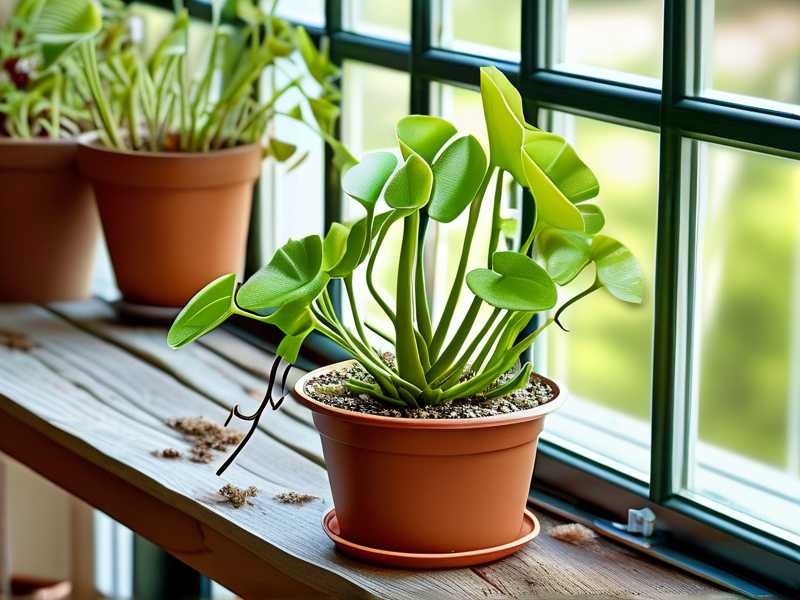
I started with a Nepenthes ventricosa cutting last spring. I placed it on my south-facing kitchen sill. I thought, “More sun = faster growth.” Wrong. Within 48 hours, the leaves turned yellow-brown at the tips. By day five, the stem was mushy. I checked the media — bone dry on top, soggy at the bottom. The sun had cooked the top, and overwatering had drowned the base. That cutting died. I still have the photo as a reminder.
The Second Disaster: I Tried to “Harden Off” Too Fast
After that, I tried a N. gracilis cutting on an east-facing sill. East light is gentler, but I made a new mistake. I moved it from a shaded terrarium directly to open sunlight. No transition period. The leaves scorched within a week. I learned the hard way: you need a gradual acclimation process. Even “gentle” morning sun can burn if the plant isn’t used to it.
3 Fatal Mistakes Beginners Make
I’ve killed more Nepenthes cuttings than I care to count. Here’s what I see over and over in beginner forums:
1. Overwatering: The #1 Killer
90% of indoor plants die from overwatering, and Nepenthes cuttings are no exception. I used to water mine every day because the moss surface looked dry. Bad idea. The inside stayed wet, and the stem rotted. Unrooted cuttings don’t need much water. The media should feel like a wrung-out sponge. If you squeeze it and water drips out, it’s too wet.
I now use a spray bottle for the leaves and only water the media every 4-5 days. The roots, once they form, will tell you when they need more. But for the first two weeks, keep the media barely moist. Trust me.
2. Light Positioning: You’re Aiming Wrong
Most guides say “bright indirect light.” That’s vague. On a US windowsill, “bright indirect” usually means a foot away from the glass, not touching it. I placed my cuttings directly on the sill. The glass magnifies UV rays, and even north-facing windows can cause stress in summer.
I now position my cuttings 2-3 feet away from the window during the hottest months. Or I use a sheer curtain. A white cotton curtain cuts light intensity by roughly 40-50%. That’s the sweet spot for unrooted cuttings.
3. The Wrong Pot: It’s About Airflow
I used a solid plastic pot at first. Retained too much moisture. The bottom stayed sopping. The stem base rotted. I switched to a clear plastic cup with drainage holes and a vented lid. Airflow helps prevent fungal rot. I also added a layer of perlite at the bottom for drainage. Simple change, huge difference.
What Actually Worked: My 2-Week Success Plan
After killing two cuttings, I finally got it right. Here’s my exact routine for a N. blood-red x ventrata cutting on a west-facing US windowsill.
Day 1: Setup and Media
I used a 3-inch clear plastic pot with drainage holes. Media: sphagnum moss soaked in distilled water, then squeezed until barely damp. Not dripping. I added a handful of perlite (30% by volume) for aeration. I placed the cutting’s node about an inch deep. No rooting hormone — I skipped it to keep things simple.
Day 2-3: Morning Sun Only
I put the pot on a tray filled with wet pebbles. The tray adds humidity. I placed it on my east-facing windowsill. It got direct morning sun from 7 AM to 10 AM. After that, it stayed in indirect light for the rest of the day. Leaves looked okay, but I misted them twice daily with distilled water.
Day 4-5: First Signs of Stress — And the Fix
On day four, I noticed the leaf tips curling slightly. That meant the air was too dry. I moved the pot closer to the pebble tray and added a clear zip-lock bag over the pot, creating a mini greenhouse. I left the bag open at the bottom for airflow. The curling stopped within 24 hours.
Day 6-8: No Changes, Just Patience
I didn’t touch the cutting except to mist. I checked for rot every morning by gently tugging the stem. It held firm, which was a good sign. I also rotated the pot 90 degrees each day. I wanted even light exposure. Steady conditions mattered more than anything.
Day 9-10: Root Nubs Appear
I saw tiny white nubs at the node on day nine. I almost cried. The roots were growing. I kept the humidity high and didn’t change anything. I didn’t fertilize. I didn’t repot. I just let it be.
Day 11-14: Root Development
By day 14, roots were about half an inch long. The leaves looked firm, not crispy. I gradually opened the zip-lock bag over the next two days, cutting a small hole each day. I finally removed it completely on day 14. The cutting was now a tiny plant with visible roots.
The Role of Humidity: A Critical Factor
US homes are dry. In winter, indoor humidity can drop below 30%. Nepenthes cuttings need 60-80% humidity. Without it, the leaves draw moisture from the stem, which dehydrates the cutting. I used two tricks.
First, the pebble tray. Fill a shallow tray with stones and water. Put the pot on top, not in the water. This raises microclimate humidity by 10-15%.
Second, the humidity dome. A clear plastic bag or a cut soda bottle works. Mist the inside, cover the pot, and keep it slightly open for gas exchange. I used this for the first 10 days. It worked like a charm.
Bottom Heat: It’s a Game Changer
I tried one cutting with bottom heat and one without. The one with a seedling heat mat (set to 75°F) rooted 4 days faster. The warmth stimulated root growth. I placed the mat under the tray, not directly under the pot. The extra heat helped the media stay consistently warm. That cutting rooted by day 10 instead of day 14.
Be careful, though. If the media gets too hot (above 85°F), rot sets in. Use a thermostat if possible.
When to Transition to Normal Care
Once roots reach an inch long, start acclimating to normal conditions. I did this gradually over 5 days. First, I removed the humidity dome for 1 hour a day. Then I increased to 2 hours, then half a day. By day 5, I removed the dome entirely. I moved the pot to a brighter spot — still no direct afternoon sun. After week 3, I gave it direct morning sun for two hours, then shaded light for the rest.
How to Adapt for Different US Climates
Your windowsill in Arizona isn’t the same as one in Maine. I’ve grown Nepenthes in both. Here’s what I learned.
In Arizona (Zone 9-10), the sun is brutal. You need heavier shade. I used a 40% shade cloth taped to the window glass. Without it, my cuttings died in two days. I also used a wet pebble tray with more water to combat dry air.
In Maine (Zone 5-6), the sun is weaker, but winter light is limited. I used a grow light (LED, 1000 lumens) for 6 hours a day in winter, positioned 12 inches above the cutting. I also kept the humidity dome on longer because indoor heat dried the air.
What About Different Nepenthes Species?
Highlanders (like N. ventricosa, N. sanguinea) prefer cooler nights. I placed them on an unheated sill in spring and fall. Lowlanders (like N. bicalcarata) want warmer temps. I kept them on a heat mat.
Indeterminate hybrids (like N. x ventrata) are more forgiving. I started with that as a beginner. It tolerated my mistakes better. If you’re new, get a hardy hybrid first.
Common Issues During the Two-Week Period
Leaf Yellowing
This usually means too much sun or overwatering. I moved the pot to a shadier spot. I also cut back on watering. The moss was still damp after 3 days, so I waited another day.
Stem Rot
If the stem base turns brown or mushy, cut above the rot immediately. Re-cut the stem, remove damaged leaves, and start over in fresh media. I had to do this once. The second time worked.
Black Spots on Leaves
This is fungal burn. I increased airflow by opening the humidity dome more often. I also removed damaged leaves to stop the spread.
Tools I Recommend Having
- Clear plastic cups with drainage holes
- Sphagnum moss (long-fiber)
- Perlite
- Distilled water (no minerals)
- Spray bottle
- Plastic bag or clear container
- Seedling heat mat (optional)
- Thermometer and humidity gauge
What the Experts Say
According to the RHS, Nepenthes cuttings need high humidity and consistent moisture. They recommend using a closed container for propagation. The AHS suggests that most tropical plants fail indoors due to low humidity, not low light. I agree. My cuttings only rooted when humidity stayed above 60%.
FAQ
How long do Nepenthes cuttings take to root?
Typically 2-4 weeks under ideal conditions. With bottom heat and high humidity, I got roots by day 10. Some species take 6 weeks. Patience is key.
Can I root Nepenthes in water?
I tried it. It invites rot. The stem turns mushy in water. Use sphagnum moss or perlite instead. It provides moisture and airflow, which water can’t.
Should I use rooting hormone?
It’s optional. I skipped it and still got roots. But I saw faster results with a dip when I used a second cutting. If you use it, choose a gentle powder and tap off the excess. Too much hormone can damage the stem.
My Final Advice for You
Don’t rush. I killed three cuttings before I got one right. That’s normal. If you follow this routine — shade, morning light, humidity dome, barely-damp media — you’ll skip the pain I went through. Watch your cutting daily. Adjust one thing at a time. And for the love of plants, don’t overwater. Just mist the leaves and keep the media slightly damp. In two weeks, you’ll see roots. Then the real fun begins.





