 bluename
How to Care for Nepenthes in US Office Spaces All Season: A Complete Survival Guide
You love the idea of a carnivorous plant on your desk—a fascinating, living conversation starter that devours office gnats. You brought home a beautiful Nepenthes, or tropical pitcher plant, full of hope. But within weeks, the pitchers shriveled, new growth stalled, and that vibrant green faded to a worried yellow. I’ve been there. The fluorescent lights, the dry, recycled air, the weekend neglect—it feels like a death sentence for these humidity-loving jungle natives. But what if I told you it’s entirely possible to keep a Nepenthes not just alive, but thriving, right at your workstation, all year round? I’ve done it, and it’s transformed my cubicle into a miniature biome. This guide isn’t just theory; it’s my documented, two-week journey of trial, error, and ultimate success in making a Nepenthes a happy, low-maintenance office resident.
Understanding Your Office Nepenthes: It’s All About the Roots
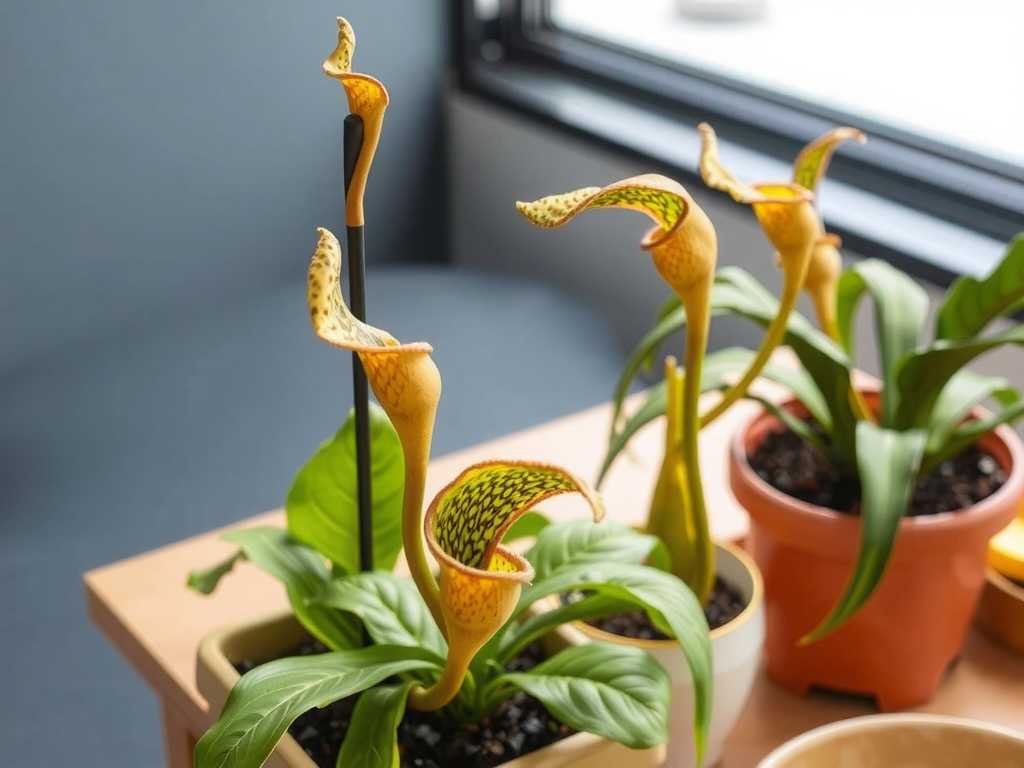
First, let’s ditch the “killer plant” mystique. Think of your Nepenthes as a sophisticated, slow-motion aristocrat with very specific tastes. In the wild, they cling to tree branches (as epiphytes) in dappled, bright light, relying on rain and mist. Their pitchers are elegant traps for supplementing poor soil nutrients. Your office provides none of this naturally. The key to year-round care is replicating these core needs consistently, despite the challenging environment. As noted by the International Carnivorous Plant Society, consistency is more critical than perfection—sudden changes are the real enemy.
My Two-Week Office Nepenthes Rescue Mission
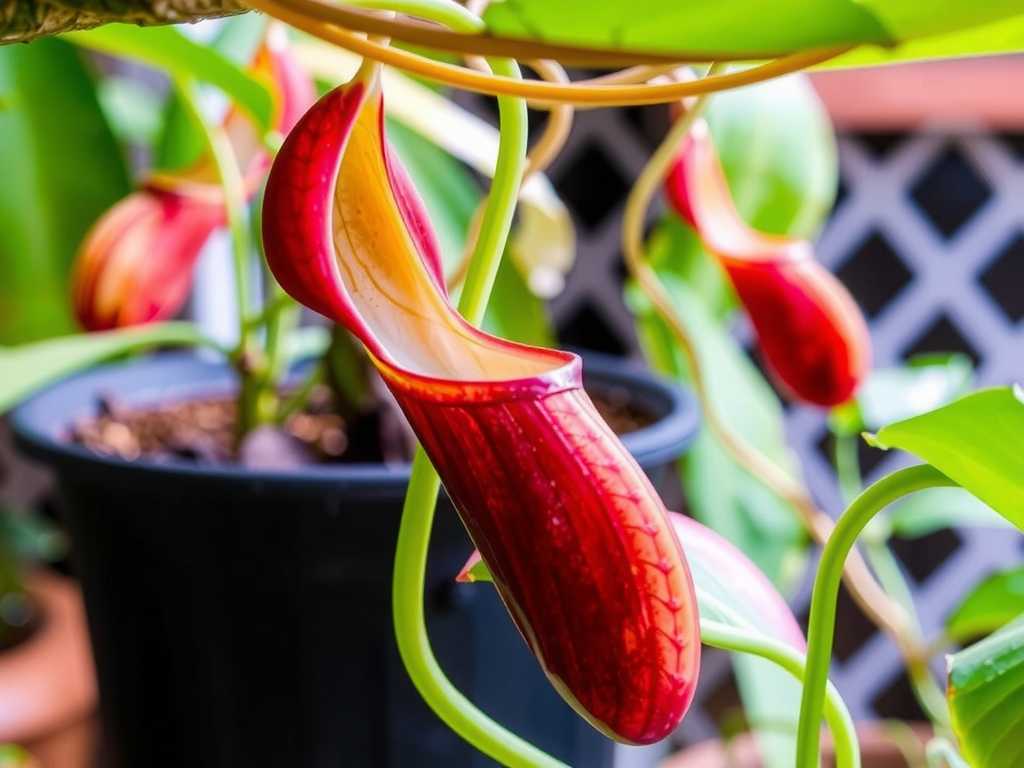
I started with a struggling Nepenthes ventrata, a common and relatively hardy hybrid. It had two small, dry pitchers and no new growth. Here was my step-by-step process.
Week 1: The Foundation Reset
My goal for the first week was to stabilize its basic needs without shocking it further.
Light: Mimicking the Canopy Glow Office fluorescent lights are weak and directional. My plant was on a shelf away from the window, languishing. I moved it to the corner of my desk that received bright, indirect light from a north-east facing window—no direct sun, which can scorch leaves. To supplement this, I installed a simple, low-heat LED grow light panel above it, set on a 12-hour timer from 7 AM to 7 PM. This provided the consistent, bright but diffused “jungle canopy” light it craved. The change was not immediate, but within three days, the deepest green in its leaves seemed to intensify.
Water and Humidity: The Biggest Hurdle This was my first major pitfall. I was watering it with tap water from the office cooler. Big mistake. Minerals and chemicals in tap water (chlorine, fluoride, salts) quickly build up and poison Nepenthes roots. The leaf tips began browning. The fix? I switched exclusively to distilled water, rainwater, or reverse osmosis water. I bought a gallon of distilled water from the grocery store to keep at my desk.
For humidity, the office air was a desert-like 30%. Nepenthes prefer 50% minimum. A pebble tray did little. My solution was a personal, quiet ultrasonic humidifier placed discreetly behind the plant, running on low during work hours. I also grouped it with two other moisture-loving plants (a peace lily and a fern) to create a beneficial microclimate. By Day 5, I noticed the emerging leaf bud looked plumper.
Week 2: Dialing in the Details and Seeing Results
With light and water corrected, I focused on substrate and feeding.
The Right Potting Mix and Pot I discovered my plant was in standard potting soil, which stays too wet and suffocates roots. Over the weekend, I carefully repotted it using a recommended airy mix: a blend of long-fiber sphagnum moss, orchid bark, and perlite. I chose a plastic pot with ample drainage holes and placed it on a shallow saucer. The difference in root health was apparent—the old soil was soggy and dense. This new mix allows oxygen to reach the roots while retaining moisture.
To Feed or Not to Feed? Pitchers are the plant’s food source. My plant wasn’t producing any. Forcing it to digest meat or insects is messy and unnecessary. Experts from the Carnivorous Plant Hub suggest that if light and humidity are correct, pitchers will form naturally. As a gentle boost, I used a highly diluted orchid fertilizer, applying it as a foliar spray once during this two-week period. The primary “food” is correct light for photosynthesis.
The Two-Week Observation: A Turnaround By the end of the second week, the transformation began. The existing leaves lost their yellowish tinge. The once-stalled growth tip was actively extending, with a new, small pitcher beginning to inflate at the end of a tendril. This was the ultimate sign of success—the plant felt stable enough to invest energy in its signature traps. The humidifier and distilled water regimen had stopped the leaf-tip burn. It was working.
Seasonal Adjustments for Year-Round Health
Your office has seasons, too: the dry, overheated winter and the over-air-conditioned summer.
Winter Care: Battling the Dry Heat Radiator heat is brutal. Humidity can plummet below 20%. My humidifier became non-negotiable, running all day. I also made a point to mist the moss around the base (not the leaves directly) with distilled water each morning to give it a morning dew effect. Watering frequency decreased slightly as growth slowed, but I never let the moss dry out completely.
Summer Care: Light and Air Conditioning With longer, brighter days, my grow light timer adjusted to 10 hours to prevent stress. The bigger challenge was the AC blast, which is cold and dry. I moved my plant cluster slightly away from direct air vents. Evaporation is higher in summer, so I checked the soil moisture more frequently, ensuring it stayed consistently damp but never waterlogged.
Common Pitfalls and How I Solved Them
- Pitfall 1: The Crispy Brown Pitcher. I learned that individual pitchers have a lifespan. When one browns and dies, it’s normal. I cut it off to keep things tidy. If all pitchers die, it’s a sign of low humidity or inconsistent watering.
- Pitfall 2: The Leaf Blackening Nightmare. Early on, I got water on the leaves and then they sat under bright light, causing burn spots. Now, I water carefully at the base. If water gets on leaves, I gently blot it.
- Pitfall 3: The Leggy, Stretched Plant. This means not enough light. My initial shelf placement caused this. The LED grow light fixed it, resulting in tighter, more compact growth.
Sustaining Your Office Pitcher Plant
Long-term success is about routine. Every Monday, I fill my distilled water bottle and humidifier. I check the moss for moisture mid-week. Once a month, I wipe dust off the leaves so it can breathe and photosynthesize efficiently. It’s less than five minutes of daily attention for a truly remarkable payoff.
Frequently Asked Questions
Can I use water from the office water cooler? Almost certainly not. Most office coolers and tap water contain dissolved minerals (hard water) that will accumulate and kill your Nepenthes. It is the most common cause of failure. Distilled, rainwater, or reverse osmosis water is mandatory for long-term health.
My plant hasn’t produced a new pitcher in months. What’s wrong? Pitcher production is your plant’s health report card. A lack of pitchers almost always points to insufficient light or humidity. Re-evaluate its placement. Does it get 10+ hours of bright, indirect light? Is the air around it moist? Correct these, and be patient. New pitchers take time to form and inflate.
Do I need to feed it insects? No. This is a common misconception. Pitchers are a supplemental nutrient source. Your plant’s main energy comes from light through photosynthesis. If your care is correct and it produces pitchers, it may catch the occasional office gnat on its own, which is a bonus. Never force-feed it chunks of meat or insects; this can rot the pitcher and harm the plant.
Keeping a Nepenthes in your office is a rewarding challenge that brings a piece of the extraordinary into the everyday. It teaches patience, observation, and the value of creating a consistent environment. By focusing on pure water, elevated humidity, and strong indirect light, you provide the foundation. From there, seasonal tweaks and a simple routine will ensure your carnivorous colleague not only survives but becomes a thriving, pitcher-producing testament to your green thumb, all year long. Start with a hardy hybrid like Nepenthes ventrata, apply these lessons, and watch your desk come alive.





