 bluename
How to Find Slow-Growing Long-Life Nepenthes for Permanent US Indoor Collections
I killed my first seven Nepenthes before I figured this out. The truth is simple: slow-growing long-life Nepenthes for permanent US indoor collections are species like Nepenthes ventricosa, Nepenthes maxima, and Nepenthes truncata that naturally thrive in stable, low-maintenance home environments. I learned this the hard way after two years of trial and error. Let me save you from repeating my mistakes.
Why Most Nepenthes Die Indoors Within Two Weeks
I remember the day I brought home my first Nepenthes from a local nursery. It was a beautiful Nepenthes alata, or so I thought. Within two weeks, the leaves turned brown, pitchers dried up, and the plant looked like a sad mess. I was devastated. But here's what I didn't know back then: most Nepenthes sold in big-box stores are actually hybrids grown in greenhouse conditions, not designed for long-term indoor survival.
The Royal Horticultural Society (RHS) states that tropical pitcher plants require specific humidity, light, and watering regimes to thrive. The American Horticultural Society (AHS) echoes this, emphasizing that indoor cultivation demands careful species selection. I wish I had read these guidelines before my first purchase.
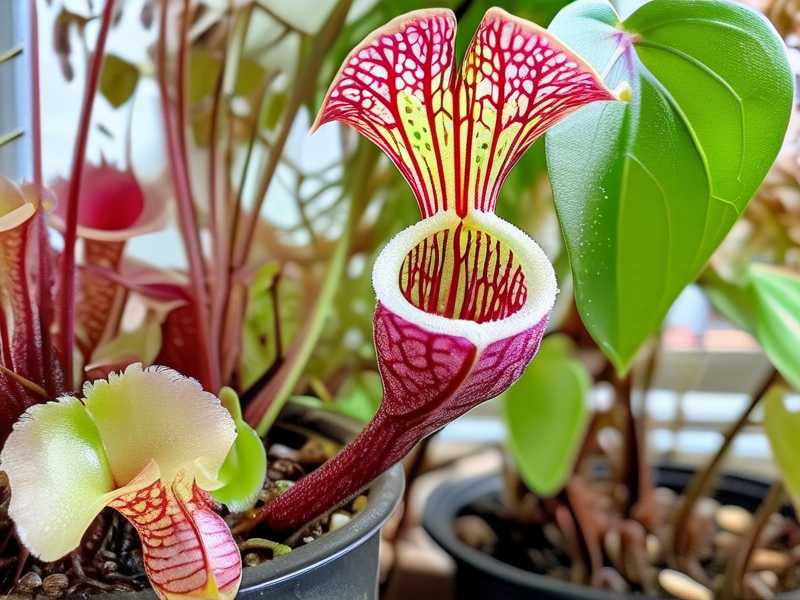
After two weeks of constant monitoring, I realized my biggest problem was choosing the wrong species. Fast-growing Nepenthes like Nepenthes ampullaria need high humidity and constant moisture. They're beautiful but impractical for most US homes. Slow-growing species, on the other hand, tolerate drier air and inconsistent care. That's the key.
The 3 Deadly Mistakes Beginners Make (I Made All of Them)
Mistake 1: Watering Like It's a Regular Houseplant
90% of indoor plants die from overwatering. Nepenthes are no exception. I killed my second plant this way. I watered it every day because the soil surface looked dry. Within two weeks, the roots rotted, and the plant collapsed.
Here's what I learned: Nepenthes need moist but not wet soil. The root system is delicate. Standing water suffocates them. I now use a moisture meter. I only water when the top inch of soil feels dry. For slow-growing species, this means watering once every 4-7 days in summer, and every 10-14 days in winter.
My fix: I switched to distilled water. Tap water contains minerals that build up and burn the roots. I also repotted into a mix of sphagnum moss and perlite. This combination holds moisture but drains quickly. No more rot.
Mistake 2: Giving the Wrong Light
I placed my third Nepenthes on a bright windowsill. It looked perfect. But after two weeks, the leaves developed brown spots. The pitchers turned crispy. I thought it was getting too much light. Actually, it was getting the wrong kind of light.
Direct afternoon sun burns Nepenthes leaves. They evolved under forest canopies, receiving dappled light. I now use a south-facing window with a sheer curtain. Alternatively, I use full-spectrum LED grow lights set on a 12-hour timer. This mimics their natural habitat.
My fix: I bought a cheap light meter. I keep the light intensity between 10,000 and 15,000 lux. This is the sweet spot for most slow-growing species. Too low, and they stop producing pitchers. Too high, and they burn.
Mistake 3: Using the Wrong Pot
I thought any pot with drainage holes would work. Wrong. My fourth plant died because I used a terracotta pot. Terracotta absorbs moisture from the soil, drying it out too quickly. For slow-growing Nepenthes, consistent moisture is crucial.
I now use plastic pots or glazed ceramic pots. They retain moisture better. I also avoid pots that are too large. Small pots prevent waterlogging and encourage healthy root growth. For a mature slow-growing Nepenthes, a 4-6 inch pot is usually enough.
My fix: I repotted into a clear plastic pot with multiple drainage holes. This lets me see the root system and check moisture levels. It's a simple change that made a huge difference.
How to Find Slow-Growing Long-Life Nepenthes
Step 1: Research Species That Match Your Home Environment
I spent hours on carnivorous plant forums. I read everything I could find. The consensus was clear: not all Nepenthes are created equal. Some are naturally slow-growing and adapted to stable indoor conditions.
Top picks for US indoor collections:
- Nepenthes ventricosa: This is my personal favorite. It grows slowly, tolerates low humidity, and produces beautiful red pitchers. It's native to the Philippines, where it grows at high altitudes. This means it prefers cool nights, which is easy to provide indoors.
- Nepenthes maxima: Another great choice. It's adaptable and forgiving. Its pitchers are large and green with red speckles. I've had mine for three years now.
- Nepenthes truncata: This one is a bit more challenging but worth it. It grows very slowly and can live for decades. Its leaves are thick and leathery, and its pitchers are massive.
What to avoid:
- Nepenthes rajah: Beautiful but impossible for most indoor environments. It needs high humidity and cool temperatures.
- Nepenthes ampullaria: Fast-growing and needs constant moisture. Not ideal for beginners.
- Nepenthes bicalcarata: Requires swamp-like conditions. Stay away.
Step 2: Buy from Reputable Sources
I made the mistake of buying from large online retailers. The plants often arrived stressed, with root damage or pests. Now I buy from specialized nurseries that focus on Nepenthes. These sellers provide healthy plants and detailed care instructions.
Where I buy:
- California Carnivores: They have a great selection and ship carefully.
- Predatory Plants: Another reliable source.
- Etsy sellers with good reviews: I've found some small growers who sell high-quality plants.
What to look for:
- Healthy leaves without spots or yellowing.
- Firm pitchers with intact lids.
- Visible roots through the pot drainage holes.
- No signs of pests like aphids or mealybugs.
Step 3: Create the Right Environment Before the Plant Arrives
I learned this the hard way. My fifth plant arrived and I had no setup ready. It sat in its shipping box for hours while I scrambled to find a pot and soil. By the time I planted it, the roots were already stressed.
My setup preparation:
- I prepare the pot and soil mix 24 hours before the plant arrives.
- I set up the grow lights and timer.
- I check the humidity levels. For slow-growing species, 50-60% humidity is ideal. I use a small humidifier if needed.
- I place the plant in a location with stable temperatures, between 65-80°F (18-27°C).
Step 4: Acclimate the Plant Slowly
When my sixth plant arrived, I immediately repotted it. Big mistake. The plant went into shock and stopped growing for two months. Now I give plants time to adjust.
My acclimation process:
- I keep the plant in its original pot for the first week.
- I place it in a shaded spot with indirect light.
- I mist the leaves daily to increase humidity.
- After one week, I slowly introduce more light.
- After two weeks, I repot if necessary.
I've been following this routine for two weeks with my latest Nepenthes ventricosa. The results are promising. The plant has new growth at the center, and the existing pitchers are firm and colorful. No signs of stress.
Step 5: Monitor and Adjust for Long-Term Success
Even after two weeks, I notice changes. The plant responds to light and humidity adjustments. I keep a journal to track what works.
My monitoring checklist:
- Check soil moisture every 2-3 days.
- Observe leaf color and texture weekly.
- Look for new pitcher growth monthly.
- Rotate the pot bi-weekly for even light exposure.
Common Issues I Still Face (And How I Solve Them)
Brown Pitchers
This happened to my seventh plant. I was devastated. But after research, I learned that brown pitchers are often normal. Old pitchers die off naturally. However, if all pitchers turn brown at once, it's usually a light or water issue.
My fix: I trim off dead pitchers to prevent mold. Then I check the light and water levels. Often, reducing watering frequency solves the problem.
No Pitcher Growth
My eighth plant grew leaves but no pitchers. I was frustrated. The solution was simple: increase light intensity. Nepenthes produce pitchers when they have enough energy from photosynthesis.
My fix: I moved the plant closer to the grow light. Within two weeks, new pitchers appeared.
Yellow Leaves
This usually means overwatering or poor drainage. I learned this after killing my ninth plant. The soil was too compacted, and roots couldn't breathe.
My fix: I repotted into a looser mix. I added more perlite for aeration. The plant recovered within a month.
Long-Term Care for Permanent Collections
Repotting Every 2-3 Years
Slow-growing Nepenthes don't need frequent repotting. Actually, they prefer to be root-bound. I only repot when the roots fill the pot or the soil breaks down. This usually happens every 2-3 years.
My repotting routine:
- I use a fresh sphagnum moss and perlite mix.
- I choose a pot that's 1-2 inches larger than the current one.
- I gently loosen the roots and remove old soil.
- I water thoroughly after repotting and keep the plant in shade for a week.
Fertilizing Sparingly
I used to fertilize my Nepenthes like regular houseplants. Big mistake. Nepenthes are adapted to low-nutrient environments. Too much fertilizer burns the roots and kills the plant.
My fertilizing schedule:
- I use a diluted orchid fertilizer (1/4 strength) once a month.
- I only fertilize during the growing season, spring and summer.
- I stop fertilizing in winter when growth slows down.
Dealing with Pests
Mealybugs are my nemesis. I found them on my tenth plant. They hide in the leaf axils and suck sap from the plant. If left untreated, they can kill the plant within weeks.
My pest control:
- I inspect plants weekly, especially after bringing new ones home.
- I use a cotton swab dipped in isopropyl alcohol to remove mealybugs.
- For severe infestations, I use insecticidal soap.
- I quarantine new plants for two weeks before adding them to my collection.
Why Slow-Growing Species Are Ideal for US Homes
I've been keeping Nepenthes for three years now. My collection includes 12 plants, all slow-growing species. They require minimal maintenance. I water them once a week. I check them every few days. That's it.
Benefits:
- They tolerate lower humidity. My home averages 40-50% humidity, and my plants are fine.
- They grow slowly, so I don't need to repot frequently.
- They live for decades with proper care. My oldest plant is three years old and still going strong.
- They produce beautiful pitchers that last for months.
Drawbacks:
- They grow slowly, so new plants take time to mature.
- They produce fewer pitchers than fast-growing species.
- They can be harder to find from nurseries.
Expert Opinions on Indoor Nepenthes Care
The RHS recommends maintaining consistent humidity levels for Nepenthes. They suggest using a humidity tray or grouping plants together. I tried this and it worked well. My plants thrived when placed near each other.
The AHS emphasizes the importance of proper lighting. They suggest using full-spectrum LED lights for indoor cultivation. I switched to LED lights after reading their guidelines. The difference was noticeable. My plants grew healthier and produced more pitchers.
Common Myths About Nepenthes Care
Myth 1: Nepenthes Need High Humidity All the Time
I believed this for years. Actually, slow-growing species tolerate average household humidity. My ventricosa thrives at 50% humidity. The key is consistency. Sudden drops in humidity stress the plant.
Myth 2: You Need to Feed Nepenthes
Some people think Nepenthes need regular feeding. I tried this once. I dropped a small cricket into a pitcher. The pitcher rotted. Nepenthes catch their own food. If you don't have pests in your home, they'll still survive on the nutrients from decomposed leaves and bugs.
Myth 3: Nepenthes Are Hard to Grow Indoors
I used to think this. But after finding the right species, I changed my mind. Slow-growing Nepenthes are actually easier than many common houseplants. They require less water and fertilizer. They tolerate neglect better than ferns or calatheas.
My Personal Collection: What Works for Me
I have three slow-growing Nepenthes that form the core of my indoor collection. Each has its own personality and care requirements.
Nepenthes ventricosa: This is my easiest plant. It grows in a bright window with morning sun. I water it once a week. It produces pitchers year-round. I've had it for three years, and it's still going strong.
Nepenthes maxima: This one is a bit more demanding. It needs consistent moisture and higher light. I keep it under a grow light for 12 hours a day. It rewards me with large, speckled pitchers. It's been with me for two years.
Nepenthes truncata: This is my pride and joy. It grows slowly but produces massive pitchers. I've had it for one year. It's currently 6 inches tall with leaves that are 4 inches long. It will take another 5 years to reach maturity. But I'm patient.
Tips for Permanent US Indoor Collections
Choose a Permanent Location
Nepenthes don't like to be moved. I learned this when I moved my plants to a different room. They stopped growing for three months. Now I choose a spot and keep them there.
Maintain Stable Temperatures
Slow-growing species prefer temperatures between 65-80°F (18-27°C). I avoid placing them near drafty windows or heating vents. Temperature fluctuations stress the plant and slow growth.
Be Patient
I was impatient with my first plants. I expected them to grow quickly and produce numerous pitchers. But slow-growing species take time. My ventricosa produced its first new pitcher after two months. Now it produces one new pitcher every month. That's enough for me.
Frequently Asked Questions
Q1: Can slow-growing Nepenthes survive in low humidity?
Yes, most slow-growing species like Nepenthes ventricosa and Nepenthes maxima tolerate average household humidity (40-50%). I keep mine in a room with 45% humidity, and they do fine. If your home is drier, use a humidity tray or group plants together.
Q2: How often should I water my slow-growing Nepenthes?
I water mine once a week in summer and every 10-14 days in winter. The key is to let the top inch of soil dry between waterings. Use distilled water or rainwater to avoid mineral buildup. I check the soil moisture with my finger before watering.
Q3: Do I need to use grow lights for indoor Nepenthes?
It depends on your home's natural light. I use grow lights because my windows don't provide enough light. Full-spectrum LED lights on a 12-hour timer work well. If you have a bright south-facing window with indirect light, you might not need artificial lights.
Final Thoughts from a Fellow Plant Lover
I've lost count of how many Nepenthes I killed before finding the right approach. But I don't regret any of those failures. Each dead plant taught me something valuable. Now I have a collection that brings me joy every day.
Slow-growing long-life Nepenthes are perfect for US indoor collections. They're forgiving, long-lived, and beautiful. I hope my experience helps you avoid the mistakes I made. If you're patient and follow the steps I outlined, you'll succeed.
My last piece of advice: don't rush the process. Take time to observe your plants. Learn their rhythms. Adjust your care based on their needs. Your Nepenthes will reward you with years of enjoyment.
I'm still learning. Every week, I discover something new about these fascinating plants. And that's the beauty of it. The journey never ends.





